From Curriculum to Connection: Embedding Belonging in the UK’s New National Curriculum

Written by Chloe Watterston
Chloe is an educator, athlete, and advocate for inclusive, curiosity-driven learning, dedicated to creating spaces where every young person feels safe, valued, and empowered. Her work across mainstream and SEND education, community projects, and curriculum reform is driven by a passion for amplifying marginalised voices and breaking down barriers to learning.
When the Department for Education announced a new national curriculum (to be implemented from 2028), headlines focused on oracy, digital literacy, and enrichment. Yet behind every subject reform lies a deeper question: Do our students feel like they belong here?
A sense of belonging – feeling seen, supported, and valued – is the heartbeat of learning. Without it, even the best-designed curriculum risks falling flat. For pupils who are neurodiverse, disabled, or marginalised, belonging isn’t a luxury; it’s the foundation of success.
This guide translates the government’s new framework, which centres on life skills, enrichment, and stronger foundations, into practical actions that put belonging at the centre of every classroom and corridor.
“Belonging isn’t an outcome of curriculum reform — it’s the condition that makes reform work.”
Curriculum Design: From Coverage to Connection
Goal: Build a curriculum that feels relevant, achievable, and identity-affirming for all.
- Audit representation: Ensure diverse identities, including disability and neurodiversity, appear meaningfully across units and texts.
- Chunk and scaffold: Sequence content clearly for learners who need structure; use visual roadmaps and checklists.
- Bridge knowledge with identity: Link new content to students’ own experiences and communities.
- Amplify oracy: Give pupils the language to share their thinking aloud, it builds both confidence and cognition.
Example: Pair Macbeth with The Hunger Games to explore power and morality through different cultural lenses.
Enrichment for All: Making the ‘Core Entitlement’ Inclusive
Goal: Deliver the new national “core enrichment entitlement” – arts, sport, nature, civic life – so that every pupil can take part meaningfully.
- Audit participation and remove barriers (costs, timing, accessibility).
- Offer sensory-friendly, shorter, or flexible versions of activities.
- Provide varied roles – performer, planner, designer – so every learner can contribute.
- Train staff to understand fatigue, sensory needs, and invisible disabilities.
Example: For civic engagement, let students design campaigns or social media projects if public speaking feels overwhelming.
Pedagogy & Climate: Making Belonging the Norm
Goal: Build classrooms that balance structure with humanity.
- Predictable routines reduce anxiety; flexible responses show care.
- Replace “behaviour management” with “community agreements.”
- Display student contributions publicly – belonging must be visible.
- Give feedback as conversation, not correction.
Example: Begin each lesson with a one-minute grounding question like “What’s one thing that made you smile this week?” Small rituals can anchor connection.
Staff Culture: Belonging Starts with Us
Goal: Equip teachers to teach through belonging, not just about it.
- Embed neuroinclusion in CPD: autism, ADHD, chronic illness, not as “issues,” but as perspectives.
- Hold peer reflection sessions: “Whose belonging have we strengthened this term?”
- Celebrate staff who champion inclusion.
- Model belonging in leadership – consistency, curiosity, compassion.
Example: Host a termly “Belonging Showcase” where staff and students co-present examples of inclusive success.
Measuring What Matters
Goal: Track belonging with the same intent as attainment.
- Use quick-pulse surveys: “Do you feel you’re understood here?”
- Cross-reference belonging data with attendance and enrichment participation.
- Form neurodiverse and SEND student panels to co-design improvements.
- Include belonging outcomes in school development plans.
Example: If ADHD students report low belonging, pilot flexible seating or movement breaks — then re-survey to measure impact.
Final Thought
Belonging is not a soft extra, it’s the soil that allows learning to take root.
As we rebuild the national curriculum for the next generation, we can decide what kind of classrooms our students inherit. Will they be systems of delivery, or communities of connection?
With intentional design, the new curriculum can become more than a framework of knowledge. It can be a map towards a society where every young person feels seen, capable, and connected – not just prepared for life, but part of it.

Supporting Neurodivergent Colleagues in Schools

Written by Laura Douglas
Laura is a Freelance 1:1 Study Skills Tutor and Specialist Mentor, working both locally and nationally to support neurodivergent students in receipt of Disabled Student Allowance (DSA) in higher education. Through her Education Consultancy, she supports curriculum development and neuro-inclusive practices, in both school and ITT settings. She is passionate about developing neuro-inclusive practice and in October 2026, she will begin the PhD (Prof) at The University of Lincoln, research focussing on the support given to neurodivergent teachers if this is linked to teacher retention.
Is there a relationship between the number of teachers who leave the profession and neurodivergence? How well supported are neurodivergent colleagues in school? How do we know?
These questions are of interest to me due to my experience of working in initial teacher training (ITT), supporting Early Career Teachers (ECTs), and when working with experienced class teachers and leaders in school. I have found that neurodivergent colleagues, whether formally diagnosed or self-diagnosed, face a range of barriers which impact greatly on their confidence, self-esteem and classroom or leadership practice. I have had many conversations with colleagues about the barriers they face, including a current lack of support and understanding in neuro-inclusive practice. I begin my PhD (Prof) at the University of Lincoln in October 2026 and am looking forward to undertaking research in this important area.
Disabled Student Allowance (DSA)
Since October 2025, I have worked part-time as a freelance 1:1 Study Skills Tutor and Specialist Mentor, supporting neurodivergent students in HEI in receipt of Disabled Student Allowance (DSA). I have supported students during the 2025-6 academic year on ITT programmes and have seen first-hand the difference such mentoring has made to these individuals. In my research I aim to raise the profile of specialist mentoring which is fully funded through DSA, which is available for, but not limited to, undergraduate, postgraduate, ITT and PGCE courses.
Workplace Support
Access to Work is a grant that funds practical support in the workplace for people with a disability or health condition; this grant seems very little known in the education sector. In order to be eligible for an Access to Work grant, there is no requirement to have a formal diagnosis with a condition to apply, with individuals having a disability, illness or health condition that means you need support to do your job. According to GOV.UK (2012), this includes, for example:
- a physical disability, for example if you’re hard of hearing or use a wheelchair
- a learning disability or related condition, for example if you have Down’s syndrome
- a developmental condition, like autism spectrum disorder
- having ADHD or dyslexia
- an illness such as diabetes or epilepsy
- a temporary condition, like a broken leg
- a mental health condition, for example anxiety or depression
Upon finding the grant and reflecting on the enormous number of colleagues in school that this could help, I contacted highly regarded and experienced educators via LinkedIn, including keynote speakers of neurodiversity and an Education Policy Government Advisor – none of these individuals had heard of the grant. This raised many questions, which again has supported my decision to undertake vital research.
Teacher Retention
According to the Department for Education (2024) and recent workforce analyses by City and Guilds (2023 and 2024) approximately 200,000 to 215,000 full-time equivalent (FTE) teachers left the state-funded sector in total over the last five years.
Teachers Leaving the Profession in England
| Academic Year | FTE Leavers (Approx.) | % of Workforce |
| 2023/24 | 40,813 | 9.0% |
| 2022/23 | 43,500 | 9.5% |
| 2021/22 | 43,900 | 9.3% |
| 2020/21 | 36,000 | 8.1% (Pandemic low) |
| 2019/20 | 33,000 | 7.4% (Initial lockdown period) |
| Total (Est.) | ~197,213 | — |
Over 90% of leavers in recent years have cited “non-retirement” reasons for leaving teaching. The most common factors reported in DfE surveys include high workload (84%) and stress/wellbeing (75%) (Maisuria, A., Roberts, N., Long, R. and Danechi, S: 2023).
Approximately 31% to 33% of teachers leave the state-funded sector within five years of qualifying, with an average size of recent qualifying cohorts (which typically range from 23,000 to 28,000 new entrants per year) with roughly 8000 to 9000 teachers from each annual cohort leaving before they reach their sixth year in the classroom. According the most recent studies, this has a cumulative impact, with 40,000 to 45,000 ECTs leaving teaching in the first five years:
| Years After Qualifying | Retention Rate | Estimated % Leaving in that Period |
| 1 Year | ~89.7% | ~10% leave immediately |
| 3 Years | ~76% – 80% | An additional 10-14% leave |
| 5 Years | ~67% – 69% | Another 7-10% leave |
I aim for my research to support an update in national policy to develop clear, systematic training across the education sectors in accessibility for neurodivergent teachers. I aim to develop knowledge and understanding for leaders in schools to understand the difference between reasonable adjustments and adaptations in the workplace, in addition to understanding the support available to neurodivergent teachers. This will, in turn, support teacher retention and support the inclusivity and representation of neurodivergence across the sector.
Bibliography
City & Guilds (2023) Neurodiversity Index Report 2023. [online] Available at: https://77f20764.flowpaper.com/CityandGuildsNeurodiversityIndexReport2023/#page=1 [Accessed 20 June 2026].
City & Guilds (2024). City & Guilds Neurodiversity Index Report 2024. [online] Available at: https://77f20764.flowpaper.com/CityandGuildsNeurodiversityIndexReport2024/#page=1 [Accessed 20 June 2026].
Department for Education (2024). School Workforce in England: report. [online] Available at: https://explore-education-statistics.service.gov.uk/find-statistics/school-workforce-in-england/2024 [Accessed 22 June 2026].
GOV.UK (2012). Get Support in Work If You Have a Disability or Health Condition (Access to Work). [online] GOV.UK. Available at: https://www.gov.uk/access-to-work [Accessed 23 June 2026].
Maisuria, A., Roberts, N., Long, R. and Danechi, S. (2023). Teacher recruitment and retention in England. commonslibrary.parliament.uk. [online] Available at: https://commonslibrary.parliament.uk/research-briefings/cbp-7222/ [Accessed 21 June 2026]
Understanding Why Mattering Matters for Black Teachers: A Qualitative Approach to Understanding Black Teacher Mattering
Written by Tara Elie
Tara Elie teacher, psychologist, lecturer and coach. Tara has diverse experience in education and Learning and Development spanning over decades. She is renowned for her engaging training delivery, both face-to-face and virtually. Her performance background, alongside her passion for supporting individuals and organisations to flourish and thrive, characterise her delivery style. Tara has completed research on Black Teacher Mattering which she is delivering in keynotes. She is passionate about teacher wellbeing and uses the theories of Positive Psychology to inform her work with all clients with a proven record of success. Tara stands for social justice and social change. She appreciates and celebrates the individual, their differing backgrounds, cultures, experiences, perceptions, and values.
In my study, I set out to understand how Black teachers in London experience mattering in their professional lives. Because there is limited UK-based research in this area, I chose a qualitative methodology. My focus was not on measuring experience, but on understanding meaning, interpretation, and lived reality.
I was drawn to qualitative research because it allows for depth and nuance when exploring complex social and psychological experiences (Hill et al., 1997).
It quickly became clear to me that Black teachers’ experiences are not uniform. They are shaped by intersecting factors such as race, gender, school context, and role. A quantitative approach would not capture this complexity, particularly in relation to more subtle or systemic experiences such as microaggressions or colourism (Holt, 1976).
Key Themes
From the analysis, three overarching themes emerged: Representation, Racism, and Reinforcement, supported by ten sub-themes. What stood out most strongly for me throughout the data was a persistent tension between visibility and value.
Many participants described being highly visible as Black teachers, yet not always feeling equally valued or recognised within their professional environments.
Representation
One of the strongest themes for me was representation. Participants often linked their sense of mattering to their visibility as Black teachers in schools and wider society. Many expressed pride in their role and recognised the importance of representation for Black students’ identity, confidence, and aspirations.
Several participants described themselves as role models. This was not framed as symbolic, but as deeply meaningful. They saw their presence as shaping what Black students believed was possible for them, and this gave their work a strong sense of purpose.
Authenticity also came through strongly. Participants described feeling most valued when they could bring their “whole self” to work — including aspects of culture, identity, and communication style. When they felt able to do this, their sense of belonging and mattering increased. When they felt they had to suppress parts of themselves, that sense often diminished.
Voice was another key element. I was particularly struck by how powerful it was when participants felt genuinely heard by leadership. For some, this was a turning point after long periods of feeling overlooked. Being listened to — and seeing that listening lead to action — was often described as affirming their professional worth.
Racism
Racism emerged as the most dominant and consistently experienced theme across all interviews. Participants described a wide spectrum of experiences, from subtle microaggressions to overt racism involving both colleagues and students.
A recurring issue was racialised stereotyping, particularly being labelled “aggressive” when expressing themselves assertively. Many participants described this as “tone policing”, where their professional communication was questioned or reframed in racialised terms. This had a clear impact on confidence and professional freedom.
Workload and expectation also featured strongly. Several participants felt they were expected to work harder than white colleagues to achieve the same recognition. Some linked this directly to inequities in pay, progression, and informal responsibility within schools.
Access to leadership was another key issue. Participants often felt that promotion pathways were less accessible to them, shaped by informal networks and organisational culture rather than transparent processes.
I was also struck by how often participants described being expected to take responsibility for managing behavioural issues involving Black students. This created tension between professional role expectations and racialised assumptions about identity and expertise.
Overall, racism was consistently described as undermining mattering by reducing fairness, recognition, and belonging.
Reinforcement
Alongside these challenges, participants also described powerful sources of reinforcement that strengthened their sense of mattering.
Recognition from colleagues and senior leaders was highly valued, especially when it was specific, sincere, and linked to professional contribution. In some cases, formal recognition such as pay progression was experienced as particularly meaningful, especially when explicitly connected to expertise and impact. However, what stood out most for me was the strength of student relationships.
Nearly every participant described deeply affirming experiences with pupils, including gratitude, affection, admiration, and long-term appreciation. These moments were often emotionally significant and acted as a powerful reminder of purpose.
Parents and carers also contributed to this sense of reinforcement, particularly when they actively expressed appreciation or sought out individual teachers because of their impact.
What I found particularly striking was how reinforcement and racism often coexisted. Participants could feel deeply valued in one context (for example, by students) while simultaneously feeling devalued in another (for example, by institutional structures). This created a complex and sometimes contradictory experience of mattering.
Overall, what emerged for me from this research is that mattering for Black teachers in London is not stable or uniform. It is something constantly shaped through the interaction of representation, racism, and reinforcement.
While representation and relationships can strongly enhance feelings of value and purpose, these are often disrupted by systemic and interpersonal racism that undermines fairness, recognition, and belonging.
Mattering, in this sense, is not simply about being present in schools. It is about whether Black teachers feel seen, heard, valued, and able to exist authentically within the profession they serve.
Mental Health or Mental Illness? Why Silence Speaks in Teaching

Written by Katja Pavlona
Katja Pavlovna is a teacher in alternative provision and has previously taught in specialist SEMH and prison settings. She runs the lived experience mental illness project Lives Not Labels and is co-author of the book Sorry My Mental Illness Isn't Sexy Enough For You.
There is often – rightly – a lot of talk in education about teacher wellbeing and mental health. Burnout, stress, anxiety and depression are sadly commonplace within our profession. However, something we hear far less about is teacher mental illness.
I was diagnosed with Borderline Personality Disorder (BPD, or to give it its newer name, Emotionally Unstable Personality Disorder, or EUPD) in 2021. Whilst the diagnosis was both a blessing (I knew what was wrong with me) and a curse (it’s incurable, although it can go into remission and be managed), I knew deep down that there was something else going on that BPD couldn’t quite explain. That’s how I ended up with a second diagnosis in 2023 of Schizotypal Personality Disorder (STPD). Managing two different, yet serious, mental conditions is something of a challenge in itself, let alone with the added complication of working full time in a career known for the risks it poses to mental health. So, how on earth do I do it? Truth be told, it’s hard.
Whilst mental health might be a hot topic in education, mental illness certainly is not. Whilst colleagues might join in with me for a moan about how exhausted I am, I can’t imagine them having much to contribute were I to discuss my propensity towards magical thinking, odd interpretations of events, finding hidden meanings in everyday things and my visual, gustatory and olfactory illusions, which are all part of my STPD.
I am extremely fortunate to be able to manage my disorders independently, and am generally classed as low support needs- that is, I function in society as anyone ‘normal’ would, predominantly by masking my symptoms and mirroring those around me. Whilst this does have obvious advantages, it does come with some fairly significant drawbacks too.
As someone who has very high expectations of myself and prides myself on being resourceful, diligent and practically-minded, it’s fair to say that I’m seen as good- even great- at my job. How could that ever be a negative?
The problem is that because my illnesses are well managed, it’s very hard for people to conceptualise that I am actually unwell. I mask so much that my disorders are basically invisible, so it’s very easy to assume they’re not there at all. People assume I’m fine, so when things start to slip, I’m judged harshly for not being able to perform in the same way I could when I was ‘fine’.
A few years ago, I had to take some time off work. I’d been wrongly taken off all of my antipsychotic medication, which led to my psychotic-like STPD symptoms returning. Fairly obviously, I couldn’t teach in that time and was signed off. I was already stressed and anxious- work keeps me stable and grounded and I rarely take time off, so being stuck at home with no interaction or purpose was causing me to deteriorate, quickly. I was then accidentally copied into an email complaining about my absence, which only added to my feelings of guilt. I was having to plan cover lessons around psychotic episodes and hospital trips, but when I returned after two weeks when my medication was reinstated and I was cleared by Occupational Health to return, I was still subjected to snide comments about how much time I’d had off due to the culture of presenteeism. People knew I had a serious mental illness, but it was still hurtful to realise I was seen as a liability.
The thing about mental illness is that everyone claims to be fine with it, until you start showing symptoms. This is, I think, especially true for a personality disorder. I am covered under the Equality Act 2010 for both BPD and STPD, but these are often seen less as a disability and more as a conscious attempt to manipulate. I clearly recall once, whilst temping, being asked to leave the classroom after requesting time off for a psychiatric appointment. Management then interrogated the pupils as to whether they felt safe in the classroom with me. Luckily this incident was dealt with, but I’ll never forget how it made me feel to know they clearly thought I must be dangerous.
The practical side of managing a mental illness in teaching is also difficult. Attending appointments during the school day can be tricky. After I was diagnosed with an eating disorder which arose as a coping mechanism for my personality disorders, I was offered specific treatment (DBT therapy), but this was a two hour session every week for 20 weeks in a neighbouring city. At the time I was teaching in an SEMH school who were extremely understanding and rejigged my timetable to allow me to attend. I suspect many schools wouldn’t be able to be that generous.
Reasonable adjustments can be hard to navigate too. Because of my fears of contamination with food due to the STPD, one of my adjustments is to bring my own lunch to work rather than eat from the canteen. Whilst you wouldn’t think this was likely to be an issue, in one school I worked at, a senior member of staff continuously ‘reminded’ me that teachers had to eat the same food as the pupils as it set a bad example. They weren’t the kind of person I could confide in, so I ended up eating alone in my classroom.
The fact is, my mental illness is always in the back of my mind. I constantly fear another ‘episode’, although I know realistically as long as I’m looking after myself, it’s unlikely. But still I lie awake at night worrying. I am the main earner in my household. If I can’t work, we would stand to lose everything. That’s an enormous pressure to have on my shoulders. Over the course of my career, I have met several teachers with BPD in the schools I’ve worked at. As far as I am aware, I am the only one still in the profession. It’s tough.
It’s not all negative, though. My disorders have given me resilience, creativity and compassion towards others. Some of the more challenging aspects of my disorders- such as BPD impulsivity- I can channel in healthier ways through teaching. I am self-aware enough to pre-empt when symptoms may occur and manage them, and I draw on appropriate support as and when needed. Pattern recognition has been vital in helping me to be proactive in managing my disorders. I love my job, so I’m committed to doing whatever it takes to make sure I can remain in it.
It’s also been an unexpected asset in some of the settings I’ve worked in, most notably alternative provision, prison and PRUs. In recent years I’ve worked with pupils with personality disorder or conduct disorder diagnoses, and it has helped me to better understand their inner experience. I could never share my own diagnoses with them, though. The stigma around personality disorders is so intense that to do so could potentially jeopardise my career.
A few years ago I spoke to a national newspaper about my lived experience project, Lives Not Labels (www.livesnotlabels.com) and received some hateful messages from people who took issue with the fact the article mentioned my career. I was accused of being abusive, manipulative and too unstable to work with children, told I was probably only in education to make false allegations about parents to social services to have their children removed, and threatened that if they knew what school I worked at, they’d destroy my career as people like me are a danger to children, including my own. To see such attitudes on display so plainly was incredibly confronting.
In October of last year, my book Sorry My Mental Illness Isn’t Sexy Enough For You was published which detailed some of the challenges I’ve faced as a teacher with serious mental illness. Although I’ve become gradually more confident in speaking out about my experiences, for many working in education with mental illness, there is too much at stake for them to be able to do the same. It’s clear that strides forward have been made in the realms of teacher mental health, but for those of us with mental illness, resources and understanding are sorely lacking.
Here is the link to my book: https://www.amazon.co.uk/gp/aw/d/1805010670/ref=tmm_pap_swatch_0?ie=UTF8&dib_tag=se&dib=eyJ2IjoiMSJ9.eMN7CSJN8yAXZ5LF9EtaQQ.UXJCGah2s3DoEkFTDqRf2TfZOyzEcavIn2mhgstUTXI&qid=1781934392&sr=8-1
How do we Measure Diversity, Equity, Inclusion, and Belonging (DEIB) in Schools?
Written by Hannah Wilson
Founder and Director of the Belonging Effect (formerly Diverse Educators).
Creating a truly inclusive school community goes beyond celebrating differences – it requires intentional measurement, reflection, and action. Schools that commit to Diversity, Equity, Inclusion, and Belonging (DEIB) understand that “what gets measured, gets improved.” But how can educators and leaders effectively measure something as complex and human-centreed as belonging or equity?
- Define What DEIB Means in Your Context
Before measurement comes meaning. Every school community is unique, and so are its DEIB priorities. Start by engaging key stakeholders – students, families, teachers, and staff – to define what diversity, equity, inclusion, and belonging mean in your context.
- Diversity: Who is represented in your community?
- Equity: Do all students have access to the resources they need to succeed?
- Inclusion: Do all voices feel heard and valued?
- Belonging: Do individuals feel safe, accepted, and connected to the community?
Establishing shared definitions ensures everyone understands what you’re trying to measure and why it matters.
- Use Quantitative Data to Identify Gaps
Numbers tell part of the story. Collect and analyse demographic and performance data to identify patterns of inequity or exclusion.
Consider tracking by identity group:
- Student admissions and retention
- Staff recruitment, progression and attrition demographics
- Student attendance, behaviour and engagement
- Staff development and leadership opportunities
- Student progression rates
- Staff community involvement
- Student extra-curricular involvement
Use data disaggregated by subgroups to uncover disparities that may not be visible in overall averages.
- Gather Qualitative Insights to Understand Lived Experiences
Numbers reveal patterns; stories reveal impact. Use surveys, interviews, and focus groups to explore how students and staff actually experience school life.
Example methods:
- Climate and belonging surveys: Ask how safe, respected, and supported individuals feel.
- Student voice circles: Provide structured opportunities for students to discuss inclusion and school culture.
- Teacher and family feedback sessions: Capture multiple perspectives on equity and access.
Look for patterns in experiences – especially among groups historically underrepresented or marginalised.
- Evaluate Curriculum and Practices
A key dimension of DEIB lies in what students learn and how they learn it.
Audit your:
- Curriculum materials: Are diverse identities, histories, and voices represented authentically?
- Disciplinary policies: Are they applied equitably across student groups?
- Teaching practices: Do pedagogical methods support multiple learning styles and perspectives?
- Professional development: Are staff supported in building cultural competence and equity awareness?
- Measure Belonging Intentionally
Belonging can be the hardest – and most crucial – aspect to measure. It is about emotional connection and psychological safety.
You can measure belonging through:
- Belonging scales in climate surveys
- Social network mapping (e.g. how connected students feel to peers and teachers)
- Observation protocols (e.g. participation patterns, classroom inclusion)
Ask questions such as:
- “Do you feel accepted for who you are at school?”
- “Do you have at least one safe adult you trust at school?”
- “Do you see yourself reflected in what you learn?”
- Turn Data Into Action
Measurement is only meaningful if it drives change. After analysing results, share findings transparently with your community and co-create improvement goals.
For example:
- If certain groups feel less belonging, launch an intervention like student mentoring.
- If data show disparities in discipline, review policies and provide staff training on restorative practices.
- If representation is lacking in the curriculum, form a review committee to expand perspectives.
Progress should be tracked over time, with regular opportunities to celebrate growth and identify new challenges.
- Commit to Continuous Improvement
DEIB measurement is not a one-time audit – it is a continuous process of listening, learning, and leading with empathy. As your community evolves, so will your understanding of what inclusion and belonging mean.
By pairing data with dialogue, schools can create environments where every student and educator feels seen, valued, and empowered to thrive.
Key Takeaway
Measuring DEIB in schools is not about checking a box – it is about cultivating awareness, accountability, and action. When schools combine data with authentic voices, they build the foundation for equity and belonging that benefits every learner.
What Families of Neurodivergent Students Want Teachers to Know

Written by Tessa Dodson
Tessa Dodson is an education writer passionate about supporting teachers and fostering inclusive classroom environments. She specializes in covering classroom resources, educational trends, teacher wellness, and practical strategies to help educators succeed.
There is often a gap between what schools think neurodivergent students and their families need and what they actually need. Neurodivergence refers to differences in how the brain processes information and includes common conditions such as ADHD, dyslexia, autism spectrum disorder and dyspraxia. Neurodivergent children may have different day-to-day experiences at school depending on how their needs are met and understood.
While most schools may focus on formal plans and processes, parents and guardians tend to prioritise everyday understanding and clear communication. Here are some of the things that families want teachers to know and what they feel will most impact their neurodivergent child in school.
Seeing the Child Beyond the Label
Parents and carers want teachers to see neurodivergent children as individuals, rather than defining them by a diagnosis. Estimates suggest that one in seven students is neurodivergent, highlighting how common neurodivergent diagnoses are within the school population.
While diagnostic labels provide a good starting point to understand a child better, they can only describe certain traits. They don’t offer the full picture of a child’s school experience. For instance, two pupils with the same condition may have entirely different sensory profiles, communication styles and emotional needs. For this reason, educators need to remain curious and adapt their teaching methods based on ongoing observation rather than fixed assumptions.
Prioritising Acceptance
Families would want educators to go beyond awareness of a child’s condition and focus on accepting and supporting them as they are, including adjusting the environment to help them succeed. This approach often produces positive outcomes. For example, an autism centre that advocates this acceptance-based approach reports that 98% of parents observed an improvement in their child’s ability to start conversations with others.
Communicating Clearly
Families often emphasise regular, straightforward communication. Small, meaningful updates about daily experiences often matter more than formal review points. When communication is consistent across staff and settings, children are more likely to feel secure and understand expectations. Mixed messages, on the other hand, can create uncertainty and make school feel less predictable for neurodivergent learners.
Individualised education programs (IEPs) involve structured meetings that bring parents and educators together to formally map out a child’s individual support needs and learning goals. IEP meetings are a good example of how schools and families can work collaboratively to create more consistent and supportive learning environments for neurodivergent children.
Understanding Behaviour as Communication
Families understand that behaviour is often a form of communication rather than simple compliance or disruption. When a neurodivergent child becomes overwhelmed, withdrawn or reactive, there is usually an unmet need driving that response. What seems like erratic behaviour from a child with autism, for example, may reflect sensory overload or anxiety.
According to the Department for Education, 166,041 students in England are autistic, with over 70% attending mainstream schools. These figures highlight that many teachers are working with autistic pupils every day, often in classroom settings where they may encounter difficult behavioural responses linked to unmet sensory or emotional needs.
In these situations, approaches that explore the cause of behaviour, rather than focusing solely on managing the outward response, are often more effective and respectful of the child’s experience.
Providing Flexible and Responsive Support
Effective support is rarely one-size-fits-all. Adjustments that work well for one child may not suit another, even when their diagnosis is similar. What families value most is educators’ ability to adapt support in real time, depending on how the child is managing on a given day. Rather than relying on preplanned strategies, using responsive approaches for teaching neurodivergent students allows educators to recognise and meet children’s changing needs more effectively.
Creating Safe Environments for Learning
Guiding and teaching neurodivergent students successfully involves creating environments where children feel safe, understood, and supported in everyday classroom situations. Sensory needs, predictable routines and thoughtful transitions can all make a meaningful difference. For example, offering a neurodivergent child a quiet place to calm down when things get too noisy or overwhelming can help them ease back into learning.
The Right Kind of Support
What families of neurodivergent students consistently ask for is not more complexity, but greater clarity, responsiveness and understanding in school. When teachers combine professional expertise with attentiveness to lived experience, children are more likely to feel supported and able to access learning in meaningful ways.
Can We Teach That? RSE 2026 and LGBT+ Inclusive Education in Primary School

Written by Jack Lynch
Jack Lynch (they/them) is a writer, educator, and DEI specialist. As Co-Director and Workshops & Training Lead at Pop’n’Olly, they work with schools, educators, parents, and organisations across the UK to create more inclusive environments. Jack has delivered training to thousands of professionals and authored widely used resources that support good practice in diversity, equity, and inclusion in education.
“What can and can’t we teach about LGBTQ+ lives under this new RSE guidance?”
With the new Relationships and Sex Education (RSE) Guidance 2026 set to come into force in England from September, this has been one of the most common questions I’m asked when working with primary school leaders and educators, at the moment.
In our conversations with schools and educators, I am hearing two clear messages. Firstly, the language and messaging of the RSE guidance around LGBTQ+ inclusion is deeply concerning and that, alongside other consultations and revisions of legislation, it’s providing less clarity, more questions, and increased fear and division. Secondly, it’s making educators want to work even harder to ensure that every child feels like they belong.
With LGBTQ+ bullying significantly increasing and the mental wellbeing of LGBTQ+ young people at some of its lowest levels, I am working even harder to empower schools to continue to remain inclusive and show every child that they belong. After spending months scouring the legislation and working with our legal team at Pop’n’Olly to understand what the legislation does and does not say, I can say with absolute confidence that LGBTQ+ inclusive education is very possible under RSE 2026.
LGBTQ+ inclusive education at primary level is broader than simply teaching about LGBTQ+ identities. It’s about teaching children that families can look different but that all families are characterised by love and care. It’s about teaching children that we aren’t limited to speaking, behaving or dressing in certain ways because of our gender and, finally, teaching children that there are many different ways to be human. So let me break this down a little further.
Family and Relationship Diversity
This guidance calls specifically for schools to recognise that “families of many forms provide a nurturing environment for children, and can include single parent families, same-sex parents, families headed by grandparents, young carers, kinship carers, adoptive parents and foster parents/carers” and that “Teaching should illustrate a wide range of family structures in a positive way, and care should be taken to ensure that children are not stigmatised based on their home circumstances.”
This provides a clear message that teaching about family diversity should be truly representative of all families. This provides a brilliant legislative basis for this work, which is a cornerstone of inclusive education in the lower age groups of primary and is key to making sure that children from non-traditional family structures can see themselves represented. This positive representation at early ages has been shown to significantly increase the mental well-being of all children, providing them with the important messaging that, whatever their family looks like, they belong.
Tackling Stereotyping
The RSE guidance also targets stereotyping, and specifically gender stereotyping, stating that by the end of primary school pupils should know “how stereotypes can be unfair, negative, destructive or lead to bullying and how to challenge a stereotype” as well as saying that schools should “avoid language or activities which repeat or enforce gender stereotypes”.
This focus on challenging negative stereotypes already forms a key part of many schools’ inclusive curricula and is a key element of LGBTQ+ inclusive education, as we know that gender stereotypes often underpin homophobic, biphobic and transphobic bullying. When we teach about diversity, rather than binary gender stereotypes, rates of bullying based on protected characteristics are shown to decrease, which aligns perfectly with schools’ duties under the Equality Act 2010 and Public Sector Equality Duty to ‘eliminate discrimination, advance equality of opportunity and foster good relations between people who share a protected characteristic and those who do not.’
LGBTQ+ Identities
The RSE guidance section on lesbian, gay, bisexual and transgender content is where the majority of the concerns we are hearing from schools lie. The section specifically states that “Pupils should also be taught the facts and the law about biological sex and gender reassignment” and that “schools should be mindful that beyond the facts and the law about biological sex and gender reassignment there is significant debate, and they should be careful not to endorse any particular view or teach it as fact”. Feedback we are hearing from schools, educators and, indeed, parents and families is that the wording here is ambiguous and lacks clarity as well as concerns about how trans and gender non-confirming pupils can be supported and included.
My intention in this article is not to tell schools how to interpret this wording, as that is not my place and every school will approach this differently based on their specific setting. However, what I can say is that at no point is this guidance saying that schools cannot teach that LGBT+ people exist. In fact, the guidance is clear that schools should teach pupils to “recognise that people with the protected characteristic of gender reassignment, as with the other protected characteristics, have protection from discrimination and should be treated with respect and dignity”.
Teaching about LGBTQ+ identities in primary can be done in a range of ways including (but not limited to) having books with positive LGBTQ+ representation, having diverse representation on display boards, not hiding someone’s LGBTQ+ identity when using role models (e.g. Alan Turing in a history lesson) as well as specific lessons that cover what LGBTQ+ means. Teaching about LGBTQ+ should always have a clear learning objective and align with the schools curriculum and values, showing clearly that LGBTQ+ topics are not an ‘add on’ or taught because of any personal agenda but have a clear educational purpose that is aligned with the guidance and legislation.
I want to be clear, the new RSE guidance and surrounding legislation does NOT mean we have to stop teaching about LGBTQ+ lives, it does NOT mean we have to stop supporting LGBTQ+ pupils. What is most important is that schools are clearer than ever before on how and why they are teaching about LGBTQ+ identities: how this aligns with their ethos, values, and educational objectives; how they are interpreting the guidance; and how LGBTQ+ education fits within their wider work on inclusion of other protected characteristics.
For more information on guidance and legislation that relates to LGBT+ education, Pop’n’Olly have recently released a ‘LGBT+ Equality Legislation: Guidance for Schools’ resource which outlines the legislation in England, Wales, Scotland and Northern Ireland. This resource also provides information on what the legislation says about common areas of concern such as religious/belief conflicts and parents’ right to withdraw. You can download this for free at www.popnolly.com/free-resources
Disclaimer: This information is not a substitute for legal advice and is solely intended to support good practice by offering general information on the legal principles relevant to LGBT+ education in schools. It is the responsibility of schools to know their own legal responsibilities and independent advice should be sought where necessary.
AI in Education: Promise, Peril, and the Diversity Question We Cannot Afford to Ignore

Written by Betty Johnson
Betty Johnson is Director of Rinnovate Recruitment & Consultancy and founder of B3Inspire, a women's empowerment coaching brand. She is a School Improvement Partner, AI in Education advocate, and contributor to an upcoming Routledge publication exploring AI and primary school leadership.
Artificial intelligence is reshaping classrooms at speed. But if we are not careful, we risk automating the very inequalities we have spent decades trying to dismantle.
There is a moment I return to often. I was sitting with a group of teachers in South London, brilliant and committed educators, watching them use an AI writing assistant for the first time. The excitement was palpable. Then one teacher paused and asked quietly: “But does it know our children?”
That question has stayed with me. Because behind it lies the central challenge of our time in education: how do we harness the extraordinary power of artificial intelligence while ensuring it serves every child? Not just the ones whose experiences, languages and cultures it was trained on.
The promise is real
Let us start with what AI can genuinely do. Adaptive learning platforms can tailor content, pacing and assessment to individual learners in ways that even the most devoted teacher simply cannot replicate in real time when managing a class of thirty. Intelligent tutoring systems can offer immediate, personalised feedback. For students with SEND, for English as an Additional Language learners, and for children in under-resourced schools, this is not a trivial benefit. It is potentially transformative.
Research published in AI and Ethics (Fitas et al., 2025) confirms that AI can meaningfully support special needs provision and address language barriers, provided it is deployed thoughtfully and with equity at the centre of design.
The peril we are not talking about loudly enough
Here is the uncomfortable truth. AI systems learn from data. And the data that exists in the world reflects the world as it has been, not as it should be. When a model is trained predominantly on content that centres Western, English-speaking, middle-class experience, it does not arrive at the classroom as a neutral tool. It arrives carrying biases.
Research published in the International Journal of Artificial Intelligence in Education (Baker & Hawn, 2022) found that algorithmic bias in educational AI can produce systematically unfair outcomes across assessment and instruction, disproportionately affecting the very students who most need support. A 2025 review in Frontiers in Education confirmed that unchecked AI models can continue to amplify underlying social and cultural biases, impacting equity and fairness in both assessment and instruction.
“The environment the machine operates in is social in nature. It functions within the socio-technical system that encompasses the cultural values and beliefs of the people using it.”
Put simply: AI is not neutral. It is a mirror. And if we have not yet built a system that reflects the full richness of our children’s identities, we should not be surprised when the mirror distorts.
The digital divide: a growing fault line
There is a second, more immediate danger. Access to AI tools is not equally distributed. Schools in disadvantaged communities face significant challenges in investing in technology and establishing fair access policies. A 2025 study in Frontiers in Education warned explicitly that equitable access to AI tools is crucial to prevent educational inequalities from widening further.
Attainment outcomes continue to vary significantly between ethnic groups in England, with some communities continuing to experience substantial educational disadvantage despite decades of policy attention and intervention. Education Policy Institute data indicates that Gypsy, Roma and Traveller pupils experience some of the largest attainment gaps in England, equivalent to approximately 30 months of learning behind their peers by the end of secondary school. Meanwhile, Universities UK continues to report degree awarding gaps between White students and several minority ethnic groups across higher education.
If AI becomes the new frontier of educational provision and some children cannot access it, or access a version of it that does not truly see them, we will not close those gaps. We will cement them.
What can we actually do? Seven practical steps
- Ask the equity question first.
Before deploying any AI tool in your school, ask who it was trained on. Ask who it serves well and who it might underserve. Demand transparency from providers about their training data and bias testing. This is not a technical question. It is a values question.
- Use AI to reduce teacher workload, not to replace teacher relationship.
The most powerful protective factor for disadvantaged students is a trusted adult who knows them. Use AI to free up that time, for planning, marking and administration, so teachers can invest more of themselves in the human connections that matter most.
- Curate and contextualise AI outputs.
Do not present AI-generated content as given. Teach children and staff to interrogate it. Whose perspective is missing? What has been assumed? This is media literacy for the AI age and it is a diversity lesson in itself.
- Pair AI with inclusive curriculum design.
AI is a tool, not a curriculum. Ensure that what children are doing with AI reflects a genuinely diverse and representative body of knowledge, including authors, histories and contributions from across the global majority.
- Invest in staff training with diversity at the centre.
AI professional development must include bias recognition and culturally responsive pedagogy, not just technical skills. Teachers need to understand not only how to use these tools but when to challenge them.
- Amplify student voice in AI decisions.
Which students are at the table when your school decides how to use AI? If the answer is mainly those who already have power, change the table. Invite your most marginalised students into the conversation. They will see what others miss.
- Advocate beyond your school.
The decisions that shape AI in education are being made at government, policy and corporate levels. Join or create the conversations that push for representative datasets, diverse AI development teams and equity-first regulation. Your voice belongs in those rooms.
A word to women leaders in education
I want to speak directly to the women reading this, particularly those who, like me, came into this profession from communities that have historically been spoken about in education rather than listened to within it.
We are not incidental to this conversation. We are central to it. The research is clear that cultural and social context shapes how AI interacts with learners. We carry that contextual knowledge. We have spent careers navigating systems that were not built with us in mind and we have built extraordinary things within them regardless.
The question is not whether AI will change education. It already is. The question is who gets to shape it. The answer should include every teacher in every underfunded classroom, every headteacher in a school where the children look like the world, and every leader who has ever been the first, the only, or the one they did not expect.
“We do not get a fairer future by accident. We build it, deliberately, strategically and together.”
The next time someone asks whether AI is good or bad for education, resist the binary. The better question is simply this: good or bad for whom? Ask that question consistently and loudly, at every level, and AI in education may yet become the equaliser it promises to be.
References
Baker, R.S. & Hawn, A. (2022). Algorithmic bias in education. International Journal of Artificial Intelligence in Education, 32(4), 1052-1092.
Fitas, R. (2025). Inclusive education with AI: supporting special needs and tackling language barriers. AI and Ethics, 8(2), 115-129.
Education Policy Institute (2024). Annual Report: Ethnicity Gaps.
Universities UK (2019). Black, Asian and Minority Ethnic Student Attainment at UK Universities: Closing the Gap.
Frontiers in Education (2024). Promoting equity and addressing concerns in teaching and learning with artificial intelligence.
Embedding Inclusive Allyship into Critical Friendship

Written by Sarah Vogel
Sarah has been working in development and training since 1989. As a facilitator and coach she has enjoyed successful relationships with clients across a wide variety of sectors. Sarah is currently a trustee at Collaborative Education Trust in Solihull and chairs their People and Culture committee. She has also volunteered at Anawim: Birmingham’s Centre for Women, for 8 years delivering a Confidence Course for vulnerable women.
The role of a critical friend is central to effective governance. Whether serving as a trustee, governor, or board member, we are expected to provide both support and challenge. We build trust and psychological safety while also asking the difficult questions that improve outcomes and strengthen accountability.
But what happens when we combine critical friendship with inclusive allyship?
The result is a more powerful form of governance – one that not only seeks improvement but actively works to ensure that no individual or group is overlooked.
What Is Inclusive Allyship?
Inclusive allyship is the deliberate practice of using your influence to create more equitable outcomes. It requires us to examine our own assumptions, listen to voices that are often underrepresented, and challenge behaviours or systems that may disadvantage others.
Allyship is not about having all the answers. It is about being willing to learn, reflect, and act.
This can involve:
- Recognising our own biases and assumptions.
- Being mindful of language and identity.
- Educating ourselves and staying informed.
- Building relationships with people whose experiences differ from our own.
- Amplifying marginalised voices.
- Challenging inequitable behaviour when we see it.
- Remaining open to feedback, even when it feels uncomfortable.
Inclusive allyship requires courage, curiosity, and a willingness to move beyond our comfort zones.
Why Allyship Matters in Governance
In governance, allyship means intentionally using positional power to ensure that decisions consider a wider range of perspectives and experiences.
Too often, boards focus on overall outcomes without exploring whether those outcomes are experienced equally by different groups. Strong headline results can conceal significant disparities.
Inclusive governance requires us to look deeper.
This means asking questions about:
- Attendance patterns
- Exclusion rates
- SEND outcomes
- Staff progression
- Recruitment practices
- Complaints and concerns
It also means paying attention to boardroom dynamics. Who is contributing to discussions? Whose perspectives are missing? Are assumptions being challenged, or simply accepted?
Inclusive allyship is not separate from good governance- – it strengthens it.
Developing a Curiosity About Disparity
One of the most valuable habits governors and trustees can develop is what I call a disciplined curiosity about disparity.
When we identify differences in outcomes between groups, it is tempting to ask:
“Why are results lower for this group?”
However, that question can unintentionally place responsibility on those experiencing disadvantage.
A more effective approach is to focus on the system itself:
- What might be happening within the system that is producing this gap?
- What evidence do we have?
- Have we heard directly from those affected?
- What perspectives might be missing from our analysis?
These questions move the conversation away from blame and towards understanding.
Three Practical Skills for Inclusive Allyship
- Ask Equity-Focused Questions
When reviewing data, resist the urge to focus solely on overall performance.
Strong results can still mask inequities for specific groups. Looking beneath averages and examining disaggregated data can reveal patterns that would otherwise remain invisible.
The role of a critical friend is not simply to accept the data presented but to explore what it may be hiding.
- Interrupt Bias Using Influence
Bias often appears subtly in discussions and decision-making. As governors and trustees, we have an opportunity to challenge assumptions constructively.
A simple framework can help:
Notice – Identify what you are observing.
“I notice we are talking a lot about behaviour but not about support.”
Name – Gently surface a potential assumption.
“I wonder whether assumptions about certain groups are influencing our discussion.”
Nudge – Move the conversation towards evidence and reflection.
“Could we look at the disaggregated data before reaching a conclusion?”
Small interventions can have a significant impact on the quality of decision-making.
- Use Better Critical Friend Questions
Inclusive governance benefits from asking questions through different lenses.
Equity Lens
- Who benefits most from this decision?
- Who benefits least?
- Who may be disadvantaged?
Impact Lens
- How will we know this works for everyone?
- What would success look like for those most affected?
Curiosity Lens
- What assumptions are we making?
- What evidence supports our view?
- What perspectives are missing?
These questions help boards make more informed and inclusive decisions.
A Governance Responsibility
Inclusive allyship is not about political correctness or compliance. It is about precision.
It is about recognising that averages can conceal inequity. It is about identifying patterns before they become complaints, inspections, or crises. Most importantly, it is about ensuring that the interests of all pupils, staff, and stakeholders are visible within governance discussions.
Strong boards do not wait for problems to emerge. They actively seek evidence, challenge constructively, and make inclusion measurable.
As trustees and governors, we hold influence. Inclusive allyship simply means using that influence deliberately -ensuring that no voice is overlooked and no group becomes invisible in our oversight.
When allyship is embedded into critical friendship, governance becomes more insightful, more effective, and ultimately more equitable.
Beyond The Bookshelf: Creating Change Through Activism
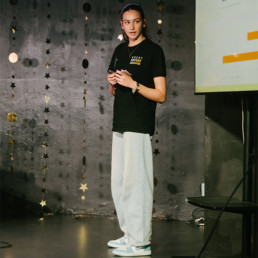
Written by Maria Oprea
Maria Ariana Oprea is a Year 9 student at Caterham High School who wishes to have a future career in Law. She was part of Every Future Foundation 2026, Activism Academy.
When I first joined Activism Academy, I never imagined how much it would change me. I signed up because I cared about making a difference, but I came out with so much more: confidence, new friendships, valuable skills, and the opportunity to create real change in my school community.
My project is called Beyond the Bookshelf. The idea came from the simple question: Does everyone in our school feel represented in our school curriculum? I wanted to make our school curriculum more diverse, starting with the library.
For me, diversity in books is way more than just numbers. It means having authors from different ethnicities, cultures, and backgrounds. It means books with characters that people feel reflected in, whether it’s through experiences or identities. It means exploring stories, histories, and perspectives from around the world so that every student has the opportunity to learn from people who may be different from themselves, while also seeing their own experiences reflected in what they read. It also means helping others develop the same genuine love for reading that I found myself having from a very young age.
Through surveys, research, book sales, and presentations, I gathered the views of students and explored ways our library could become more inclusive. Seeing other students engage with the idea and recognising that their opinions mattered was one of the most rewarding parts of the project. It showed me that positive change can begin with listening, understanding different perspectives, and taking action. No matter how young you are, or how small the change may seem at first, every positive action has the potential to make a real difference.
One of the biggest things I learned is that activism does not always have to be loud or dramatic. Sometimes it starts with asking questions, listening to others, and finding practical ways to improve something that matters. Through Beyond the Bookshelf, I discovered that small changes can have a lasting impact.
I am incredibly grateful to Activism Academy and my amazing mentor, Hannah Wilson, for giving me this opportunity and supporting me every step of the way. This has helped me grow as a person, develop confidence in my voice, and understand that I can help shape the world around me. Most importantly, it showed me that when people come together with a shared purpose, positive change is possible.
Beyond the Bookshelf started off as a project about books, but it became a journey of learning, friendship, and empowerment – and one that I will always be proud of and grateful for.