
Maximising Connection During Maternity Leave
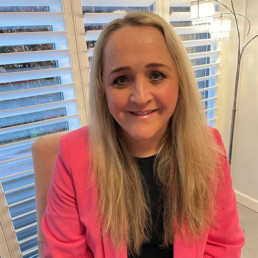
Written by Liz Cartledge
Senior Vice Principal at a large Secondary School in Sheffield. Leader of Inclusion, Behaviour and Designated Safeguarding Lead. Liz is the mother to twin girls and returned from maternity leave in September 2020.
As a leader, the constant care of students and staff is arguably the most important and biggest responsibility in the long list of daily tasks. Getting the balance right and knowing what to do in each unique case can be hard.
It is true that we learn through our mistakes, however, sometimes it is helpful to be able to reach for some real-life guidance. Sometimes the hardest of experiences can make us the strongest. I personally experienced a lonely and isolating maternity leave due to the COVID-19 pandemic and lockdown in 2020 and thus feel I can offer some useful insights and support to schools who want to ensure their staff on maternity leave are cared for.
Since returning to work, I have often been asked to support other newly pregnant staff and on occasion those off with long-term absence. I feel empowered to help staff and one key reason I cite for this is because I feel confident sharing my own personal struggles and vulnerabilities, which I encountered on the journey to motherhood. Through Nourished Collective who featured a series called Mother, Sister, Daughter, Woman (Copy of This is How We Look (mcusercontent.com)), I shared my story which has helped me to break the silence that can exist around this issue. This has helped me personally and professionally to become a stronger leader.
The key is to build a school where staff feel valued, heard, and listened to. Sharing my story has given me the drive to know I can provide others with the space and empathy they need. It doesn’t matter what the issue is, if we, as leaders, are open about our emotions it can mean we are relatable to others; so I urge you to be vulnerable and see the benefits from it.
Recently, I have been considering the support we provide our staff with whilst on maternity leave. During my maternity leave I experienced reduced support, no baby groups and limited access to a GP. Maternity leave can be incredibly lonely and isolating. Connection is therefore key, and schools can provide this.
Within any school there is an abundance of knowledge and talent. Schools can offer emotional sanctuary and security. New parents/carers should be encouraged to share photos and updates regularly with a key member of staff. Furthermore, if you have a few members of the team off at once, could a group (perhaps via WhatsApp or equivalent) be set-up pulling all together?
I am often asked to be the key person identified to talk to new or soon to be new parents/carers. Currently, I am in regular contact with new Mums on maternity leave to provide them with a close connection with school. This helps us keep in touch and is a lifeline on some days for those Mums. I know this having cared for twin babies during a pandemic!
Do you offer this 1:1 support for those on maternity leave? Do staff have the chance to have 1:1 chats with a named ‘go to’ person on SLT? Could this help morale and well-being at your school if you make these subtle changes?
What kind and frequency of contact do you have with those on maternity leave? They are, after all, still employed by the school doing what is arguably the most important job of their lives. We owe it to them.
Remember, as leaders we can make a huge difference. Simple acts of kindness go a long way, sending cards or flowers can help bridge the gap that can grow when on leave. Creating a sense of family first is vital for staff retention.
Occasionally, without bridging this gap, we can risk staff being anxious to return or not returning at all.
Another key step to helping staff on maternity leave is to give them knowledge. By making them aware of the policy, for example what KIT (Keeping in Touch) days is a great start. It should not just exist in a policy given to staff to read. This could become part of pre-recorded videos shared with staff or information passed on in a 1:1 meeting before they leave. The impact of doing this is that it helps staff to be empowered and feel supported at this important time.
When staff do return, make sure they have the chance to meet a key person they feel comfortable with and that well-being chats are regularly put in. A review meeting 6 months or sooner after returning is a must to help the member of staff feel supported and to be able to reflect on how they are coping with work alongside parenthood.
Remember, it takes time for the member of staff to adjust to work. Schools move at a fast pace, and we must be patient. Small steps are acceptable. Don’t be too hard on yourself if you are returning and don’t expect too much if you have someone returning, at first- be flexible! Personally, it took me 12+ months to be myself again at work. Letting staff know this is great for their self-confidence and self-esteem which can be very low with sleep deprivation!
Celebrating the return of staff from maternity leave is important to share with all staff in briefings, in newsletters with parents/carers and with governors. It helps everyone see the member of staff returning as a new person which I feel is supportive and celebratory of their achievement/s!
The more we share, the greater the understanding will be for all and the greater the potential for empathy can begin.

The Need for Equity in Education for Those Trying to Conceive

Written by Caroline Biddle
Consultant, fertility coach and fertility advocate. Founder of Fertility Issues in Teaching.
The journey to parenthood isn’t always straightforward, with assisted conception being a route for many couples and individuals.
1 in 6 people in the UK are infertile, and in the last 10 years there has been an increase in women in same sex relationships looking to assisted conception for support to grow their families, as well a significant rise in those deciding to head down the route of fertility treatment to become a solo parent.
Female employees need time out of work to access fertility treatment
Male infertility accounts for 50% of infertility, nevertheless it’s women who require the time out of work to attend clinic appointments for scans and surgery.
The Teachers’ Fertility Treatment Survey is the first ever survey of its kind, gathering data from female teachers (including those who have left education) that have accessed assisted conception in the past 10 years. Data collected from the survey will provide an accurate insight of what is happening in schools in England and Wales as we unearth:
- How career progression of these women has been affected
- The percentage of schools that have fertility policies in place
- The impact of the support and the lack of support on female staff accessing assisted conception
- The wellbeing of staff members receiving fertility treatment
Employees can be surprised to learn that assisted conception in most school HR policies is referred to as ‘elective treatment’, meaning they find themselves compared with someone who wishes to have a breast enhancement during term time.
Categorising fertility treatment as elective is outdated.
The word ‘elective’ implies that fertility treatment is a lifestyle choice. This is discriminative terminology towards those with the disease of infertility and also to those in same sex relationships and who need assisted conception to have a biological child, or women who require treatment to become a solo parent for reasons such as having no partner, or having recently come out of a long term relationship.
Why we need assisted conception policies in the workplace
We need assisted conception policies in every workplace. In schools this policy will ensure that all teachers who are trying to conceive, no matter what their circumstance, are included, protected and supported.
Thousands of teachers are leaving the teaching profession every year, due to burn out or a change in personal circumstance. Some of these teachers leave education due to a dip in ambition following a lack of support following fertility treatment.
How to make policy inclusive and equitable for all employees
When writing your fertility workplace policy consider the following to avoid discrimination:
- Use non-gender specific language
- Allow partners (or those supporting someone who has no partner) to attend all fertility appointments.
- Be cautious not to discriminate against relationship status
- Be mindful of the sexual orientation of colleagues when writing a workplace fertility policy
- Be inclusive of the ages of those opting into assisted conception
- Avoid putting a limit on time off per cycle, everyone will need a different amount of time dependent on their personal circumstances—no two fertility journeys are the same
Life beyond the policy
A workplace fertility policy is a great starting point for schools wishing to be supportive of their staff who’re trying to conceive. There is however still work to be done from here.
To find out about the work Fertility Issues in Teaching offer, you can get in touch through the website, where you’ll also find helpful blog posts and information around free upcoming webinars.
HR’s Role in Encouraging Diversity

Written by Paul Holcroft
Paul Holcroft is the Managing Director at Croner.
Despite the UK being known for championing cultural and social diversity, it’s not always present in the business world.
HR departments and managers alike are legally bound to protect their employees from inequality and injustice. Yet more than a third (36%) of UK employees have experienced workplace discrimination and harassment.
Businesses should aim to promote a working environment that’s fair, diverse, and inclusive. Which increases both employee morale and business reputation.
Learn why diversity and inclusion is important, laws for applying equality, and how HR departments can help encourage workplace diversity.
What is workplace diversity?
Workplace diversity is about understanding and accepting employees from different backgrounds and values. It’s so much more than ticking ‘diversity boxes’.
HR departments must ensure their hiring procedures and policies don’t discourage people from applying due to potential prejudice or discrimination.
Having a workplace that promotes equality and diversity helps develop a culture of inclusion. Where all mindsets and talents can work cohesively with one other.
Why is diversity in the workplace important?
HR departments must legally comply with equality laws which protect their staff from ill-treatment. The principles of diversity and equality come under the nine protected characteristics, outlined in the Equality Act (2010). These are protections for:
- Age, disability, gender, marital status, pregnancy, race, religion, gender reassignment, and sexual orientation.
Hiring from a diverse pool allows employers to tap into an array of skills, backgrounds, and experiences. Individual thinking and creative exploration can accelerate economic advancement and business success.
What are the laws on workplace diversity?
Under equality and diversity laws, employers are obligated to protect their employees from workplace discrimination, harassment, and victimisation. These laws include:
- The Equality Act (2010).
- The Human Rights Act (1998).
There’s more to it than simple legal obligation. Without tackling inequality and prejudice, employees will feel unmotivated and unvalued. They could decide on quitting their jobs, or even raising discrimination claims to employment tribunals.
Either of them can lead to costly impacts on your business. You could face negative effects to your business reputation. Not to mention coughing up legal fees for compensation payment and court attendance.
How HR can encourage workplace diversity
In recent times, socio-economic values have helped grow a level playing-field for people from all walks of life. We arguably haven’t reached the optimum point yet; however, we’ve come a long way historically.
HR departments are efficiently positioned for introducing diversity to the workplace. Through training programs and HR advice for employers, building a diverse workforce is achievable within any type of company.
Here are a few steps businesses can take to encourage workplace diversity and inclusion:
Widen the talent pool boundaries
It falls on the HR department, in any business, to deal with onboarding and hiring. Looking for candidates with suitable skills and talents is normally done through recruitment pools.
But if these pools only have one type of worker, you’re denying your business so many accolades. It’s for your own benefit to utilise the recruitment process entirely.
Hiring candidates from diverse backgrounds can improve overall business balance. But be weary not to only employ them for the wrong reasons. It’s futile to look like an inclusive business aesthetically. Be sure to hire diverse candidates for fair and just reasons.
Encourage diversity on all work levels
Employing one diverse employee doesn’t mean your business stands as inclusive. A fake front like this will always crumble in the end, leading to impacts to your brand-name and productivity.
Rather than pretending, set targets of reaching employee satisfaction on all levels. And we mean all levels; not just in lower-position jobs, but as mentors and leaders.
Establish a fully-fledged pledge for diversity through equal opportunities in promotions, positions, and training.
Creating an inclusive environment
It falls on HR and managers to create a safe and comfortable working environment. But actively building a workplace that champions inclusion and diversity will grow benefits beyond imagination.
A workplace should home an atmosphere where collaboration, respect, and support for all can increase productivity and involvement.
Creating an inclusive environment is a key responsibility for HR departments. Beyond solving allegations and disputes, they need to ensure all staff members feel included and protected.
Set the precedence for diversifying businesses
On an everyday basis, employees may be at ease with workplace diversity. But it’s always worth providing information, guidance, and policies on encouraging diversity, equality, and inclusion.
Standing as a company that portrays workplace diversity will set your brand above and beyond others – internally, and on a global scale.
Establishing diversity, equality, and inclusion within your company will ultimately lead to business success – now, and in the near future.
Our Pregnancy and Maternity Toolkit for Schools

Written by Emma Sheppard
Emma founded The MTPT Project, the UK's charity for parent teachers, in 2016 when on maternity leave with her first child. She has 12 years experience as an English teacher, Lead Practitioner and ITT Lead, and now runs The MTPT Project full time.
The research, legal practice and variety of experiences surrounding the protected characteristic of pregnancy and maternity is rich and diverse, but perhaps because it does not (often) include our students in the way other protected characteristics do, resources specific to the education sector are hard to come by. We do not, for example, talk about diversifying our curriculum to include more stories of pregnancy and motherhood. We don’t talk about ensuring that our workforce includes pregnant role models for our students. We don’t organise student voice groups discussing how pregnancy and maternity affect pupils’ day to day school lives.
Provision for pregnancy and maternity as a protected characteristic is almost always in relation to staff members within our schools, nurseries and colleges. And it’s a fairly important demographic: the majority of teachers are women who may become pregnant at some point; half our workforce are parents to children under the age of 18, and 3.4% of teachers (around 11,500) go on maternity leave each year – that’s an average of two per school. But isn’t the experience of being a parent and a teacher the remit of our HR managers, rather than colleagues, middle and senior leaders?
Given the large number of parents in our teacher workforce, the protected characteristic of pregnancy and maternity – and the many years of family life that will follow – is an area about which leaders should be familiar and informed if they are keen to create positive working environments. As in any other industries, failing to understand and therefore meet the needs of our pregnant and mother team members leads to staff attrition, negative school cultures, and a motherhood penalty in the form of a gender pay gap, gender disparity in school leadership and discriminatory cultures that we present to our students as the reality that they will inherit.
The DiverseEd Pregnancy and Maternity Toolkit is an evolution of the research, resources, networks and articles that supported the establishment of The MTPT Project – the UK’s only charity for parent teachers. It provides the reports, blogs and contacts that The MTPT Project community return to again and again to inform their work and empower their community. When you start exploring, you’ll realise what a rabbit hole we have tempted you to fall into: 25 pages of an ASCL Maternity and Adoption Leave guide; ways to support breastfeeding teachers as they return to work; the experience of undergoing fertility treatment as a teacher; the ins and outs of shared parental leave; how to avoid direct and indirect discrimination… At first you may be overwhelmed by what you didn’t know you didn’t know…!
Don’t be put off: start with the needs of the colleagues in your school – whether they be expectant mothers, fathers or non-binary parents, undergoing fertility treatment, returning to work, completing professional development on leave. Use the DiverseEd toolkit to open up dialogue and get everyone feeling excited about how enjoyable making this next step in your personal and professional lives will be – learning to support, and be empowered, by your pregnant, expectant and parent colleagues.
Want to do more to support your colleagues? Contact The MTPT Project about our schools’ membership so that the experts can guide you through the relevant documents, and how to implement impactful practice in your school.
Implementing Effective Flexible Working Practices Training for School Leaders

Written by Mandy Coalter
Mandy is the founder of Talent Architects, helping schools be great places to work. She is a published author and was named as one of the Top 10 most influential HR people. She is the former Director of People at United Learning.
Want to better promote inclusive working practices?
Getting more flexible working requests?
Wondering how to retain talent?
Want to enhance your ability to advise on new ways of working, how to adapt, as well as promoting staff wellbeing through flexible working practices?
Our sessions could be for you
The road to a flexible and agile workforce is more important now than ever before, especially in schools. Expanding opportunities for flexible working will be particularly important post-pandemic, where remote and hybrid working have become widespread in some sectors. Creating more scope for flexibility is possible in all roles in a school, promoting a better work-life balance, supporting the diversity and inclusion agenda and addressing the recruitment and retention issues in the sector. Join Timewise, the flexible working experts, and their panellists in a series of webinars, Q&As and drop-in clinics to learn more about what a proactive, whole-school approach is about, starting in October:
Webinar for Heads: Tuesday 05 October at 10am (90 minutes)
Register here https://bit.ly/3jR2pMk
Webinar for School Business Professionals/HR: Wednesday 06 October at 10am (90 minutes)
Register https://bit.ly/2Uc4hXp
Webinar for Governors & Trustees: Tuesday 12 October at 2pm (60 minutes)
Register here https://bit.ly/2VPlc2b
The Important Role of the DEI Leader in Our Schools

Written by Hannah Wilson
Founder and Director of the Belonging Effect (formerly Diverse Educators).
In the wake of George Floyd’s murder last summer many people from my network started disclosing that they were feeling compromised – they had been approached to lead DEI in their context, but they knew it was because of their lived experience ie they identify as belonging to one of protected characteristic groups.
Each person shared how they felt the burden of responsibility but also that they were acutely aware of the visibility and the vulnerability of this position. Moreover, most of them had been asked to take on this role for free (ie for love and for passion). They were not being offered additional time, additional training nor additional money.
We created a DM group that soon filled up on Twitter so we created a 2nd one – nearly 100 people who are leaning into leading DEI work in their schools, colleges and trusts. It is notable that the vast majority of these individuals were assigned female at birth and identify as being women. Many have an intersectional identity and are women of colour, women of faith, women who are LGBTIA+ and women who are parents/ carers. An important factor to consider as we bang our drum about asking people to do this work (ie burden and additional load) for free.
In response, Angie Browne and I developed the DEI Leaders Programme to support each individual on their journey to combat the fear, to address the isolation and to create a safe space to explore the vulnerability of this important work. We have both led this work on our own career journeys and navigated the systemic, structural and societal barriers that come with the territory. We have stories to share and war wounds to lick, but we can also share how we shaped our strategies and illustrate the impact we had and the legacy we created.
In addition to the programme, through the #DiverseEd network I created a space each half-term for DEI leaders who are not formally working with us through the programme to come together informally to form a DEI Leaders Network as an opportunity to connect, to collaborate, to peer support and to share the learning. We are also planning an annual DEI Leaders conference to share best practice and deepen knowledge and understanding in June.
I have also begun to collate a recruitment pack of DEI leaders job descriptions, person specifications and adverts so that each individual can negotiate the framing of their role in their school/ trust. The title of the role is up for debate and varies from setting to setting. I share in my training sessions that a trend I have observed in my cross-sector LinkedIn network is that in corporate settings mande D&I/ EDI leads are now being called Head of Belonging. I love this reframe and personally think that the education sector should adopt it too.
It has been heartening to see a flurry of tweets in the last few months of people from our network and from our programme being formally appointed and properly remunerated for this role in our schools. Congratulations to those who have successfully been appointed and those who have negotiated a defined role. This is still the minority but there is a glimmer of hope that organisations are recognising the need for a defined role and remit for whoever is leading DEI.
Our provocation to the school system:
Would we ask a SENCO or a DSL to strategically lead their whole school responsibility without framing their role, giving them additional time, adequately resourcing their area (budget for books/ training) and elevating their sphere of influence to at the very least associate senior leadership?
For all of the schools leaning into DEI work we encourage you to review your infrastructure. The DSL and SENCO do not carry the burden of all of the safeguarding and all of the SEN work on their shoulders – they have a team of people they can distribute the load across, but moreover the collective responsibility of the whole staff team is expected. We believe that DEI needs to be framed in the same way.
We would not ask an adult who had been vulnerable to lead safeguarding based on their lived experience nor an adult with an additional need to lead SENCO without the framing, the training, the support and the accountability around them, once they had been identified as the most appropriate person to lead this work and fulfil the responsibilities of the role. So we should not be approaching the staff of colour, the staff who are LGBTQIA+ to do this work, simply because of their identity, and moreover we should not be asking them to do it without a formal process to identify they are the person who is best-positioned to lead this work, and thereby appointing them, announcing them and appropriately remunerating them.
The role of the DEI Leader in our schools is an important one as it embodies our commitment to this work, it elevates the status of the strategy, it creates visibility in the school of diverse role models, it amplifies the voices of diverse stakeholder groups and it centres belonging in the culture, the curriculum, the policies and the practices throughout the school.
So we need to be very careful that through our DEI strategies we are intentionally dismantling barriers instead of further perpetuating the glass ceilings, the concrete ceilings, the glass cliffs and the pay gaps that already exist in the school system. Formally appointing and remunerating the people leading this work is a great place to start as our schools continue on their journeys to unlearn and relearn why and how representation matters.
“I’m in hospital Liz.”

Written by Liz Wright
Elizabeth Wright FRSA is an editor, consultant, speaker, and activist. She brings forth all of her life experience to challenge people around disability, diversity, and inclusion.
I gulped at the message. It was from Jade, my graphic designer for Conscious Being and we were a week out from releasing issue 2. As a magazine editor, as a writer, as a speaker and consultant, I am so used to working to deadlines that my first thought was how are we going to get this issue out on time.
For years now I have been jumping to so many other people’s tunes, to doing everything possible to reach the needs of the client, without actually looking at and addressing my own needs. I am a disabled woman and live everyday with the effects of this identity. Tiredness from PMS, experiences of ableism, and using more energy than a non-disabled person to move my limb different body, is my reality every day, every month. Like a yoyo, my energy levels are unpredictable; my muscle pain is unpredictable. Everything I do, by default, is slower than someone with two hands and two legs. And yet, for years, I would push on, trying to keep up with my non-disabled peers.
In the past year I have decided that enough is enough when it comes to stretching my lovely body beyond its limits – all to please others who don’t know the actual lived experience of my impairment. Boundaries have been key to finding that sweet spot. Placing boundaries around my time and energy levels means that I am finding it a lot easier to say no to people and to stand up for myself in demanding that my needs be met too. The difference in myself has been astounding – I am more productive when working because I have had the rest that I need, I am more joyful, and dare I say it, interesting, because I actually make time to go places and see people. Life has blossomed as it hasn’t done in a very long time.
My activism has gone to the next level too – I am proud of my limb different body and what it has done for me and what I know it will do for me in the future. It has taught me many lessons and given me deep knowledge about the flaws in society and how we have to have structural and cultural change around work and success. My physical and mental fatigue wasn’t because of my impairment, it was because of the undue pressure that society puts on us to be productive and to ignore our very basic human needs to rest and relax.
When I started the magazine Conscious Being, a magazine by and for disabled women and non-binary people, I knew that I only wanted to hire other disabled creatives who deserved a platform and a space of their own. With as fair and equitable pay for these creatives as I could afford. I also knew that I wanted the core editorial and creative teams to feel that their health and wellbeing took precedence over anything else. I never wanted anyone to feel that they couldn’t tell me when they weren’t well and when they needed rest and a day off. I wanted Conscious Being to reflect the core of what I had learnt about taking care of myself – that when we look after and prioritise ourselves and our needs, that is when we can meet the needs of others in a beautiful and empathetic way.
Jade was in hospital and she wasn’t sure how long she would be in there for. As much as a slight panic hit my core first, that residual fear of not meeting deadlines, I knew that Jade’s health and wellbeing was more important than any release date of a magazine. And as Jade’s boss I told her so. I took hold of the reins, I assured her that we would work with her timings and that she had to just focus on recovery now. At the end of the day, disabled or not, we are only human, not machines. And as much as the world we live in would like you to believe that we don’t have a choice, unless your job deals in life and death situations, we can choose to push back deadlines, say no to things, and demand that our needs be met.
Issue 2 of Conscious Being came out on the 7th of September. A week late, but a much better magazine for it. The way the team pulled together and rallied around Jade was inspired. And the end result has been a happier and healthier graphic designer and a magazine and team that we can all be proud of.
—
We would like to thank Diverse Ed for being a sponsor of Conscious Being Magazine – the magazine by and for disabled women and non-binary people. If you would like to be a sponsor in the next issue please reach out to Editor-in-Chief Liz Wright at – liz@consciousbeingmagazine.com
You can grab your copy of issue 2 here – Conscious Being Magazine
#DiverseEd’s Top 10 Blogs of 2020-21

Written by Belonging Effect
Belonging Effect is committed to shaping intention into impact and supporting people with their Diversity, Equity, Inclusion, & Belonging strategy and training needs.
We love to amplify the voices, share the journeys, and celebrate the stories of our community. Our blogs vary from sharing lived experience, to reflecting on classroom practice and curriculum design, to evaluating the impact of policy changes. We published 150 blogs from our network last academic year. You can meet our bloggers here and you can review our collection here.
Deepening our thinking around DEI starts with who and what we are reading, helping us to develop our confidence and our competence, both individually and collectively. Reading the blogs by our community provokes reflection and stimulates conversations to help us all understand the breadth and the depth of issues we need to develop an awareness of.
Themes explored in the 2020-21 blog collection include: allyship, belonging, careers, coaching, commitment, community, curriculum, culture, governance, HR, identity, ITTE, language, leadership, policy, recruitment, reflection, representation, research, safeguarding, strategy, teaching, wellbeing.
Here are our Top 10 Most-Read #DiverseEd Blogs in the 2020-21 academic year:
- How do we deal with racism in the classroom – Hannah Wilson
- How to promote an anti-racist culture in social work – Wayne Reid
- Interactive diversity calendar 2021 – Carly Hind/ Dual Frequency
- How does material deprivation intersect with ethnicity to understand the variations in the achievement among BAME students – Nicole Edwards
- Don’t tuck in your labels – Bennie Kara
- Dear Secretary of State – Hannah Wilson
- Gender is wibbly wobbly and timey wimey and gloriously so – Matthew Savage
- Engaging with diversity – giving pupils a voice – Gaurav Dubay
- Black lives matter, then now always – Wayne Reid
- Breaking the cycle anti-racist plan term 1 – Dwain Brandy
Thank you to everyone who has contributed to our #DiverseEd date and please do get in touch if you would like us to publish you. You can find out more about how to submit here.
Menopause in Education - The Impact on the Teaching Profession

Written by Sharon MacArthur
Owner of Red Handbag. She works internationally with leaders in business, helping them to develop their leadership confidence though more effective communication strategies.
According to recent government figures, three quarters of teachers are women, so why is support for those in the profession who are going through the menopause glaringly lacking?
The average age that a woman reaches menopause is 51, but symptoms can start much earlier. Women over 50 are also the fastest growing workplace demographic and many women working in education are in senior leadership positions by this stage in their careers.
While all women go through menopause, some will have a more difficult time of it because of the nature of their job role. Teaching is no exception.
How will a female teacher suffering from menopause-related anxiety cope in such a physically and mentally-demanding school, college, or university environment?
How will menopause-related fatigue and problems concentrating fare against dealing with problem pupils, excessive workloads, and strict deadlines?
What about heavy and unpredictable periods? Hot flushes? What if you can’t just up and leave the classroom if you need to?
Some women’s menopause symptoms are so severe that they either need time off from work or questions get asked about their capability to do their job.
Sadly, support from managers, even female ones, is often not forthcoming.
The result is many wonderful educators feel they have no choice but to leave their role, which is very sad, considering that getting there is the culmination of a lifetime’s work for many women in the profession.
Can the teaching profession afford to lose such highly-skilled and valuable teaching talent? That’s what could happen if schools, colleges, and universities don’t become more menopause friendly.
What can be done to better support female educators who are going through menopause?
There’s no getting away from it, teaching is a physically, mentally, and emotionally demanding job at the best of times, so when it comes to menopause, we can’t just sweep it under the rug.
When I deliver menopause training to an organisation, I always make a point of saying that menopause should be business as usual. While there are some really positive signs that it’s being talked about more openly, it’s still a bit of a workplace taboo.
Women are still suffering in silence, and considering leaving their jobs, which is bad news for a profession like teaching which struggles to recruit and retain talented staff.
So what can be done?
- The first step is talk about it. Raise awareness about menopause, bust the myths, and make it everybody’s business. The goal should be to create a menopause friendly workplace where women feel comfortable talking about how it’s affecting them and where they are able to ask for advice and support.
- If your workplace doesn’t have a comprehensive menopause policy, put one in place that will meet the needs of women going through menopause as well as providing straightforward guidance for their line managers.
- Speaking of policies, make sure your sickness absence monitoring policies and arrangements don’t lead to the detrimental treatment of women who need time off for menopause-related reasons. Similarly, bear this in mind where absence and a symptom-related decline in performance can affect things like pay progression.
- Improve awareness of menopause across all levels of the workforce, particularly at leadership level.
- Make reasonable adjustments to support women going through menopause.
Some reasonable adjustments your organisation could and should make:
- Allowing toilet breaks during lessons where necessary.
- Providing sanitary products in staff toilets.
- Providing a place to shower and change if necessary.
- Considering flexible working requests such as reducing hours or allowing some work to be done from home to help women manage their symptoms.
- Providing access to cold water and allowing employees to control the temperature of their working environment if possible.
Menopause in the national curriculum
The government has added menopause as a topic to be covered on the sex education curriculum in secondary schools. Surely schools that are menopause aware and menopause friendly will be better placed to give pupils a broader and more enlightened view of the topic?
And it all needs to begin with how they support their own staff.
My mission
Raising awareness about the menopause among people and employers is all about education and making it comfortable and acceptable for people to speak about it. Menopause is not a condition to be treated and cured, it’s a normal stage of life that every woman goes through. Helping people to realise this is my mission.
My training events are aimed at educating HR professionals, managers, and workers about the menopause in a fun, engaging, and informative way.
If you’d like to find out more, contact me at sharon@missmenopause.co.uk
You can also join my Facebook group or my Facebook and Twitter campaign
Understanding and Challenging Microaggressions

Written by Nasreen D'Agostino
Youth Education Officer, EqualiTeach
“You Don’t LOOK Like You’re Gay!”: Understanding and Challenging Microaggressions.
Although the term ‘microaggressions’ has been around for some time, it is emerging more regularly in conversations as people increase their efforts to engage in discussions surrounding bias and privilege as a result of movements such as Black Lives Matter. Therefore, it seems more pertinent than ever to understand what this word really means and the harm that microaggressions can cause.
What is a Microaggression?
The term “microaggression” has been defined by Columbia professor Dr Sue to refer to,
“brief and commonplace daily verbal, behavioural, or environmental indignities, whether intentional or unintentional, that communicate hostile, derogatory, or negative racial slights and insults toward people of color.” (Sue DW, et al., (2007).
In other words, microaggressions are remarks, questions and actions which are based on assumptions about marginalised groups. Microaggressions can be based on many aspects of someone’s identity, including gender, age, sexual orientation, disability, religion and race. They can be masked as compliments but are often laced with negative undertones. They can be experienced at work, school, whilst shopping, receiving health care and even at the dinner table among family members. Microaggressions can ignite feelings of alienation, hurt and frustration in those who experience them because they are so frequently and casually deployed.
Microaggressions can be packaged in such a subtle way that they can be seen as innocuous, and dismissed as less harmful than more overt acts of prejudice. However, microaggressions are founded upon a the very same set of generalisations and assumptions that underpin overt acts. For example, saying to someone ‘you don’t look like you’re gay!’ is linked to assumptions about Lesbian, gay and bisexual people and an idea that there is only one ‘set way’ of being gay. People who express microaggressions are not necessarily doing so with bad intent, but that is not a get out of jail free card. It is important to accept that microaggressions are harmful, to interrogate underlying biases and to explore how they can influence attitudes and behaviours towards marginalised groups or individuals.
What are some common microaggressions that people face?
Let’s look at five common microaggressions and examine the assumptions and stereotypes they perpetuate, and what could be said instead:
1/ To a disabled person: “I think you’re so inspiring!”
🗶 This can be patronising. Disabled people do not need to be uplifted, validated or given constant reassurances.
✔ Say nothing! Treat disabled people with the same dignity and respect you would treat non-disabled people and that is all that’s needed.
2/ To people of colour: “Where are you actually from?”
🗶 This can seem like an innocent question but when consistently asked to people of colour it is a constant reminder that you are not accepted as being really British by your white counterparts. This can make people feel othered and as though they do not belong.
✔ People may wish to share their heritage at a time that is appropriate and when they feel comfortable to do so. Everyone has a history and family background to share, so consider who is being asked the question and why it’s being asked.
3/ To someone with a ‘foreign’ name: “Don’t you have a nickname, I’m never going to remember that”
🗶 This is extremely damaging, especially when directed at young people. Since so much of our identity is wrapped up in our names, having this stripped away is extremely hurtful.
✔ Always take the time to learn how to pronounce new names. Write names down phonetically if you are finding a name particularly hard to remember or pronounce.
4/ To a female colleague: “You look so young!”
🗶 Not only can this undermine your colleague’s authority, but it also assumes that the most desirable characteristics a woman can have are those linked to her appearance, rather than those linked to her skills and character – in a professional setting this is particularly damaging.
✔ It is fine to compliment someone’s skills or ideas but refrain from commenting on looks as this is very personal.
5/ To people of colour: “You’re really articulate!”
🗶 This comment implies that most people of colour are not articulate, well-spoken or educated.
✔ It is fine to compliment someone’s skills or ideas but commenting on the way someone speaks is unnecessary.
What are the harms of microaggressions?
Some who are sceptical of the validity of microaggressions claim that it is just people being ‘too sensitive’. However, research has shown that microaggressions, ‘although seemingly small and sometimes innocent offenses, can take a real psychological toll on the mental health of their recipients.’ (Harris, 2015). Microaggressions can make environments seem hostile, thus affecting performance and wellbeing.
They can make people feel:
- Frustrated
- Drained
- Uncomfortable
- ‘Othered’
- Alone
- Angry
- Lesser
- Demoralised
- Unwelcome
- Patronised
No matter how seemingly confident or self-assured someone might be, being subjected to constant assumptions and put downs based on your identity is going to take its toll.
How can I stop expressing microaggressions?
Since microaggressions are expressions of deeply held bias which people can often be blind to, it requires a willingness to reflect and engage to unearth them. With greater understanding and awareness of these biases, people can choose not to act on them. Here are some tips for thwarting microaggressions:
i) Be constantly aware of your biases and scrutinise them. This requires internal reflection and honest conversations with yourself which might make you feel uncomfortable at first.
ii) Stop and think before you comment on an aspect of someone’s identity. Bear in mind that microaggressions are often unnecessary comments which can be easily avoided as they serve no real purpose in conversation.
iii) Don’t say or do things based on assumptions or bias. If you think that your comment or action may perpetuate a stereotype about a certain group of people, then do not act upon this impulse.
iv) Listen and be open if someone calls out your use of a microaggression. A commitment to unlearning microaggressions is a journey, not an overnight process, therefore demonstrating a willingness to increase your understanding and knowledge will benefit you in the long run.
What should I do if I experience or witness microaggressions?
- Ask for clarification as to what was meant –Asking for clarification can help someone to go on their own journey and consider the underlying assumptions and messages in their question, comment or action.
- Share the impact of what has been said/done – help someone to recognise the perspective of the target and the detrimental impact of what has taken place.
- Share your learning – we are all on a journey, speaking to someone about how you have previously got things wrong and the learning that you have undertaken can make the challenge less confrontational and support someone on their own learning journey.
The battle against microaggressions can be extremely draining for the target of incidents. Therefore, it is everybody’s duty to challenge inappropriate comments and behaviours, to reduce that burden, create environments where there are no bystanders and where everyone feels safe, included and supported.
EqualiTeach offer staff training (delivered online via Zoom) on equality, diversity and inclusion, including covering topics such as microaggressions, unconscious bias and privilege. Find out more here or get in touch.
Bibliography:
Sue DW, et al., (2007), Racial microaggressions in everyday life: implications for clinical practice, Abstract).
Harris, (2015), Vox.com, ‘What exactly is a microaggression?’ https://www.vox.com/2015/2/16/8031073/what-are-microaggressions
Kendi, I (2019) How to be an Antiracist. London: Penguin Random House.
Williams, T (2019) Psychology Today: Responding to Microaggressions: Safety First. https://www.psychologytoday.com/us/blog/culturally-speaking/201909/responding-microaggressions-safety-first
Wood, J and Harris, F (2020) Diverse Education: How to Respond to Racial Microaggressions When They Occur. https://diverseeducation.com/article/176397/