
Understanding the Experiences of Black Teachers in London: Why Mattering Matters
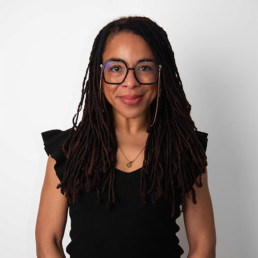
Written by Tara Elie
Tara Elie teacher, psychologist, lecturer and coach. Tara has diverse experience in education and Learning and Development spanning over decades. She is renowned for her engaging training delivery, both face-to-face and virtually. Her performance background, alongside her passion for supporting individuals and organisations to flourish and thrive, characterise her delivery style. Tara has completed research on Black Teacher Mattering which she is delivering in keynotes. She is passionate about teacher wellbeing and uses the theories of Positive Psychology to inform her work with all clients with a proven record of success. Tara stands for social justice and social change. She appreciates and celebrates the individual, their differing backgrounds, cultures, experiences, perceptions, and values.
Introduction
Understanding the experiences of Black teachers is essential if we are serious about improving well-being, retention, and professional fulfilment in education. Conversations about diversity in schools often focus on pupils, yet far less attention has been given to the psychological experiences of teachers themselves. One concept that offers a powerful lens for exploring this is mattering – the sense that we are valued and that what we contribute has value.
Psychologist Morris Rosenberg (1985) described mattering as an individual’s belief that they are important to others and able to make a meaningful contribution. When applied to the experiences of Black teachers in London, this idea moves the conversation beyond statistics and into the lived realities of belonging, recognition, and professional identity. Understanding whether teachers feel that they matter – to colleagues, to leaders, and to the wider system – may help explain why some remain in the profession while others leave.
Why Representation Still Matters
The relative scarcity of Black teachers makes this question particularly important. Representation in education is not only about fairness in employment; it also has wider implications for students, schools, and communities. The Black Teachers in London report, commissioned by London Mayor Ken Livingstone, highlighted a clear relationship between the success of Black teachers and positive outcomes for Black pupils. In some London boroughs, nearly half of pupils were Black, yet only a small proportion of teachers shared that heritage. Increasing diversity across all levels of education – from classroom teachers to leadership and governance – was identified as essential for improving representation, aspiration, and achievement.
However, addressing the shortage of Black teachers requires more than recruitment initiatives. It requires a deeper understanding of how teachers experience their professional lives, how valued they feel, and whether they believe their presence makes a difference. Without this understanding, efforts to improve diversity risk focusing only on entry into the profession rather than on belonging within it.
A Gap in UK Research
Much of the existing research on mattering in education has focused on students, particular subject areas, or the education system in the United States. In the United Kingdom, despite ongoing concerns about a lack of diversity in the teaching workforce, relatively little research has explored the experiences of Black teachers themselves.
This gap is especially significant in London, where teacher shortages have historically been higher than in other parts of the UK and where the student population is among the most diverse in the country. Exploring the lived experiences of Black teachers in London can help build a clearer picture of what supports – or undermines – their sense of belonging, confidence, and professional fulfilment. Understanding these experiences is essential if diversity efforts are to be meaningful rather than symbolic.
A Positive Psychology Perspective
This research approaches the topic from a Positive Psychology perspective, the scientific study of individual, group, and community flourishing (Hefferon & Boniwell, 2011). Rather than focusing only on problems, Positive Psychology asks what enables people to thrive. Applying this perspective to teaching allows us to consider how feeling valued influences motivation, self-esteem, and commitment to the profession.
When teachers experience a strong sense of mattering, they are more likely to feel engaged, resilient, and able to sustain their work over time. For Black teachers, the experience of mattering may be shaped by factors such as representation, recognition, relationships with colleagues, opportunities for progression, and the extent to which their perspectives are heard. These factors are closely linked to recruitment and retention, but also to well-being and professional identity.
Beyond Recruitment: The Importance of Belonging
Teacher shortages are often explained through workload, accountability pressures, and working conditions. While these are important, psychological factors such as belonging and value may be just as significant. Exploring mattering offers a way to understand inclusion at a deeper level. Policies can increase diversity, but they cannot by themselves create environments in which teachers feel respected, listened to, and able to contribute fully.
Listening to the lived experiences of Black teachers in London can help develop a more nuanced understanding of what supports their flourishing and what undermines it. This understanding is essential if schools are to move beyond representation alone and towards genuine inclusion.
Why This Matters for the Future of Education
Improving diversity in education is not simply about numbers. It is about creating professional cultures where teachers feel that they matter – where their presence is recognised, their work is valued, and their contribution is meaningful. When teachers experience this, the benefits extend beyond the individual to pupils, colleagues, and the wider school community.
Understanding mattering is therefore not only a psychological question, but an educational one. If we want a teaching profession that is diverse, sustainable, and capable of supporting all young people, we must pay attention to whether those within it feel that they truly belong.

What do school governors need to know about DEIB?
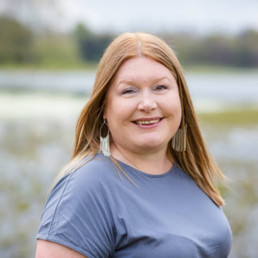
Written by Hannah Wilson
Founder and Director of the Belonging Effect (formerly Diverse Educators).
School governors play a strategic, not operational, role in DEIB (Diversity, Equity, Inclusion and Belonging). What they need to know can be grouped into purpose, legal duties, oversight, and culture.
- What DEIB means in a school context
Governors should understand that:
- Diversity: The range of identities and experiences in the school community (e.g. race, ethnicity, gender, SEND, religion, socioeconomic background).
- Equity: Fairness, not sameness – recognising that different pupils and staff may need different support to succeed.
- Inclusion: Creating systems and practices where everyone can participate and thrive.
- Belonging: Pupils, staff and families feel respected and safe in the school.
DEIB is not an add-on – it affects outcomes, wellbeing, safeguarding, staff retention, and reputation.
- Legal and statutory responsibilities (UK-focused)
Governors must ensure the school complies with:
- Equality Act 2010: Protects nine characteristics (e.g. race, disability, sex, religion). Requires schools to eliminate discrimination, advance equality, and foster good relations.
- Public Sector Equality Duty (PSED): Schools must show due regard to equality in decisions and policies.
- Safeguarding duties: Discrimination, bullying, and exclusion can be safeguarding risks.
- Ofsted expectations: Inspectors look at inclusion, behaviour, curriculum breadth, and how well vulnerable groups are supported.
Governors do not deliver DEIB – but they are accountable for whether it is happening effectively.
- Strategic questions governors should ask
Governors should be able to challenge leaders with evidence-based questions such as:
Pupils:
- Are there attainment, behaviour, attendance, or exclusion gaps between groups?
- How does the school support pupils with SEND, EAL, or from disadvantaged backgrounds?
- Do pupils report feeling safe and that they belong?
Staff:
- Is recruitment and promotion fair and transparent?
- Are there disparities in staff retention, progression, or disciplinary action?
- Is staff training in equality and inclusion effective and ongoing?
Curriculum & culture:
- Does the curriculum reflect diverse voices and experiences?
- Are incidents of bullying, racism, sexism or homophobia recorded and acted upon?
- How does the school engage families from different backgrounds?
- Policy oversight (not micromanagement)
Governors should ensure the school has clear, up-to-date policies and that they are working in practice, including:
- Equality and accessibility plans
- Behaviour and anti-bullying policies
- SEND policy and provision
- Admissions and exclusions
- Complaints procedures
They should look for impact, not just paperwork.
- Data literacy and proportionality
Governors need confidence to:
- Interpret equality and pupil outcome data without jumping to conclusions
- Understand that unequal outcomes don’t always mean discrimination – but always warrant investigation
- Balance DEIB work with the school’s context, avoiding tokenism or box-ticking
Good governance focuses on patterns and trends, not isolated incidents.
- Tone, language, and leadership
Governors set the tone. They should:
- Use respectful, inclusive language
- Avoid politicising DEIB or treating it as “optional”
- Model curiosity rather than defensiveness
- Support leaders when DEIB work attracts challenge or misunderstanding
Silence or avoidance can be interpreted as indifference.
- What governors should not do
- Do not manage individual cases unless part of a formal panel
- Do not impose personal ideology
- Do not expect quick fixes – culture change takes time
- Do not delegate all DEIB responsibility to one staff member
- Continuous learning
Effective governors:
- Undertake regular training on equality and inclusion
- Stay aware of local community needs
- Reflect on their own board’s diversity and skills mix
In short:
School governors need to understand DEIB well enough to ask the right questions, meet legal duties, hold leaders to account, and ensure every pupil and staff member has a fair chance to succeed and belong.
Shaping Intention into Impact: How Belonging Creates a Lasting Effect
Written by Hannah Wilson
Founder and Director of the Belonging Effect (formerly Diverse Educators).
We often underestimate the power of small actions. A word spoken. A behaviour modelled. A decision made with – or without – care. Yet time and again, research and lived experience show us that impact rarely begins with something loud or grand. It begins with intention.
To understand how intention becomes impact, it helps to explore three interconnected ideas: the Ripple Effect, the Butterfly Effect, and what we call the Belonging Effect.
The Ripple Effect: Intentional Actions That Travel
The ripple effect describes how a single action creates a chain reaction of consequences, spreading outward like ripples from a stone dropped into water. A kind gesture can inspire another. A thoughtful idea can spark collective change. Equally, negative behaviours can ripple just as far, reinforcing harmful patterns if left unchecked.
This phenomenon appears across economics, sociology, leadership, and personal development because it reflects a simple truth: our actions do not exist in isolation. Every choice – especially those made by leaders, educators, and organisations – sets something in motion.
Ripples are visible. They move outward in predictable ways. We can often trace them back to their source.
The Butterfly Effect: Small Moments, Unpredictable Outcomes
The butterfly effect takes this idea even further.
Originating in chaos theory and popularised by meteorologist Edward Lorenz, it suggests that a small change in initial conditions can result in large, unpredictable outcomes later. Metaphorically, a butterfly flapping its wings in one part of the world could influence a storm system elsewhere.
Here, the emphasis is not just on reach – but on sensitivity. Tiny moments matter more than we think. A brief interaction. A missed acknowledgement. A single experience of inclusion – or exclusion – can alter a person’s trajectory in ways we may never fully see.
Unlike ripples, these effects are often invisible. But they are no less real.
The Belonging Effect: Where Intention Becomes Human Impact
This is where the Belonging Effect comes in.
The belonging effect describes the profound influence that a sense of belonging has on human wellbeing, motivation, and performance. When people feel they belong, they are more engaged, resilient, creative, and committed. When belonging is absent, the outcomes are equally powerful – anxiety, disengagement, poor performance, and diminished wellbeing.
Decades of research across schools, workplaces, and communities show that belonging is not a “nice to have.” It is a fundamental human need. In educational settings, a strong sense of belonging is linked to higher achievement and retention. In workplaces, it drives engagement, collaboration, and psychological safety. Across all contexts, it supports better mental and physical health.
Belonging does not happen by accident. It emerges when people feel seen, valued, safe, and connected through meaningful relationships.
Shaping Intention Into Impact
The Ripple Effect reminds us that our actions spread.
The Butterfly Effect reminds us that small moments can change everything.
The Belonging Effect reminds us who those moments land on.
When intention is grounded in belonging, impact becomes sustainable.
A leader who intentionally creates space for voices to be heard doesn’t just improve a meeting – they shape culture. An educator who signals “you matter here” does not just support a student – they alter a future. An organisation that prioritises belonging doesn’t just retain people – it unlocks potential.
This is the heart of the Belonging Effect: intentional actions that create human impact, often far beyond what we can measure. Because when people belong, the ripples are positive, and the butterfly effects change lives.
Belonging Matters

Written by Laura McPhee
Laura McPhee is Director of Education at University Schools Trust. Prior to this, Laura was an experienced headteacher. She has a proven track record of leading transformational change management and successful school improvement journeys across London. Laura is a facilitator for the National Professional Qualification facilitator for Headship (NPQH) and a School Improvement consultant. She holds a number of trustee positions and enjoys guest lecturing for ITT courses. She is the author of 'Empowering Teachers, Improving Schools: Belonging, Psychological Safety & School Improvement' and a co-author of 'Tackling Poverty and Disadvantage in Schools.'
As part of this series I’ll be catching up with professionals who share a keen interest in all things related to belonging, inclusion and psychological safety…
This week I’m joined by Sarah Wordlaw, Headteacher and author of ‘Time to Shake Up the Primary Curriculum’ and ‘M is for Misogyny: Tackling Discrimination against Women and Girls in Primary School.’
Sarah Wordlaw, Headteacher & author of ‘Time to Shake Up the Primary Curriculum’ & ‘M is for Misogyny.’
’Q) Can you describe a time when you felt like you belonged?
A) The first time I felt like I genuinely belonged in a professional space was probably when I attended London South Teaching School hub’s Diverse Leaders event. Prior to this I don’t think I fully acknowledged or even realised that I hadn’t felt that sense of connection; until I was invited to a space where all of a sudden, I wasn’t the minority.
As for life beyond school, that would have to be the first time I attended a Pride event. I distinctly remember thinking, these are my people! Again, there was that sense of connection. It was as if someone was holding a mirror up. We had a shared experience, a shared story.
When you start to consider intersectionality and all of the complexities that brings, it gets really interesting. I have mixed heritage, so I suppose I’ve always felt as though I straddle two worlds, without necessarily feeling like I belong to either. I’ve needed to move between spaces seamlessly and code switch.
Of course, our lived experience informs how we engage and interact. We have all have layers to our identity and experiences that inform our choices.
Q) What strategies have you found helpful for building psychological safety in self and others?
A) I’ve found being honest about myself and my identity has really helped to build connection. When you’re able to share parts of yourself and parts of your identity, then I think that builds credibility and trust. You’re able to say – you know who I am and what I stand for, let’s move forward together in this shared vision (whatever that may be). This has become more pronounced for me as I moved through my leadership journey. As a less experienced leader, I wasn’t necessarily ready to do that. I was concerned about how I would be judged and what other’s perception of leadership was. Over time I’ve come to believe that who we are, is how we lead; that’s what I’ve come to value.
When it comes to developing others, I think fostering a culture that enables team members to share ideas and challenge the status quo is really important. That means as leader I have to model being flexible in my thinking and demonstrate that I’m open to being challenged, as well as challenging others; that we’re all in this together!
Q) What advice would you give your younger self?
A) I think it’s important to take space and acknowledge that whatever has taken place in the past; you did your very best with the information that you had…
So perhaps on reflection I would simply say to myself, it’s ok to ask for help and that you don’t always have to be ‘the strong one.’
Q) What does the sector need to consider when it comes to developing psychological safety?
A) Meaningful connections and relationships with each other are invaluable. Too many ‘wellbeing’ initiatives today are surface level. Treats in the staffroom are nice, but it won’t have the impact you’re looking for. We need to really understand our teams and a culture of psychological safety enables this. It’s more than a nice to have, it helps with staff retention and of course once we take the time to know and understand our teams and ensure everyone is pulling in the same direction – we’re able to enact our vision and strategy in a much more meaningful way. Who wouldn’t want that for their pupils and wider school community?
The Sandwich Generation: Hidden Needs in the Workplace
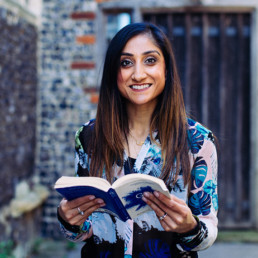
Written by Zahara Chowdhury
Zahara leads on equality, diversity and inclusive education in higher education. She has over a decade of experience in middle and senior positions in secondary education. Zahara is author of Creating Belonging in the Classroom: a Practical Guide to Having Brave and Difficult Conversations. She is founder of the School Should Be blog and podcast, a platform that amplifies diverse and current topics that impact secondary school classrooms, students and teachers.
Ageism in the workplace is often an under-acknowledged and yet deeply felt influence on career progression, belonging, development and wellbeing. Early in my career, I was often met with phrases like “age before stage” when I applied for promotions, “have your babies first” when balancing career plans, and most recently the flattering-yet-deflating, “you just look so young.” These comments project assumptions about capability and life stage, often rooted in (un)conscious bias.
But recently I have found myself close to a very particular phase of life, I’ve recognised an aspect of ageism and workplace invisibility that doesn’t get enough attention: the experience of the sandwich generation.
Who Are the Sandwich Generation?
I only recently became familiar with this term. The sandwich generation refers to adults who are caring for ageing parents or relatives and dependent children and grandchildren, nieces and nephews. It is a role and phase that people find themselves in and to me, a role and phase that we are unprepared for and do not necessarily imagine ourselves in as we age. According to recent UK research, there were an estimated 1.4 million “sandwich carers” aged 16-64 between 2021 and 2023—people juggling dual caring responsibilities. Around half of these were aged between 45 and 64.
When we look at the workforce more broadly, about one in three workers in the UK is aged 50 or over, a figure that reflects changing demographics and longer working lives.
Caring for Ageing Parents: Nuances Often Missed
Caring for a parent with declining health, or simply through the aging process, is not just about practical tasks. It’s emotional and exhausting work. In my experience, unlike caring for a toddler (who grows and develops with you), looking after a parent often means mourning the loss of who they were, even as you help them with the fundamentals of daily life:
- Helping them eat, walk, or bathe.
- Navigating digital systems—especially healthcare—when “online” is an alien concept for them.
- Managing the emotional shift from being cared for, to being the carer.
- Coping with the mental, physical and emotional health decline that often accompanies ageing and illness.
These aren’t small tasks—they are intensely personal, triggering, time-consuming and emotionally draining responsibilities that are often invisible and unacknowledged at work.
What Sandwich Caregiving Looks Like Day-to-Day
Right now, I do not find myself in this generation, however from my observations and conversations, this caregiving reality doesn’t exist in isolation—it intertwines with modern work expectations:
- High-demand jobs that leave little room for care breaks.
- The tug-of-war between career aspirations and care commitments.
- The current confusion and blur between working from home, hybrid working, working in the office, emails in the evenings, ‘managing your own workload’, which doesn’t often take into account the ‘homeload’
- Guilt over saying “no” — whether to extra hours at work, social outings, or even rest.
- Juggling care for children, grandchildren, nephews or nieces and ageing relatives.
- Being interpreters of technology, healthcare systems and cultural norms for older relatives.
And unlike the standardised support often afforded to new parents (paid parental leave, flexible hours, visibility of care needs), care for older dependents tends to be less recognised, less supported, and much more assumed to be “just part of life.”*
*I am fully aware that support for new parents has a long way to go, however relative to the support for carers and the topic of this article, it is miles ahead.
Cultural Layers: A Personal Reflection
Being South Asian, I’ve been acutely aware of the cultural dynamics of caregiving:
- Bilingualism has been a strength—flipping between English and Punjabi while navigating health systems, care plans and cultural expectations.
- Convincing elders (and wider family) that healthcare systems aren’t to be feared—especially in the face of longstanding racial inequities—adds an extra cognitive and emotional burden.
- Explaining to friends from other backgrounds why care homes aren’t just “a solution”, but often conflict with deeply held values about family, faith and community.
For many in my community, caregiving is not simply a logistics challenge—it’s a moral and familial duty. Saying older adults “need family, not outsiders” is not just cultural pride—it’s a lived priority and a core feature of love, respect and duty.
Why This Matters in the Workplace
We talk about supporting new parents in the workplace, which is vital. But we rarely talk about supporting carers of older adults, even though their needs are equally pressing:
- Longer working hours are being expected while caregiving demands rise.
- Compassionate leave policies typically offer 3–5 days—but that barely scratches the surface of extended medical appointments, hospital stays, or full-time care needs.
- Older carers may not ask for help—they were raised to keep their heads down and get on with life.
- The toll—loneliness, stress, overwhelm—can become normalised, unspoken, and unseen.
These are professionals who are burning the candle at four ends: their careers, their children, their parents, and often their grandchildren too.
What Employers Can Do
As we reimagine talent strategies, cultures of belonging, and retention plans, we must:
- Expand caregiving support beyond newborn and ‘early years’ parental leave.
- Offer accessible flexible working, without stigma, for all lived experiences, particularly those of care givers.
- Recognise caregiving as a legitimate and diverse need—not a personal burden to be hidden.
- Support wellbeing programmes through a lens of multiculturalism, cultural intelligence and multi-generational stress.
The sandwich generation is a caring generation, too—often unseen and rarely discussed. I am guilty of the latter too, ironically, until it has impacted my own lived experiences. Creating cultures of belonging means seeing these employees, understanding their lives outside of work, and acting with policies that genuinely meet the full spectrum of caregiving realities.
What does it mean to grow up mixed-race in a world that is obsessed with tidy boxes and simple definitive answers, and what does a journey towards belonging look like?

Written by Emma Slade Edmondson
Emma Slade Edmondson is a sustainability consultant, writer, journalist, podcaster, TEDx speaker, presenter and founder of ESE Consultancy. She is recognised as a Forbes 100 environmentalist and is deeply interested in an intersectional approach to environmentalism. She is the co-host of the Mixed-Up podcast, the co-author of The Half of It and the author of Mixed.
It took me a long time to understand that ‘belonging is not a destination – it’s a journey’. It was journalist and broadcaster Afua Hirsch that first shared this nugget of wisdom with me during an interview on my podcast ‘Mixed Up’ and I’ve carried it with me ever since.
When I was young I remember there being a lot of questioning… What felt like an incessant need for others to unpack and define ‘who’ and perhaps ‘what I was’ seemed to be to an underlying theme. From quite a young age – I believe I knew instinctively that this was inextricably tied to the idea that I was a mixed-race child, and later as the boom and bust of youth arrived – a mixed-race teenager.
Filling out school forms – I often ticked the ‘other’ box, wondering which part of me it was meant to capture…P.E teachers reading me in a sea of caucasian children as ‘Black’ would ask me why I couldn’t, or worse – wouldn’t fulfill my potential on the running track – you see “they could tell by looking at me that I had the potential”…I remember classmates telling me what they thought I was, as if my own story were a puzzle they could confidently solve.
And outside of school hours when I was seen with my family – I fielded questions about whether I was adopted? Where was my Black parent? How could this be my mum? Why didn’t we look alike? Were those my step brothers?
The last question I found always left a particularly bad taste in my mouth as we never use that kind of language in my household. My brothers are my brothers – it’s as simple as that..
Some days, I felt like I could belong across cultural divides. Other days, I didn’t feel I belonged anywhere at all. And I don’t think I became aware of this until I was in my 30’s but those small moments, a question in a hallway, a look of confusion at a family gathering quietly shaped how I saw myself.
There wasn’t one particular moment when things changed for me but I do know that finding my voice and the confidence to assert myself and my identity began with creating space for other voices. In 2020 I launched the Mixed Up podcast – exploring race, identity and belonging through the lens of the Mixed race identity. The podcast was born from a simple idea: that mixed heritage people were asking for a safe space to talk about who they are,about their lived experiences and their histories without having to simplify them, and without judgement?
What I learned through those conversations surprised me. Again and again, guests shared the same sentiment – they were not just asking to be seen, but to be understood. Belonging, I now know, is as much about fostering community and confidence and creating spaces for others as it is about finding out where you fit..
The podcast became a space for conversation rather than answers. I wanted to hear how other people navigated their own layered identities, how they made sense of heritage, of multiple and blended cultural touchpoints, language, and belonging.
Through interviews with ordinary mixed race people wanting to share their stories to those with extraordinary stories of displacement and loss, anti miscegenation and adoption – to conversations with mixed actors, historians, psychologists and even a pretty iconic moment with Mel B – each episode was part therapy, part learning curve. Through this dialogue, I started to see my own experiences reflected back to me and I felt an immense sense of connection and pride.
I wanted to keep sharing the beauty and the challenge of what I’ve learned through all of the insight and the stories I’ve been gifted by so many people over the years and writing Mixed– (a children’s book dedicated to exploring and celebrating your mixed identity) felt like the perfect next chapter.
I wanted to create something young people can hold in their hands and something families and educators could return to for support. In a world where identity is often debated or categorized, it is my hope that the book offers gentle guidance, that it can facilitate reflection, recognition, and a permission for children to see themselves, not as half – but as whole – not as too much of one thing and not enough of another – but whole.
There are two things I really love about ‘Mixed – Explore and Celebrate Your Mixed Identity’. Firstly – that the book is based on the idea of pen pals so each chapter starts with an inspiring letter from a Mixed Race icon with lots of wisdom to share. I loved pen palling when I was young and I feel like it opened up the world to me, teaching me the importance of asking questions and learning about others. I wanted to reintroduce this idea to children.
Because the book features letters from the likes of poet – Dean Atta, footballer Ashleigh Plumptre, actress Jessie Mei Li, author Jassa Ahluwalia, and activist Tori Tsui among others – readers will get insight into a range of lived experience perspectives that traverse different cultures and ethnicities. I hope readers will feel seen and that parents and educators will use these letters as tools to foster conversation and exploration with their students.
Secondly I’m really proud of how many practical exercises I’ve been able to include in the book that can be done between a child and a parent, caregiver or educator – from working on talking about our Mixed identities and learning to describe ourselves in a way that suits us, to learning terms and language like ‘cultural homelessness’and ‘misidentification’ to help us describe uncomfortable interactions and situations that might come up for us.
Ultimately I hope this book helps its readers – whether mixed children, parents, educators or otherwise – understand and appreciate that the mixed race identity is best approached as an ongoing conversation, and a dialogue – not a destination or a foregone conclusion.
My Top Tips for Educators who want to include and facilitate exploration of the mixed-race experiences of their students:
- Normalise multiple heritages in the curriculum – represent mixed-race voices across subjects wherever possible.
- Create space for student storytelling – invite learners to share their intersecting identities. Ask them to share how they identify themselves and why whenever you can. You may find this is a surprising and delightful question. *The first time I was asked this was by a guest on my podcast when I was well into my 30’s and I must say it was an epiphany moment for me.
- Address assumptions gently – guide students to question fixed labels and fixed categories, especially when they don’t feel like they fit.
- Model inclusive language – celebrate rather than erase nuance and complexity and avoid flattening storytelling or description that involves multiple cultural POVs.
- Partner with families – ask what cultural strengths they’d like reflected in class.
Celebrating Multiculturalism at Home & School
- Build festivals of culture that go beyond tokenism.
- Showcasing music, food, stories and languages from all backgrounds and celebrating mixed heritage families where these cultures may intersect and overlap is more important now than ever given the current geo-political context and the political landscape Britain is facing. Cultivate ways to remind students that their layered cultural heritage is something to be explored, shared and celebrated.
- Foster curiosity over correctness – teach children to ask about their classmates’ heritage or identity with respect. Asking rather than telling others about their identity is key.
Supporting Linguistic Diversity
- Value home languages as intellectual assets.
- Celebrate code-switching as a cognitive and cultural skill, not a deficit or a deceit. Often Mixed Race people’s ability to move through different cultural landscapes can be described as deceitful, dishonest or duplicitous – we need to normalise the idea of being able to straddle worlds and cultures when you’re of mixed heritage because it may be part of your identity fluidity and daily vernacular.
You can get your copy of Mixed – Explore and Celebrate your Mixed-Race Identity here.
The Power of Storytelling for Change

Written by Orla McKeating
Entrepreneur, coach and motivational speaker
In Irish tradition, “the gift of the gab” is more than being good with words. It reflects a long-held belief that speech itself is a kind of gift, one with the power to connect, heal and shape the world around us. It’s also a friendly, light-hearted way of saying someone talks a lot and tells stories. Something I’ve been told I have many times throughout my life.
Historically, storytellers and poets held significant social power. Words had the power to heal, inspire, unite, and drive meaningful change. Using our words was not merely a skill, but a responsibility. Culturally, this reflects the role of storytelling as social glue – a tool for connection, a means of using our voices with purpose and power. In the world we live in today, this beautiful, free and powerful tool is needed more than ever to create change.
In my years of working in inclusion, I have been using stories for social change the short-term impact has been huge. The girl in the hijab in an online story session whose face lit up when she saw someone like her in The Proudest Blue by Ibtihaj Muhammad. She lit up, bounced out of the room full of excitement and energy, and brought her mother into the room to show her. Or the deaf girl in a mainstream school who had never once spoke about her disability to her classmates and after a story in sign session, she skipped into school the following day with more books about the deaf experience, so proud of her identity. Representation matters and these tiny shifts in how we share our stories in learning spaces can literally change lives.
Why does Storytelling Matter?
1.Storytelling Builds Connection
Stories can create an emotional bridge, it can build empathy and helps people feel. When we connect emotionally to a topic, we can become more curious, open and engaged. It opens a tool for conversations, especially difficult ones, and it can turn something abstract – like identity, justice or belonging – into something real.
2. Stories help children see themselves and others
Representation matters deeply in education. The concept of mirrors, windows and sliding doors by Dr Rudine Bishop allows children to see their lives, cultures and experiences reflected to them affirming identity and self-worth. Mirrors reflect children’s own lives and identities back to them, helping them feel seen, valued and affirmed. Windows invite children into others’ lives helping them develop empathy, challenge stereotypes and understand perspectives beyond their own. And sliding doors invite children to step into another world, to imagine themselves in different contexts, perspectives and possibilities.
3. Storytelling makes Complex Topics Accessible
Uncomfortable or difficult topics like race, immigration, disability or big emotions can be challenging to navigate. Stories can offer a gentle and powerful entry point to this. Through characters, narratives and lived experiences, children can explore these topics gently, engage in important discussions and critical thinking in an accessible and sustainable way.
4. Storytelling invites Participation not Perfection
Stories open space for conversation as opposed to ‘correct answers. They encourage reflection, questioning and conversation. Through stories we can encourage children to learn that their voices matter, they can disagree and still be friends and that learning is something we do together.
5. Stories can change lives
Every one of us has a story that they heard that changed their lives. Whether it’s a book, a film, history or a family anecdote. Stories create memorable, meaningful and long-lasting change. And we all have a story to tell.
If stories shape how children see themselves and the world, the stories we choose, and how we hold space for them, really matter. How can we build storytelling as a tool into our learning spaces? Whose voices are centred? Whose voices are missing? What stories do we tell ourselves? And how can we use our gift of the gab to ensure that all voices are seen, heard, valued and celebrated?
Still I Rise Stories is a space for adults, educators, teachers and any person who are using stories to open conversations about identity, belonging and justice. If this work resonates, join our community here – a space to reflect, learn and grow through story.
Navigating Inclusion as a Trainee Teacher

Written by Catherine Wilson
I have worked in the special educational needs sector since 2017 and I am currently undertaking my teacher training with Exceed and doing my PGCE with Leeds Trinity University.
While I have known I wanted to work with children and young people for a long time, it has taken me some time to find that I wanted to teach and in particular teach in an SEN setting. I initially started my work life as a Youth Worker, working evenings at my local youth club before completing my BA in Youth Work & Community Development. After completing this youth work roles were scarce after a change in government and funding cuts so I then took a role in a college supporting young people who had additional needs and found my passion for supporting children with SEN. From here I then moved to an specialist SEN school working as TA and have worked my way up to doing my initial teacher training, which is where I am today!
Navigating diversity, equity, inclusion and belonging as an ITT can feel daunting. Am I using the correct terminology? Am I creating a culture of inclusion and belonging in my classroom? Do I feel confident enough to challenge people’s views in the classroom? It can be a lot to think about and navigate on top of all the other aspects of completing teacher training.
I have always thought of my practice as being inclusive and promoting equity and diversity but having Exceed SCITT as my teacher training provider has really opened my eyes to how much more I could be doing and made me evaluate my own practices and thought patterns. I have been really lucky that alongside the training they have provided me with they also signed us up to attend the DEIB Conference. And what a thought provoking day it was! Hearing from such knowledgeable practitioners has really made me stop and think.
My standout speaker of the had to be from event organiser Hannah Wilson and her session around Cultivating a Culture of Belonging. Her discussions on where we have felt like we belonged the most as we have grown up and moved into adulthood made me think about my own experiences growing up, of feeling most settled when I was with “my people” and also how it felt when I didn’t have those feelings of belonging. It made me reflect upon how I want to create that culture of belonging in my classroom and for all my pupils to feel like they belong. She also talked about Maslow’s Hierarchy of Needs and for a lot of the pupils that I work with they don’t have all of their safety needs met, as a lot have health needs that they need support with, but it made me reflect on how I can help meet the Love and Belonging needs that they have. Making connections with them and their families and supporting them to feel like they matter and are seen and can be themselves, especially in a world where they are still written off as not being able to do because they have a disability.
I was also really inspired by Bennie Kara and her session around Diversity in the curriculum and I think this is where I could really have an impact with my pupils. Her talk discussed how you can adapt the curriculum to be more diverse. I work in predominantly White British, low socioeconomic status school and I hadn’t really given much thought to the impact it would have on the pupils who are not White British and the impact it would have on them not seeing anything that represents them culturally. I use a lot of Widgit symbols on my powerpoints and resources for the pupils and always just use the default skin tone which is that of a white person, there is the option to edit this and have different skin tones so when I’m creating my resources going forward I am going to vary it.
While Hannah and Bennie provided the ‘lightbulb moments’ for me I really appreciated what Krys Mcinnis, Jo Brassington, Lewis Wedlock and Mariam Tomusk had to say and will take points from their sessions into my own professional practice. Hearing from each of the practitioners really cemented my beliefs that diversity and inclusion are not just ‘tokenistic’ or something that are achieved and then forgotten but should be something that is a continuous development.
References:
Exceed SCITT: https://www.exceedscitt.co.uk/
Maslow’s Hierarchy of Needs: https://www.simplypsychology.org/maslow.html?scrlybrkr=5cc7f61c
Cultivating Belonging in Schools
Written by Hannah Wilson
Founder and Director of the Belonging Effect (formerly Diverse Educators).
It has been a busy month/ start to the year but in the middle of juggling multiple commitments and activities, this week I received a delivery of 200 copies of my new book – A Little Guide for Teachers: Cultivating Belonging in Schools (SAGE 2026).
After all of the time and energy it took to write it, it is quite a small book, but I hope it will be a helpful addition to the conversation and give educators practical ideas of things to do for themselves, for their peers and for their learners. It is great that this contribution to the series sits alongside work by Bennie Kara, Amjad Ali, Yamina Bibi and Emma Kell.
This is how I have structured the book:
- Introduction: Why should we care about DEIB?
- 1 Belonging in Society: How do we develop it?
- 2 Belonging in Schools: How do we change it?
- 3 Belonging in the Staffroom: How do we disrupt it?
- 4 Belonging in the Classroom: How do we foster it?
- 5 Call to Action: What do we do next?
In the opening I state:
“Belonging is the feeling that is created as a result of the work we do on DEI. I thus present it as an equation:
Diversity + Equity + Inclusion = Belonging
Why does this book use the word ‘cultivating’? I used to talk about building, creating and growing belonging, but for me ‘cultivating’ captures that there is ongoing work needed and that there are different variables that we need to pay attention to. DEIB is not a ‘one and done’ approach, belonging takes time and ongoing work in the form of commitment/investment.
So, let’s start peeling back the different layers of things to consider when it comes to belonging. And I apologise in advance if you are left with more questions than answers by the end of the book, but that is the nature of the work. It is not a clean nor a linear journey, we will never be done, we will never know it all”.
Our Work on Belonging:
I wrote a blog last term about why I rebranded my business from Diverse Educators to the Belonging Effect. You can read it here. In short:
- “Belonging is the bridge between diversity, equity and inclusion – it is the emotional outcome of equity in action. It is the moment when people stop trying to fit in and start being fully themselves.
- We chose The Belonging Effect because belonging is not just a concept; it is a ripple. When one person feels they belong, it impacts their team, their classroom, their community. It is an effect that multiplies”.
I also wrote a blog at the end of term about Belonging becoming a buzzword, a band wagon and at times a plaster being put on the problem of DEI to conceal it. It caused a bit of a fallout so it clearly hit a nerve! You can read it here. This was/is my provocation:
“There’s no denying the emotional resonance of belonging. Everyone wants to feel seen, valued, and part of a community. The word signals care and connection – qualities deeply needed in our schools.
Yet belonging, in its current popular use, carries a kind of neutrality that makes it especially attractive to those uncomfortable with conversations about race, power, and privilege. It sounds universal and non-political. It doesn’t demand that we ask who has been excluded, whose histories have been erased, or whose comfort is prioritized”.
So if this theme is of interest and you would like to find out more please see below my signposting to events, training, toolkits, books and blogs you can engage with. And if you do get your hands on a copy of the book, I would love to know what you think!
Our Book Launches:
- In-person: 31/1/26 in person in Bath, 1.30-3.30pm. You can book to join us here.
- Virtual: 9/2/26 virtual, zoom or Streamyard dependent on numbers, 4-6pm. You can book to join us here.
I am delighted to be joined by friends from the region (Domini, Edel, Tanisha and Will), academics from Bath University (Alison and Ceri) and members of my team (Amy, Bennie, Jo and Yamina) for both of these conversations as it is important to unpack belonging through multiple lenses to appreciate how it is impacted by different lived experiences.
Our Belonging Training:
I have designed a session that can be delivered as a keynote or as a workshop which really provokes reflections and discussions on what belonging means to different people. Find out more here. We have sessions on Belonging in the Classroom and Belonging in the Curriculum designed and delivered by the BE team.
Our Belonging Toolkit:
Our BE Associate Zahara Chowdhury collated a toolkit on Belonging which I have been updating as I spot new resources and research. Find out more here.
Our Bookshelf:
Check out Zahara’s book on Belonging in the Classroom and the other DEIB titles our team have published which explore belonging for different identity groups and in different spaces: https://www.thebelongingeffect.co.uk/our-books/
Our Reflections on Belonging:
Check out these 10 blogs on Belonging from members of the BE network:
- Andrew Morrish: https://www.thebelongingeffect.co.uk/belonging-on-purpose/
- Chloe Watterston: https://www.thebelongingeffect.co.uk/belonging-empathy-and-a-curriculum-that-sees-every-child/
- Erin Skelton: https://www.thebelongingeffect.co.uk/belonging/
- Hannah Wilson: https://www.thebelongingeffect.co.uk/when-belonging-replaces-equity-the-silence-of-white-male-educators/
- Jennifer Johnson: https://www.thebelongingeffect.co.uk/getting-to-the-heart-of-inclusion-and-belonging/
- John Doyle: https://www.thebelongingeffect.co.uk/unsettling-deficit-narratives-race-identity-and-belonging-in-english-schools/
- Sarah Pengelly: https://www.thebelongingeffect.co.uk/building-belonging-in-primary-schools-with-human-values/
- Tricia Taylor: https://www.thebelongingeffect.co.uk/seen-valued-and-able-designing-classrooms-for-social-and-academic-belonging/
- Yasmina Kone: https://www.thebelongingeffect.co.uk/celebrating-esea-heritage-month-building-belonging-for-every-student-and-why-it-matters-right-now/
- Zahara Chowdhury: https://www.thebelongingeffect.co.uk/belonging-in-the-classroom-responding-to-a-divided-world/
Unity at a Time of Polarisation

Written by Johnoi Josephs and Omena Osivwemu
Johnoi Josephs is an award-winning educator, mentor, and Assistant Principal in South London, co-founder of Black Men Teach, and a specialist in Student Climate and Culture whose work centres on representation, visibility, and creating environments where young people can truly thrive.
Omena Osivwemu is a Policy Officer specialising in Race Equality in Education for the largest education union, a freelance writer and speaker, and education and antiracism consultant. Formerly a Primary Teacher, Humanities Lead and School Governor, she has taught in Key Stage 1 and 2 across England and Spain. Currently, Omena works with a range of organisations, such as The Black Curriculum, Lit in Colour, BLAM UK, and BERA.
Political players who are stoking division, hate and fear across our nation and around the world, are better funded and more organised than we have seen in our lifetime. We are witnessing rising misinformation, conspiracy and hateful violence in society, which is bleeding into our schools and colleges. We must ensure classrooms are safe spaces for all pupils to develop historical understanding, critical thinking and media literacy. Classrooms should be the place where children and young people express their ideas, listen to others and develop their empathy and mutual respect- especially in disagreement. Thus, educators are called to be courageous and stand up against hate in all its forms- be it racism, Islamophobia, antisemitism, misogyny, transphobia and homophobia, or anti-migrant sentiments- because we need unity at a time of polarisation.
This was the theme for the NEU’s (National Education Union) annual Black Educators Conference 2025 (BEC), which unified over 600 Black and Global Majority heritage (GMH) educators together in Birmingham across a weekend in November.
“The best BEC I have attended!” (NEU member & teacher)
Attending BEC as a first-time delegate and workshop facilitator, I (Johnoi Josephs) found it an energising and grounding experience. The theme, Unity at a time of Polarisation, could not have been more fitting. What struck me was the collective understanding that meaningful change does not rest on the shoulders of a few. As the conference reminded us, it’s better when we all do a little something, than when some of us do a few things. That framing alone speaks directly to school leaders like myself, navigating increasingly complex educational landscapes.
Over the course of the weekend, we joined the charismatic Jeffrey Boakye on his journey from classroom teacher to widely recognised author and broadcaster. We learnt a thing or two from Dr Lesley Nelson-Addy’s edifying keynote exploring key research reports on issues of school exclusion, misogynoir and the Eurocentric curriculum (see Runnymede Trust’s reporting below).
Central to the conference was the plight of overseas trained/ migrant teachers, who are actively recruited in their home countries, often by large multi-academy chains, to plug the gaps of the teacher recruitment and retention crisis here in England. Yet, once recruited, these overseas trained colleagues receive little relocation support or induction, and are facing inequitable, exploitative pay and working conditions. (Read more here and here.)
BEC 2025 illuminated these issues and more, such as the stunted progression of Black and GMH teachers and long-overdue anti-racist curriculum reform. We explored legal, academic and lived-experience insights that challenge the systemic injustice and inequities facing migrant and racialised staff and pupils in our schools. Esteemed speakers included Professor Paul Miller, a leading voice in Black and migrant teacher experiences in the UK, and Rajiv Sharma, a Public Law Barrister specialising in Immigration and Asylum work. Equally, a selection of the many grassroots organisations doing the work in our schools, communities and institutions were a part of the conversation, including but not limited to, Nadine Bernard and Aspiring Heads, Leaders Like Us, Lit in Colour, The Black Curriculum, Black Men Teach, Justice 4 Windrush, Educate Against Islamophobia, Maslaha and more.
One of the most personally resonant moments came from Jeffrey Boakye’s reminder: “If we are not at the table, we are on the menu.” As a Black school leader, this landed heavily. BEC reminded me that leadership does not exclude us – school leaders – from our community. If anything, it calls us to be even more present. Our communities, our unions, our institutions are strengthened when we take our place within them.
What I appreciated most was being in a space that spoke directly to my visible intersectionality as a Black educator. The language, the framing, the unapologetic celebration of identity and contribution, these were affirmations I didn’t realise I needed. And beyond the sessions, the atmosphere mattered: the laughter, the connections and reconnections, the sense of shared purpose. The “vibes” were not incidental; they were part of the learning. They reminded me that remaining in this profession is not only a career decision, but also a duty of representation, community, and continuity.
Educators left with their commitment renewed, their belonging reinforced and a reminder that unified we are strong and can collectively push for change in education and beyond!
If you too want to unite our communities in love, hope and unity, join the Together Alliance and stand against those sowing division and hate.
Useful links & resources:
- Join the Together Alliance and stand in unity against the far-right.
- Black Men Teach programmes: teacher training, pupil mentorship and values development.
- The Anti-Racism Framework is free to download and supports educators and leaders to develop a whole-school anti-racism strategy.
- Thinking Beyond the Box: A collection of recommendations for change by Black researchers and practitioners.
- NEU’s model policy for Overseas Trained Teachers sets out a comprehensive framework covering ethical recruitment and relocation support to induction, pay, and progression.
- Lit in Colour: Free Teaching Resources KS1- 5.
- Runnymede Trust Report (2025) – History on loop: the sustained impact of school exclusions on Black communities.
- Runnymede Trust Report (2024) – Misogynoir in the Workplace: Understanding the Experiences of Black Women in Leadership Positions.
- Runnymede Trust & Lit in Colour Report (2021) – Lit In Colour: Diversity in Literature in English Schools.