“I’m in hospital Liz.”

Written by Liz Wright
Elizabeth Wright FRSA is an editor, consultant, speaker, and activist. She brings forth all of her life experience to challenge people around disability, diversity, and inclusion.
I gulped at the message. It was from Jade, my graphic designer for Conscious Being and we were a week out from releasing issue 2. As a magazine editor, as a writer, as a speaker and consultant, I am so used to working to deadlines that my first thought was how are we going to get this issue out on time.
For years now I have been jumping to so many other people’s tunes, to doing everything possible to reach the needs of the client, without actually looking at and addressing my own needs. I am a disabled woman and live everyday with the effects of this identity. Tiredness from PMS, experiences of ableism, and using more energy than a non-disabled person to move my limb different body, is my reality every day, every month. Like a yoyo, my energy levels are unpredictable; my muscle pain is unpredictable. Everything I do, by default, is slower than someone with two hands and two legs. And yet, for years, I would push on, trying to keep up with my non-disabled peers.
In the past year I have decided that enough is enough when it comes to stretching my lovely body beyond its limits – all to please others who don’t know the actual lived experience of my impairment. Boundaries have been key to finding that sweet spot. Placing boundaries around my time and energy levels means that I am finding it a lot easier to say no to people and to stand up for myself in demanding that my needs be met too. The difference in myself has been astounding – I am more productive when working because I have had the rest that I need, I am more joyful, and dare I say it, interesting, because I actually make time to go places and see people. Life has blossomed as it hasn’t done in a very long time.
My activism has gone to the next level too – I am proud of my limb different body and what it has done for me and what I know it will do for me in the future. It has taught me many lessons and given me deep knowledge about the flaws in society and how we have to have structural and cultural change around work and success. My physical and mental fatigue wasn’t because of my impairment, it was because of the undue pressure that society puts on us to be productive and to ignore our very basic human needs to rest and relax.
When I started the magazine Conscious Being, a magazine by and for disabled women and non-binary people, I knew that I only wanted to hire other disabled creatives who deserved a platform and a space of their own. With as fair and equitable pay for these creatives as I could afford. I also knew that I wanted the core editorial and creative teams to feel that their health and wellbeing took precedence over anything else. I never wanted anyone to feel that they couldn’t tell me when they weren’t well and when they needed rest and a day off. I wanted Conscious Being to reflect the core of what I had learnt about taking care of myself – that when we look after and prioritise ourselves and our needs, that is when we can meet the needs of others in a beautiful and empathetic way.
Jade was in hospital and she wasn’t sure how long she would be in there for. As much as a slight panic hit my core first, that residual fear of not meeting deadlines, I knew that Jade’s health and wellbeing was more important than any release date of a magazine. And as Jade’s boss I told her so. I took hold of the reins, I assured her that we would work with her timings and that she had to just focus on recovery now. At the end of the day, disabled or not, we are only human, not machines. And as much as the world we live in would like you to believe that we don’t have a choice, unless your job deals in life and death situations, we can choose to push back deadlines, say no to things, and demand that our needs be met.
Issue 2 of Conscious Being came out on the 7th of September. A week late, but a much better magazine for it. The way the team pulled together and rallied around Jade was inspired. And the end result has been a happier and healthier graphic designer and a magazine and team that we can all be proud of.
—
We would like to thank Diverse Ed for being a sponsor of Conscious Being Magazine – the magazine by and for disabled women and non-binary people. If you would like to be a sponsor in the next issue please reach out to Editor-in-Chief Liz Wright at – liz@consciousbeingmagazine.com
You can grab your copy of issue 2 here – Conscious Being Magazine

Challenging conversations: Compliance through fear, or growth as a result of transparency and kindness?
Written by Sarah Johnson-Scott
Vice Principal of a large secondary school in West London. January 2021 Cohort of The Academy of Women’s Leadership.
What is the purpose of a challenging conversation?
Are they opportunities to: raise your voice at others to give them a dressing down; shout at them for making a mistake; assert your power or position; gain compliance through fear and therefore stifle and destroy the creativity, problem solving skills and ultimately output of your team? No, no, NO!
Can they be avoided? NO!
In highlighting that ‘the culture of any organisation is shaped by the worst behaviour the leader is willing to tolerate,’ Gruenter and Whitaker show us the impact of not having challenging conversations. As leaders we will accept and be seen to accept behaviours which are not acceptable in the workplace – if we don’t care as leaders, then no one cares. There is only one ending to this; a toxic culture, where people are unhappy, are not collegiate and productivity is low. Toxic cultures take a grip like quicksand. They are extremely difficult, and sometimes impossible to overcome.
Is there support in ‘mastering challenging conversations?’ YES!
As part of The Academy of Women’s Leadership, the inspiring Diana Osagie led us through an excellent session on ‘How to master difficult conversations,’ across a range of contexts including challenging conversations, holding staff to account and dealing with difficult people. By providing us with three different scripts for leading challenging conversations in each of these contexts, Diana left us feeling empowered, courageous and brave about leading these in future.
What were the top 5 takeaways from Diana’s session?
- Remembering that the behaviour is theirs….so don’t apologise for your stance (you are the leader and you have decided that there is a reason for a challenging conversation).
- Acknowledgement and acceptance that challenging conversations will test your courage and resilience.
- The challenging conversation scripts are invaluable – having a script to tweak when under pressure as a leader is extremely reassuring! They also support in running through the conversation and desired outcomes beforehand.
- The stages of a challenging conversation (you will have to join The Academy of Women’s Leadership to find out what these are!)
- Get some support for yourself – find an appropriate person in your organisation you can talk to about the challenging conversation (they’ve almost definitely led these before).
What’s the future of challenging conversations?
As leaders we recognise that challenging conversations are part of our role, but more crucially are essential for a positive organisational culture, happy staff and excellent outcomes. If they are led with clarity and kindness, and are received appropriately, challenging conversations should promote growth (potentially on both sides) – otherwise what is the point?
Engaging and Empowering Students in DEI Work
Written by Lois Nethersell-Webb
Lois is a History teacher and DEI Lead at a rural Norfolk High School. In this role she is leading whole school training on diversifying the curriculum. Lois is also a founder of the Norfolk DEI Network and is passionate about encouraging and guiding young people to become change makers.
What kind of adults do we want our students to become? Do we want them to passively accept the status quo or do we want them to become active citizens who question the world around them? If the latter, then we must model and shape this behaviour in schools by providing them with opportunities to express their views and lead on causes that ignite their passions.
Students need to see that becoming involved in DEI work within schools or, indeed, wider society, is a sign of strength. When the government views standing up for marginalised groups as ‘woke’ we are fighting a populist narrative. Educators need to demonstrate to students that standing up to a friend who uses racist or homophobic slurs is not woke, it is strength. Educators need to demonstrate to students that calling out your mate who has made sexualised comments to a female student is not woke, it is strength. Educators need to demonstrate to students that refusing to mimic the accent of a new teacher is not woke, it is strength.
One way that schools can demonstrate active citizenship to the pupils in their charge is through setting up intersectional diversity groups. Whilst student groups focused on one particular protected characteristic, such as Pride Club, have their place, an intersectional group enables students with different protected characteristics, and their allies, to come together and support each other. We must create safe spaces for students to discuss concerns and lived experiences before supporting them to curate ways in which to spread their narratives across the whole student body.
Our student Diversity, Inclusion, Campaigns and Equality (DICE) group have been instrumental in raising awareness of a number of societal issues. Whether it be a cube of truth focused on male mental health or the lunchtime climate change protest, our students have thought of innovative and engaging ways to enlighten the wider student body and get them thinking about how change can happen. Showing students how to use their voice for good and how to channel their views is an essential part of their education.
All too often running student groups, like DICE, is left to chance. If there is a member of staff with a protected characteristic or who has a particular passion for DEI work then the student groups are formed. This should not be the case. LGBTQ+ teachers are tired of being the ones to start the Pride Clubs in schools. Black teachers are tired of being the ones who support students who have experienced racism. We need our allies. We need other educators, particularly white, able bodied, cisgendered male educators, to stand with us and help set up student groups. The power you hold is immeasurable. Help us set up our student groups and demonstrate that DEI work is the work of all.
To create a truly diverse, equitable and inclusive society all adults, no matter their lived experiences, must see tackling injustice and inequality as their responsibility. For this to happen we must start by showing students that DEI work is a collective responsibility. If you want to help your students become young changemakers – set up an intersectional student DEI group; neither you nor your students will regret it.
#DiverseEd’s Top 10 Blogs of 2020-21
Written by Belonging Effect
Belonging Effect is committed to shaping intention into impact and supporting people with their Diversity, Equity, Inclusion, & Belonging strategy and training needs.
We love to amplify the voices, share the journeys, and celebrate the stories of our community. Our blogs vary from sharing lived experience, to reflecting on classroom practice and curriculum design, to evaluating the impact of policy changes. We published 150 blogs from our network last academic year. You can meet our bloggers here and you can review our collection here.
Deepening our thinking around DEI starts with who and what we are reading, helping us to develop our confidence and our competence, both individually and collectively. Reading the blogs by our community provokes reflection and stimulates conversations to help us all understand the breadth and the depth of issues we need to develop an awareness of.
Themes explored in the 2020-21 blog collection include: allyship, belonging, careers, coaching, commitment, community, curriculum, culture, governance, HR, identity, ITTE, language, leadership, policy, recruitment, reflection, representation, research, safeguarding, strategy, teaching, wellbeing.
Here are our Top 10 Most-Read #DiverseEd Blogs in the 2020-21 academic year:
- How do we deal with racism in the classroom – Hannah Wilson
- How to promote an anti-racist culture in social work – Wayne Reid
- Interactive diversity calendar 2021 – Carly Hind/ Dual Frequency
- How does material deprivation intersect with ethnicity to understand the variations in the achievement among BAME students – Nicole Edwards
- Don’t tuck in your labels – Bennie Kara
- Dear Secretary of State – Hannah Wilson
- Gender is wibbly wobbly and timey wimey and gloriously so – Matthew Savage
- Engaging with diversity – giving pupils a voice – Gaurav Dubay
- Black lives matter, then now always – Wayne Reid
- Breaking the cycle anti-racist plan term 1 – Dwain Brandy
Thank you to everyone who has contributed to our #DiverseEd date and please do get in touch if you would like us to publish you. You can find out more about how to submit here.
You Are Not Alone: Leaders for Race Equality
Written by NAHT
NAHT is the UK’s largest professional association for school leaders, representing more than 33,000 head teachers, executive heads, CEOs, deputy and assistant heads, vice principals and school business leaders.
At the end of June 2021, NAHT launched our ‘You Are Not Alone: Leaders for Race Equality’ book.
Originating from NAHT’s Leaders for Race Equality network, the book shares the personal experiences of 14 NAHT members from Asian, African, Caribbean and multiple backgrounds. It includes personal and challenging stories of the discrimination faced as both leaders and individuals through school, university, interviews and promotion, often having to prove themselves at every step on the way to leadership and facing both overt and covert racism from others. Common to many stories is the impact of the school environment and how vital the support and influence of role models can be.
The stories and experiences shared are powerful, challenging and at times deeply saddening. However, they are equally heartening, sharing examples of courage, determination and hope.
Mayleen Atima, a Head Teacher in Suffolk and book author
“All I ever wanted to be was a teacher” is the first line to my chapter. I wanted to start from a point of ambition. Even now that line is tinged with many memories for me as the path to teaching was not as romantic as I imagined it would be.
The below extract was the hardest part to write as I had to delve back into the emotions of that period of time.
“I realised at that point that, within that school, I had come to the end of my career progression, and I attended a deputy head teacher training course. I applied for several jobs and finally got an interview. The head teacher was shocked when he heard that I had an interview. He asked me for my personal statement so that he could write the reference. After reading the personal statement, he stated that it was full of grammatical errors and I should have let him read it before applying for the job. I was annoyed and my confidence was knocked. Deep down I knew that he did not want me to go, but still his words and actions hurt”.
I want all readers to find confidence in knowing their value and worth. Not waiting for someone to echo your value but knowing your own worth. The extract above pin-points a pivotal point for me when I realised my worth and knew it was time to move on.
I am now an established head teacher in Suffolk, running a school that has improved from ‘requires improvement’ to ‘good’. All I ever wanted to be was a teacher and I have achieved that goal.”
Ruhaina Alford-Rahim, Executive Head Teacher in Devon and book author
I had never considered racism as an issue that affected me, yet in writing my chapter, I recognised that racism my parents had suffered decades ago had shaped me to be a person afraid to expose my difference. Suppressed memories of micro-aggressions I had witnessed through 20 plus years in education surfaced: colleagues mocking children’s names; comments regarding needing to be careful when interviewing a non-white candidate; a senior leader revealing that he would like to leave London to get his children away from its diversity; a colleague saying that the Indian sweets a teaching assistant had brought in would taste like sweet wall paper paste and the aggression I received from parents when I first started teaching – at that time my surname was ‘Rahim’ and I wore a hijab.
Writing the chapter has helped me realise that by hiding my difference I am assuming everyone will react negatively and so I am doing them a disservice – not allowing the opportunity for others to learn, ask questions and develop their own understanding of cultures.
Diana Ohene-Darko, Assistant Head Teacher in Harrow and book author
It is my hope that those who read the book take the time needed to immerse themselves in our stories, to spend time with us, walking in our shoes if only for a moment. And to take-away the need to create safe spaces, open up discussion and make everyone feel that they are a person, that they belong where they are. No matter what school you are in, you belong there.
Equality is everybody’s responsibility. It requires commitment. It requires hard work. It requires personal reflection from the offset. In order for the whole of the education profession to be an ally, to become allies, you have to delve into that personal reflection, you have to delve into your own biases (and we all have them in different respects). In terms of equality being everybody’s responsibility, actually we are protecting each other’s ‘protected characteristics’, those characteristics that are protected by law- that is all of our joint responsibility.
Next Steps
NAHT hope that this book can play a part in igniting further conversation and awareness around the breadth and depth of discrimination within the sector. We know that the profession is not yet representative of the communities we serve, and that this is a particular issue at senior leadership level. NAHT are therefore proud to lend its support to amplify our Black, Asian and minority ethnic members’ authentic voices.
NAHT also recognises the need to challenge ourselves – we know that as an organisation we have really only just begun on our own journey and we remain committed to using our power to work to actively help dismantle racism and the structures that perpetuate it, in all of its forms.
The book is freely available to download at https://www.naht.org.uk/NAHT-Edge/ArtMID/694/ArticleID/1018/You-are-Not-Alone-Leaders-for-Race-Equality
If you are interested in hearing more about the book then please contact policy@naht.org.uk
Racist Language within an SEMH Context
Written by Sophie Tales
Associate Assistant Principal for the Mead Educational Trust in Leicester. Sophie leads on Social, Emotional Mental Health, SEND Support and Development, Transition, Oracy, Team Teach and is chair for SENCo and Family Support Worker Networks.
What does it mean when students with SEMH show prejudice within a state of crisis? How can this be managed? How should this be tackled?
Within an SEMH context there are high staff to student ratios. Therefore, in the best of settings, there is very little behavior that goes unnoticed. This means that as staff you have a very insightful position within the lives of the SEMH students that are in your care and, therefore, have an opportunity to support students within any ounce of behavior that has been shown; positive or negative.
When it comes to times of crisis for students with SEMH, this can manifest in different ways. Behaviour that can be shown as an SEMH student reaches crisis: verbal abuse, physical abuse, controlling behavior, damage of property or self-harm.
Verbal abuse can often be part of an individual student’s behavior when they are in or reaching crisis. When an SEMH student is in crisis they are in ‘Fight, Flight. Freeze.’ Fight and flight are often seen within SEMH contexts. Verbal abuse is part of the ‘Fight’. Typically abuse that I personally get is “fat”, “bitch”, “slag”, “slut”; all very much to do with my body and being female. Within this state of crisis an SEMH student is in such a state of unrest that they are attempting to show you just how badly they are feeling; sometimes they want you to feel just as badly as they do – hence the abuse. What I, as a white woman, haven’t experienced is any abuse about the colour of my skin. However, what I wish to discuss within this piece of writing is that when working with students with SEMH, racist language may well be used as abuse towards anyone; regardless of the colour of their skin.
As with any SEMH context, the behavior policy of that setting is a fundamental part of the running of the school and provides a clear set of rules, as well as opportunities, for students to follow to be rewarded for positive behavior. Racism is a key part of the policy which outlines steps of action if a student shows racial prejudice. However, what I would argue is that all contexts, SEMH or not, alongside their behavior policy, equally need a defined focus within the setting’s curriculum where ‘racism’ is being taught; for SEMH students, especially those who are white, racism is a very hard concept to understand.
The importance of having a differentiated curriculum designed to discuss what race and racism is became increasingly apparent to me when dealing with a group of white students who were increasingly using racist language towards members of staff when they were reaching a state of crisis. It became increasingly apparent that this needed an individual approach as no form of sanction was helping them change their behavior. For instance, these students all hated working away from their main class group and this was the first part of the sanction for the racist words that they had used. In the past, working away from their main class group would help these particular students to understand what they had done wrong and to stop any repeat offenses. However, with this incident, it didn’t. The words these students were using became worse and, strangely, the targets of these racist words became more varied. These students started to use these words towards anyone who was around at their point of crisis. They were not directing these racist words towards any particular skin colour; they were saying them to anyone available – white or black. This change in word direction helped me to see the issue. These students were not showing their prejudice; they were using words that they knew offended and upset people, without having any real understanding of what they were talking about.
This is where I realised I had overlooked something. I had overlooked just how complex a social construct such as racism is for any child, let alone a student with SEMH. To be able to understand racism, you are not just having to teach how historically people of colour have been treated as inferior to white people – you have to help teach the impact of community, culture, religion and, above all else, empathy. This is not an easy endeavor for students who struggle with social understanding. Yet, once this has been identified, you can identify what needs to be broken down for those students to understand the impact of their words and behavior.
For the students I was working with they needed context. They needed to understand what the words they were using meant to the staff they were saying it to. This could not come from me. A white woman telling them how it made another person feel wasn’t enough context; they needed to hear it from the person they had said it to. Secondly, they needed to see what this meant in context. They needed to see the community of people that they were directly offending when using those words. Finally, they needed to be in that community, to see those faces, and to discuss, in front of the community they were offending, when out of crisis, and to feel the weight of the language they had used.
The above approach worked. These students no longer use racist language within a state of crisis; it has been put back into a box that they know is not to be touched; regardless of the level of distress they are feeling. This is not to say that I think they will never use these words in a state of crisis again; they most likely will. But what they have now is a foundation of understanding that can be used to remind them of who they are not to use such language. Most importantly, it helped everyone involved to see that these students were not prejudiced. They were not targeting race; they were seeing a way of hurting someone as a tool for communication, without an understanding of the historical and social weight of the words they were using.
The National Curriculum - What Needs to Change?
Written by Molly Burbridge
Molly is a teacher based in Greater Manchester, she founded AC in September 2020. She has a BA from Manchester University in American Studies.
Why is the national curriculum so limiting?
The national curriculum determines what is taught in our schools and colleges. It not only establishes who deserves to be celebrated in our country’s classrooms but also which students are represented. The content of our curriculum, the privileging of some forms of knowledge and aspects of lived experience over others and even pedagogical practices themselves serve to prioritise some voices and marginalise or silence others.
Even though educational establishments are required to abide by the Equality Act of 2010 our national curriculum does not reflect the nine protected characteristics equally. There is no requirement to learn about how institutionalised racism impacts our society; most authors of GCSE English texts are White heterosexual cisgender men; there is little scope for the celebration of the diverse array of cultures and identities that exist in our society. Even in PSHE, a subject that can be considered to have the most freedom to explore topics relating to the nine protected characteristics, is curtailed by DfE guidance limiting the external visitors that can support the delivery of a PSHE curriculum to disallow those, ‘promoting divisive or victim narratives that are harmful to British society’ (https://www.gov.uk/guidance/plan-your-relationships-sex-and-health-curriculum#using-external-agencies). This has been seen as an attempt to limit educators from teaching about activist groups such as Black Lives Matter and Extinction Rebellion (https://www.theguardian.com/education/2020/dec/15/education-department-to-review-schools-guidance-on-anti-capitalist-groups?__twitter_impression=true). It would be an impossible task to effectively teach about the nine protected characteristics of the Equality Act of 2010 without discussing the actions taken by marginalised groups to fight for equality however the DfE seem to be trying to prevent this.
Why does a representative curriculum matter?
Lack of representation or misrepresentation prevents society from progressing. When harmful, inaccurate or ignorant portrayals of groups of people exist in the media or cultural industries it leads to discrimination and harassment. If students don’t see themselves represented in topics they learn at school whether that be due to their race, gender identity, sexual orientation or disability then it becomes a barrier to achieving a sense of equality in schools. A lack of representation can also perpetuate existing inequalities that exist in society. Pupils who belong to groups that hold power in society are not given an opportunity to locate themselves within this position of power in society and are therefore not encouraged to consider how they benefit from it and what they can do to promote equality.
How we want to make a change!
Here at Alternative Curriculum, we want to widen the educational conversation and deepen an understanding of many subjects that are often airbrushed out of our national curriculum. We create free online resources that can be used by teachers in their classrooms, parents/carers as learning tools at home or young people as an opportunity to widen their cultural capital. Our aim is to amplify diverse voices and give young people the chance to learn about the varied histories, cultures and communities that have contributed to society. Our lessons focus on minority groups and those whose histories and cultures are not as thoroughly covered in the mainstream curriculum, with lessons on various topics within areas of history, science, media, literature, cultural studies and more. Example lessons so far include:
- ‘Pride’- KS1: https://www.alternativecurriculum.org/pride-3/
- ‘Racism, Inequality, Cultural Pride and Revolutionaries’- KS3: https://www.alternativecurriculum.org/racism-inequality-cultural-pride-revolutionaries/
- ‘The World’s Wife’- KS4: https://www.alternativecurriculum.org/the-worlds-wife/
- ‘Irish History’- KS5: https://www.alternativecurriculum.org/irish-history/
We have even started creating adult resources as it’s important that we continue to educate ourselves and continue the conversation around anti-discrimination and equality. Here are some examples of our adult resources:
- Disability Rights in the UK: https://www.alternativecurriculum.org/disability-rights-in-the-uk-2/
- Kill the Bill: https://www.alternativecurriculum.org/kill-the-bill/
As conversations around the creation of a diverse and representative curriculum continue we hope that it is prioritised in classrooms across the country. Until then we will keep creating resources that amplify and celebrate unheard voices and change the narrative or our national curriculum.
Reflections on the Edurio EDI Summit

Written by Iona Jackson
Iona leads on turning Edurio’s national datasets into useful and impactful insights for trust and school leaders. Iona has worked on national reports focused on topics such as equality, diversity and inclusion, staff retention and pupil experience and wellbeing. She works closely with education leaders and industry experts to understand what the current position means for the sector, and where to go from here.
On June 21st, my colleagues and I hosted the Edurio EDI Summit, a day dedicated to promoting equality, diversity and inclusion within schools. Throughout the day we had guest speakers sharing their experiences in school as people with a range of protected characteristics, ran masterclass sessions with experts in equality, diversity and inclusion, and launched the first report from Edurio’s Equality, Diversity and Inclusion Review.
Among our guest speakers was Amy Ferguson, a female, lesbian, Black school leader, who explained her experiences at the intersection of multiple protected characteristics. We also heard from Abed Ahmed, a Muslim teacher with a stutter. We learned from Abed about the challenges of interviews when fluent speech is a challenge, and how the “usual” model of interviewing could be limiting the talent pool by assessing people on attributes that don’t dictate how well a person is able to teach young people.
The masterclass sessions covered topics from diversity to religion. Mandy Coalter encouraged attendees to understand the context using both individual stories and data when building action plans. We heard from David Hermitt about the changing role religion plays in the lives of White British/Irish children, and how that compares to their BAME peers. In another session, Jerrel Jackson talked about problems with labels, both the ones assigned to us by others and the ones we assign ourselves. We wrapped up the day with a close look at intersectionality, with Hannah Wilson (Diverse Educators) and Angie Browne. The session shone a light on the challenges that come from thinking about people based on one characteristic they may have, as humans are made up of a number of characteristics and experiences.
The event also featured the launch of our report, Equality, Diversity and Inclusion Among School Staff. It’s the first of many reports from our EDI Review, the largest dataset on EDI issues within English schools. 16,500 school staff took part from 380 schools in England, discussing their experiences relating to recruitment, on-the-job issues of equality, diversity and inclusion, and opportunities to advance within their school or trust. We found that, overall, staff felt that their workplace was committed to promoting equality, diversity and inclusion. Four in Five staff said they felt their workplace was ‘quite’ or ‘very committed’. However, there were material differences among how staff with certain protected characteristics experienced their time in schools.
The first report offers an overview of some key learnings across the Equality, Diversity and Inclusion Review. But it is just the start – in the coming weeks and months we’ll be sharing deep dives into particular protected characteristic groups, and looking into particular areas of the school experience in more detail. As our data set grows, our representation of smaller or more marginalised groups will continue to grow, and we will be able to provide a voice to people who have struggled to have their views heard. I’m excited about what is to come as we continue on this long journey towards creating equal, diverse, and inclusive workplaces in education.
—
Edurio is a survey platform for schools to quickly and easy gather feedback from staff, parents and pupils. Our EDI Review is one of a number of surveys created by Edurio in partnership with education researchers and practitioners. To find out more, or book a consultation, head to home.edurio.com
Coaching and Mentoring Diverse Leaders
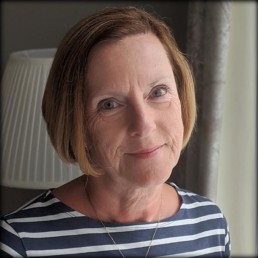
Written by Dr Jill Berry
Thirty years teaching across six different schools in the UK, state and independent, and was a head for the last ten. Has since completed a doctorate and written a book.
Since I finished headship in 2010, I’ve spent a fair amount of time working with aspiring and serving leaders at all levels, supporting and challenging them to step up, to be the best leaders they can be and to fulfil their personal and professional ambitions. It’s been a hugely satisfying and energising part of this ‘post-career’ phase of my life.
I was involved in and supportive of #WomenEd from the very beginning, and as initiatives like #BAMEd, #LGBTEd and #DisabilityEd have come on-stream, and as our awareness of the crucial importance of diversity, equity and inclusion has grown, I’ve been committed to supporting diverse educators, and this has involved my learning more – reading more, watching and listening more, in an attempt to raise my awareness of the perspectives and experiences of those whose lives may be quite different from my own. I’m committed to being an ally, and to encouraging all educators to be allies – and to exhorting all those with leadership responsibility to use any influence they have to empower others, especially those from under-represented groups.
We need strong leaders at all levels – Middle Leaders, Senior Leaders, Heads, Executive Heads – whether you’re leading a specific team, a school or a group of schools. And we need a diverse and inclusive workforce which reflects the communities we serve, and the world we live in, so there are role-models and high profile examples of what our pupils can achieve, and so that we make the most of the strengths and the range of talents of absolutely everyone.
So in terms of coaching, mentoring, supporting and developing leaders – whatever their background, their identity and their lived experience, these are three things I think are especially important.
- Leading is about getting the best from others, and to do that we need to ensure we can see the best in them, and that they see it themselves. Strong leaders can spot potential in those who don’t yet believe it themselves, so that’s my first point. Can you help those you lead to give themselves credit for what they have achieved and, crucially, what they could achieve in the future? Find the bright spots, and ensure they don’t undervalue themselves, or their potential. Show them you value what they are now, and what they are capable of becoming.
- Secondly, but clearly closely related to the first point, this is about building the most positive, mutually respectful and trusting relationships, and communicating. Really listening, being receptive, showing empathy, and trying very hard to understand each other’s point of view. To borrow Nancy Kline’s words: “seek to understand” rather than “seeking to convince”. When you’re working with others, focus on building bridges and not walls.
- And thirdly, finally, never lose a strong sense of hope and a sense of the possible. It’s ten years old, now, but back in the early days of my headship I read a book called ‘The Art of Possibility: Transforming Professional and Personal Life’ by Benjamin and Rosamund Zander, and I did FIND it transformative. We need to see what’s possible, for ourselves and for others, and to help them to see it, and to believe it too. We can be constrained by our fears, our anxiety about facing failure, or disappointment, our aversion to risk. If you are coaching, mentoring and developing diverse leaders, you need to have a clear sense of, and commitment to, what is possible. I recently supported a woman who was applying for an Assistant Principal role in her own school. She almost didn’t apply, and when I asked her why, she said, “I don’t like to fail.” No one likes to fail, but if we aren’t prepared to risk failure we won’t achieve success. What made a difference to her was her 13 year old son saying to her, “But, mum if you don’t apply, you HAVE failed…” And she applied. And it was a really rigorous, robust, challenging process, and she got the job.
So if you’re supporting diverse leaders, remember:
- Find the bright spots – and help them to see them too
- Connect and communicate
- Have hope and see what’s possible.
You can read more blogs by Jill here: https://jillberry102.blog/2021/06/12/coaching-and-mentoring-diverse-leaders/
You can watch Jill’s input at the #DiverseEd event here: https://youtu.be/wnanDncf6Xc
Facing up to Privilege
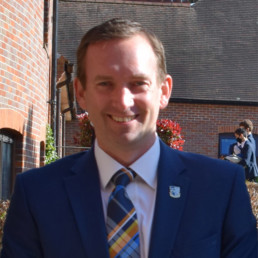
Written by Dan Colquhoun
Director of Sixth Form at Dr Challoner's Grammar School, 20/21 #BigLeadershipAdventure participant.
A personal view of confronting the advantages you’ve had and sharing this across the school community.
The past few weeks have been a time when I’ve been doing a huge amount of thinking and taking action on a lot of things relating to Diversity, Equity and Inclusion. The starting point was the brilliant session led by Hannah Wilson (@DiverseEd2020) and Adrian McLean (@Character_Guy) where we were all encouraged to actively engage in a range of deep-thinking tasks regarding what the key ideas meant to us as well as being encouraged to reflect on what our responses were to some challenging videos, pictures and ideas. What made this experience so powerful for me was the lack of judgement in the session alongside the feeling of psychological safety which enabled me to be honest with myself, and others, about my relative naivety with some of the issues raised.
The idea that particularly chimed with me was around Privilege. Having heard this bandied around previously I have to admit that I found it a word with many negative connotations – akin to spoilt, selfish, arrogant… I knew that I’d been fortunate in my upbringing: a loving, stable family; good school; various opportunities etc. but the idea of seeing myself as privileged didn’t sit well with me and I felt it was more suitable for those in the very highest echelons of wealth.
The video that we were shown of the race for $100 (here) where a range of statements were read out and if they applied to the individual (e.g. had a father figure in home, never worried where the next meal will come from etc.) they get to take two paces forward. After 10 statements the difference in starting position is massive, but as the video states: ‘where you are has nothing to do with anything you’ve done’.
I have watched this a number of times now, and it still causes a very emotional reaction in me. How can I not have realised just how fortunate – how PRIVILEGED – I’ve been all of these years? Having now shared this video with our SLT, my Sixth Form Team as well as with our team of Senior School Officials in both Y12 and Y13, it has been fascinating to listen to their responses and the different aspects that they pick up on. The extra large steps that people are trying to take to get any little additional advantage, the strong link between race and starting position, the importance for those at the front to turn around otherwise they don’t realise quite how far ahead they are of everyone else, and the incredible, powerful, way that many of those at the back still give their absolute best in the race. It gets me every time.
So, do students leave our school realising the extent of their privilege?
At the moment the answer for the vast majority would have to be a resounding no. They attend a selective school in an affluent town in the commuter belt and this bubble that they live in means that they are not exposed to the full breadth of society. They often end up comparing themselves to their, similarly privileged, peers or others in independent schools (the few who are “ahead” of them in the race of privilege) and actually convincing themselves that they’re relatively disadvantaged. Finding ways to encourage them to see themselves within the bigger picture, to take a more global view, is going to be really important.
For some students this can come from when they head to university and mix with a wider, more diverse, group of people. At reunion events it is a regular comment: “I just thought that all schools were like ours until I started speaking to friends at university.” This leads to increased gratitude and awareness of their privilege from attending our school, however it doesn’t suggest that they really understand the depth of privilege from across all aspects of their life that has put them in the position that they are in.
To me it is so powerful to think of what they could achieve if they do have this awareness of their privilege and the moral duty that comes with it to use it to help others who haven’t had the same level of advantage. Equity vs Equality.
So what has happened since this experience of seeing with fresh eyes?
Back in my school I initially shared my key learnings with my SLT colleagues. This led to some really fruitful discussions and we now have DEI as one of our two key school targets for the coming academic year. Sharing thoughts with a number of different teams of staff and students has been amazing and the quality of engagement and contributions at all of these has been so brilliant to see. It is as though everyone is desperate to talk about it, but often doesn’t feel confident enough to always say what they want to. To ask the questions. To simply say they don’t know. By sharing my vulnerability and recent journey has had a very positive impact on the atmosphere in these sessions and allowed people to feel safe and talk openly. ‘Getting comfortable with being uncomfortable.’
I have also had a number of discussions with my team in the Sixth Form about what this all means to us, and what are the key aspects for us to work on with the students. We have also started to make things more visible to students with: posters from Bold Voices around the school; names and email addresses of who to contact if a student has any concerns; policies more visible; a standing agenda item in our meetings; sharing of interesting articles and webinars.
What does the future hold?
We have arranged sessions in a couple of weeks’ time (once Y13s have got their final assessments out of the way), where all interested students are invited into school for two hours, to share their feelings regarding Sexual Harassment, Sexual Abuse and Consent. We’re initially going to have these meetings split by gender to encourage open sharing of what is the reality of things at the moment. We will then see what people are happy to share more widely and capture the honest views of our Sixth Form students as well as thoughts on how we could proceed. Involving the whole school community, and particularly the students, is going to be key in shaping how we move forwards.
Getting all staff on board is vital and we have very successfully embedded positive attitudes towards Mental Health across the school having focussed on working with staff first and then students. I see this as an important path to follow with DEI too: every teacher needs to have the space to engage with the issues themselves before we can expect them to start working with students. We cannot allow any teacher to remain unconsciously incompetent. ‘Doing the inner work before you do the outer work.’
As a school we pride ourselves in sending out well-rounded students prepared to make a positive impact in the world. We must do everything we can to ensure that this encompasses awareness of their individual level of privilege and this is going to be a key aspect for us to get right for the future. I’m excited for what lies ahead!