Racism is a Safeguarding Issue: Education as a Safe Haven

Written by Chloe Watterston
Chloe is an educator, athlete, and advocate for inclusive, curiosity-driven learning, dedicated to creating spaces where every young person feels safe, valued, and empowered. Her work across mainstream and SEND education, community projects, and curriculum reform is driven by a passion for amplifying marginalised voices and breaking down barriers to learning.
Schools often pride themselves on being safe spaces, yet for many students, they are anything but. Racism in education is not simply a matter of representation or curriculum – it is a safeguarding issue. Children are being radicalised online, marginalised in classrooms, and silenced when they try to speak out. Ignoring racism doesn’t protect students; it perpetuates harm.
When we talk about safeguarding, we picture child protection protocols, online safety lessons, and anti-bullying strategies. But racism is rarely given the same urgency, often treated as a ‘behavioural’ problem rather than a threat to wellbeing. This omission has consequences. Experiencing racism is traumatic: it damages mental health, erodes self-worth, and disrupts learning. And when schools fail to act, they can become complicit in further harm.
We should be challenged to confront that denial and reframe anti-racism as a fundamental safeguarding duty. Decolonising the curriculum isn’t about adding diverse content – it’s about telling the truth: truth about the roots of white supremacy, about global histories and contributions, and about the systemic barriers that harm marginalised children daily.
When schools silence conversations or refuse to acknowledge racism, they create unsafe spaces. Anti-racist practice must become part of safeguarding training, staff culture, and classroom discussions. Students should never feel their identity is ‘too political’ to discuss or their experiences are ignored.
The Scale of the Problem
The numbers are stark:
- In 2019, the NSPCC reported that incidents of racial abuse and racist bullying of children had risen by a fifth within four years.
- In 2021, the Guardian reported that UK schools recorded 60,177 racist incidents in a five-year period (Anti-bullying Alliance)
- A 2020 World Economic Forum report found 95% of young Black British people have witnessed racist language in education. (Forum)
- According to the Department for Education, Black Caribbean pupils are up to three times more likely to be excluded than their white peers (gov.uk).
Yet, many schools still treat racist incidents as isolated behaviour problems rather than safeguarding red flags.
Why Racism is a Safeguarding Concern
- Radicalisation Risk: Extremism targets isolated, angry, or vulnerable children, grooming them with online narratives that can spread through classrooms.
- Chronic Trauma: Racism’s impact isn’t a one-off bruise – it creates long-term psychological harm, raising rates of anxiety, depression, and physical health issues.
- Unsafe Environments: When students see racism dismissed or ignored, they stop reporting it. Silence doesn’t mean equality; it signals danger.
A child who doesn’t feel safe being themselves is not safeguarded. Schools must explicitly name racism in safeguarding policies and act with urgency.
Moving Beyond Performative Action
Assemblies and diversity displays are not enough. Anti-racist practice must be embedded into school culture. Senior leaders should model vulnerability, showing staff and students that it’s okay to feel uncomfortable when confronting prejudice. Teachers must be empowered to respond to racism confidently, while safeguarding teams must be trained to treat racist abuse with the same seriousness as other forms of harm.
Practical Steps for Schools & Teachers
- Embed Anti-Racism in Safeguarding Training
- Include racist bullying, harassment, and microaggressions in safeguarding protocols.
- Train staff on how to document, escalate, and resolve cases effectively.
- Create Anonymous Reporting Channels
- Allow students to report racism through secure, anonymous forms or ‘trusted adult’ programs.
- Ensure reporting leads to visible action to build trust.
- Audit School Culture and Discipline
- Analyse sanctions, exclusions, and behaviour logs for racial bias.
- Survey students on whether they feel safe and valued.
- Actively Celebrate Identity
- Representation shouldn’t be tokenistic or restricted to a single month. Displays, assemblies, and lessons should celebrate diversity all year round.
- Partner with Communities
- Collaborate with local advocacy groups, parents, and faith leaders to create a united, culturally competent safeguarding network.
Long-Term Steps to Discuss and Implement
- Mandatory Racial Literacy and Trauma-Informed Training
- Establish ongoing professional development for all staff, governors, and leadership teams.
- Include practical anti-bias strategies, restorative approaches, and equity-based leadership skills.
- Curriculum Reform and Decolonisation
- Conduct curriculum audits to identify gaps, Eurocentric bias, and opportunities to embed global histories and diverse voices across all subjects.
- Create working groups that include teachers, students, and parents to co-develop inclusive resources.
- Embed Equity into School Policies
- Ensure behaviour, uniform, and attendance policies are reviewed annually for cultural bias.
- Introduce an anti-racism charter, making equity a measurable school-wide goal.
- Equitable Recruitment and Retention
- Develop strategies to hire and support staff from marginalised backgrounds.
- Introduce mentorship programs and leadership pipelines to diversify senior leadership teams.
- Student Voice and Leadership Structures
- Formalise pupil-led diversity and equity councils with genuine decision-making power.
- Include students in policy discussions, curriculum planning, and cultural initiatives.
- Partnerships with Universities and Cultural Organisations
- Collaborate with museums, archives, and community-led organisations to integrate local and hidden histories into learning.
- Use these partnerships to expand professional development opportunities for staff.
- Data-Driven Accountability
- Track racial disparities in exclusions, attainment, and access to enrichment opportunities.
- Publish anonymised annual reports to maintain transparency and measure progress.
- Wellbeing Infrastructure
- Create a system of proactive pastoral care to address the emotional toll of racism on students and staff.
- Offer external counselling, mentoring, and safe spaces for reflection and healing.
Authors, Poets & Works to Teach
Bringing diverse voices into the curriculum is a powerful anti-racist action. Consider introducing:
- Akala – Natives: Race and Class in the Ruins of Empire (critical nonfiction for older students).
- Kayo Chingonyi – Kumukanda, a tender and nostalgic collection exploring Black identity, masculinity, and heritage.
- Malorie Blackman – Noughts & Crosses series, a compelling exploration of racism and justice.
- Claudia Rankine – Citizen, poetry that captures microaggressions and systemic inequality.
- Dean Atta – The Black Flamingo, a verse novel celebrating identity and self-expression.
- Benjamin Zephaniah – Poems such as The British, exploring multiculturalism and belonging.
- Patrice Lawrence – Orangeboy, a gripping novel about youth identity, loyalty, and race in the UK.
Did You Know?
Britain’s multicultural history long predates Windrush:
- John Blanke: A Black trumpeter in Henry VIII’s court, documented in royal artwork and paid a musician’s wage in the 1500s.
- Mary Prince: The first Black woman to publish an autobiography in Britain (1831), a pivotal voice in the abolition movement.
- Walter Tull: One of Britain’s first Black professional footballers and the first Black officer to lead white troops in WWI.
These stories remind us that diversity isn’t new – it is woven into Britain’s history.
Call for Support
Safeguarding means every child feels safe to exist as themselves. Parents, governors, and communities need to be part of this conversation. Anti-racism is not a ‘school initiative’; it goes beyond the gates. Schools should partner with grassroots organisations, listen to marginalised voices, and build trust that extends into families and local communities.
The stakes are too high to ignore. Racism must be treated with the same gravity as abuse or neglect, because its effects can be just as devastating. Schools are in a unique position to interrupt these cycles by becoming proactive, empathetic, and brave. Yet, policymakers must back this with funding, training, and clear frameworks, but every teacher already has the power to make a difference:
- Believe students when they share their experiences.
- Advocate for systemic change.
- Build safe, inclusive spaces where every voice is valued.
Schools are uniquely placed to break cycles of harm, disrupt extremism, and model empathy for the next generation.
A motto to guide your practice after this reading: Safety is not silence; true safeguarding starts with uncomfortable truth.

Belonging in the Classroom: responding to a divided world
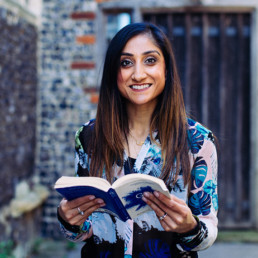
Written by Zahara Chowdhury
Zahara leads on equality, diversity and inclusive education in higher education. She has over a decade of experience in middle and senior positions in secondary education. Zahara is author of Creating Belonging in the Classroom: a Practical Guide to Having Brave and Difficult Conversations. She is founder of the School Should Be blog and podcast, a platform that amplifies diverse and current topics that impact secondary school classrooms, students and teachers.
It’s a Sunday morning—my favourite time of the week. Coffee in hand (with collagen and creatine, of course), I wander around the house while the kids are already asking for ice cream, Lego time, and the TV (yes, it’s only 8am). Usually, this part of the day comes with a little doom-scrolling, some memes, and a few oddly satisfying cleaning videos. But today feels different.
As I scroll, I’m pulled into two completely different worlds. On Instagram, images from Tommy Robinson’s Unite The Nation march flood my feed. The night before, I found myself double-checking the doors and windows—just in case. On LinkedIn, meanwhile, notifications are pinging from the brilliant Anti-Racism Conference, hosted by The Black Curriculum and Belonging Effect. Two events. Same time. Same city. Entirely different realities.
It’s hard to put into words what many of us—especially those who are ‘othered’—are carrying right now. When I speak to friends and colleagues, the feelings range from sadness and fear to resilience, resistance, and even indifference. For me, the world feels both tragic and surreal. I’m tired and frustrated. But I’m also hopeful.
One book that always grounds me is The Courage of Compassion by Robin Steinberg. It reminds us that courage means listening deeply, even to those who are different from us—or against us—and meeting that difference with compassion.
And yet, there’s an uncomfortable truth here. Too often, minoritised communities are expected to model empathy and moral “goodness,” as if our belonging depends on it. That expectation is unfair. Still, when I think about it, many of us would still choose courage, compassion, and calm clarity—because that’s who we are.
Yesterday’s conference reaffirmed why education matters so much in moments like this. Now more than ever, educators, schools, and communities need to unite and connect. This isn’t just about curriculum—it’s about safeguarding, wellbeing, and ensuring every student feels safe, included, and able to thrive.
How Schools Can Respond
Address the elephant in the room.
Some students and staff will feel anxious or upset about the march. Others may feel proud. Many won’t have noticed at all. But silence sends the wrong message. Even if only a few people are directly affected, everyone benefits when schools acknowledge what’s happening.
David Hermitt, former MAT CEO, once told me: teachers, at their core, want to do the right thing. They care about their students and about society. That care means opening the conversation.
You might:
- Share a short message with tutors, acknowledging the march and reiterating your school values—respect, inclusion, safety.
- Create space for discussion, whether through tutor time or optional drop-in sessions.
- Adapt to your context—no one knows your students better than you.
Keep parents in the loop
A simple message goes a long way. Reassure families that student safety remains your priority. Remind them of your school values. Invite them to share concerns—listening to parental voice is valuable, even if it feels daunting.
Harness parental representation
Cultural representation in schools makes a lasting difference. Pamela Aculey-Kosminsky recalls her mum coming into school in traditional Ghanaian dress, sharing food and heritage. My own mum did the same, later becoming a governor. These grassroots connections build community in powerful ways.
Connect with community leaders
Reach out to local faith leaders, organisers, and community champions. They can humanise difficult issues, counter misinformation, and build bridges between groups.
Invest in staff confidence
Staff need space to prepare for conversations around race, politics, and inclusion. It’s not always easy to make room for CPD, but it pays off in the long run—both for teachers and students.
Finding Hope in Difficult Times
The world feels overwhelming: the Unite The Nation march, the ongoing genocide in Gaza, violence in Sudan and Congo, the murder of Charlie Kirk, the sexual assault and attack on a Sikh woman told she “does not belong,” ICE raids, the memory of George Floyd and Sarah Everard. It feels dystopian.
But maybe hope isn’t naïve. On a global scale, things feel broken. But on a local scale, in our schools and communities, we still have power. We can create safe, compassionate spaces, even when the world feels anything but.
If you’re wondering where to start, here are a few resources that can help:
- https://amzn.eu/d/2Y6BY9e (The Diverse Curriculum)
- https://amzn.eu/d/adrYCr5 (Creating Belonging in the Classroom)
- https://amzn.eu/d/h35uFpN (what do you think?)
This is an ongoing conversation and work we need to do collaboratively. If you have any resources or best practice examples, please share them. If you have questions or need support, please reach out—we are here to support, advise, or simply to have a chat.
How Do You Sleep at Night?
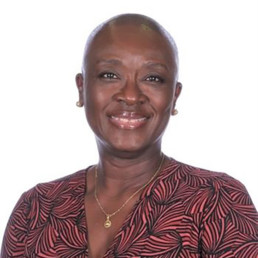
Written by Remi Atoyebi
Remi Atoyebi is an experienced Headteacher and ICF Certified Transformational and Leadership Coach. She is a contributor to The Headteachers’ Handbook and a mentor to over 50 school leaders across the UK. As a leader from a Global Majority background, she is passionate about inclusive leadership, psychological safety, and creating safe spaces for underrepresented voices.
It’s a question I’ve been asked more than once as a Headteacher; sometimes half-joking, other times with genuine curiosity. And it’s a fair question.
Headship is not a role you can switch off from at 5pm.
The decisions you make don’t just affect timetables or budgets, they affect children’s lives, families’ futures, and colleagues’ wellbeing.
The weight of it can follow you home and sit on your shoulders late into the night.
Budgets that don’t add up. Safeguarding concerns that keep you alert long after the working day has ended. Government directives that land with little warning and less thought through, for practicality. Staff who are stretched to their limits. Parents with understandable and sometimes impossible expectations. The list is endless.
Every single day, decisions land on your desk that don’t come with neat answers. Some are uncomfortable. Some are deeply personal. Some are triggering. Some weigh far heavier than others.
So how do I sleep at night?
For me, it always comes back to moral purpose.
Headship is full of noise. There are trends that come and go, policies that feel like they change with the seasons, performance tables that never tell the full story, and the ever-present pressure of the loudest voices in the room.
If you’re not careful, you can find yourself reacting to the noise instead of leading with clarity.
When the noise builds, I strip everything back to two simple questions:
- Does this decision serve our core purpose, or is it just noise?
- How will this decision impact the children?
These two questions have become my compass. They stop me being pulled off course by distraction or pressure, and they bring me back to why I stepped into leadership in the first place.
Of course, that doesn’t mean decisions become easy. Often, the morally purposeful choice is also the hardest one.
It might mean saying no to the “shiny” initiative that looks good on a glossy plan but adds very little to learning. Michael Fullan’s assertion about ‘proverbial Christmas Tree Schools’ comes to mind! Schools that look dazzling from the outside, covered in ornaments and trimmings, but when you step closer you realise the tree itself isn’t strong. The core business of learning has to be robust; otherwise, all the sparkle is just distraction.
It might mean investing in staff development or SEND provision, even if it means delaying something more visible to the outside world. It might mean having a difficult, face-to-face conversation with a colleague because the children deserve better, when it would be far easier to avoid the conflict.
It also means living with the discomfort that you won’t please everyone. Some will disagree with your choices. Some will even question your motives. That’s the nature of leadership.
And yes, I don’t always get it right. None of us do. Headship is messy. There are days I’ve looked back and wished I’d handled something differently. But I’ve learned this: I can sleep at night when I know my decisions were rooted in moral purpose. I can live with mistakes made for the right reasons.
What I couldn’t live with is drifting into decisions made out of convenience, fear, or the temptation to follow the crowd.
That’s the difference for me. That’s how I rest; by holding fast to the belief that our work is about the children in front of us, not the noise around us.
Because at the end of the day, headship isn’t about me. It’s about them; the children whose futures are shaped by the choices we make today.
So, if you are leading a school, a team, or even a classroom, I’d invite you to pause and reflect:
- What’s the yardstick you measure your decisions against?
- When the noise gets loud, what helps you stay anchored?
- And most importantly, how will today’s decision make life better for the pupils?
If we can answer these questions with honesty and courage, we will not only serve our children better, but we will also find our own peace of mind. Because when your choices are rooted in purpose, you really can put your head on the pillow at night and rest.
And that, for me, is the only way to do this job.
What Inclusion means depends on where you are standing…
Written by Michelle Sakande
Michelle Sakande is an Inclusion Specialist, consultant, speaker and the author of Jude the Giant. She is currently the SENDCo at the Arbor School, Dubai. Michelle works across the UAE and Africa to support schools, communities, and policymakers in building equitable education systems. With expertise in special educational needs, assistive technology and inclusive literacy, she blends research-driven strategies with authentic storytelling to inspire change.
Inclusion is one of those words we all use, but we rarely define it the same way. In some parts of the world, inclusion means a child with autism sits in the same classroom as their peers. In others, it means a child simply has access to any education, regardless of ability. For some, it means policy. For others, it’s a prayer or a wish.
The truth? Inclusion isn’t a checklist; it’s a cultural conversation. But depending on where the soil, sand, grass or pavement you’re standing on is, that conversation sounds very different.
Inclusion in Context, A Global Mosaic
In Ghana, a child with learning differences may never be assessed or diagnosed. According to UNICEF, only 8% of children with disabilities attend school regularly and most teachers receive little to no training on neurodiversity. Cultural stigma plays a role too, especially as some families still hide their children due to fear or shame. Here, inclusion often starts not in the classroom, but in the mindset of the community. Across Africa, resources can be stretched, but innovation thrives. In Kenya, low-cost assistive tech is reforming access. In Nigeria, mother led advocacy groups are raising awareness. Still, inclusion is often treated as a charitable act, not a right.
Contrast that with Finland, which is consistently ranked one of the most inclusive education systems in the world. There, early screening, flexible curricula and a zero-stigma approach allows students to receive support before they fall behind. Around 32% of Finnish students receive special education services at some point, not because they’re failing, but because the system adapts to them.
In Singapore, inclusion is more structured, but highly academic. Neurodivergent students may attend special schools or units within mainstream ones. There’s investment, but still a strong cultural preference for high performance, which can leave some children feeling excluded within an ‘inclusive’ system. And in Japan, progress is slow but steady. A 2022 survey showed that only 13% of schools had fulltime special needs support teachers, although social awareness is rising because of advocacy by parents and NGOs.
Even in the UAE, where huge strides have been made in inclusive policy, implementation varies drastically from one school to another. There’s an appetite for change, but real inclusion can’t thrive without systemic accountability and sustained cultural sensitivity.
What does this mean for neurodivergent students?
For neurodivergent students, the definition of inclusion is often felt in small moments:
Is my difference seen as a deficit or a gift?
Am I supported to thrive, or just to survive?
Do I belong here or am I being tolerated?
What is inclusive in Finland may feel isolating in Ghana. What is normalized in Tokyo may be stigmatized in Accra. There is no one size fits all. But there is a shared goal: dignity, access and belonging.
So… What is Inclusion?
Inclusion is the right to participate fully in life at your own pace, with the support you need and the freedom to be your full self. It must be rooted in context, culture and care. It must be flexible enough to honour difference and firm enough to insist on equity. It’s important not to export models that don’t translate… Listen deeply, learn locally and lead with humanity. Because true inclusion doesn’t start with policy. It starts with people.
What I’ve Learned About DEI and Education Since Founding Inclusion Labs
Written by Temi Akindele Barker
Temi Akindele Barker is the founder of Inclusion Labs, an organisation dedicated to amplifying every voice and co-creating a more inclusive future by using data as a foundation for change. Inclusion Labs partners with schools to gather, share, and activate insights from DEI surveys, driving meaningful and measurable change. Temi began her career as a consultant in Legal Executive Search, working in both the UK and internationally. She led senior teams serving US and UK law firms as well as financial institutions, helping local and multinational clients achieve their strategic goals.
Over the past few years, I’ve worked with schools across the UK (and beyond), collecting unfiltered experiences from every stakeholder – students, parents, staff, and leadership. We gather data across race/ethnicity, gender, sexual orientation, religion/belief, socio-economic status, disability, and more. No shortcuts. No hierarchy of oppression. It’s been eye-opening. Often heartbreaking. Occasionally enraging. Frequently hopeful. Always necessary.
Here’s some of what I’ve learned:
- Truth hurts. But it’s the only way forward
The flurry of statements after BLM and Everyone’s Invited felt urgent, but many faded fast. I’ve seen the sector swing from apathy to panic to action and back again. DEI work can’t solely be reactive. It must be rooted in truth, which is uncomfortable but essential. You can’t solve what you don’t understand. You can’t challenge what you don’t even know to question. You have to invite the conversations in (especially when uncomfortable) and create space to listen and learn. If you’re afraid to know the truth about your school’s culture, you’re not really being inclusive. - Passion > £££
Most school DEI leads have no budget. Many don’t even have ring-fenced time. What they do have in spades is passion and purpose. Some come from marginalised backgrounds, and most carry a personal “why.” It’s often a lonely, thankless task, yet they keep going. In our recent report, 20,000+ voices were gathered, supported by fewer than 30 DEI leads. Let that sink in. This work is fraught with differing opinions, often delivered unkindly. Yet these leads show up, time after time, with care and courage. They embody: it doesn’t have to happen to you for it to matter to you. - There’s joy and pain in having inclusion in your name
I named our organisation Inclusion Labs, and meant it. But it carries weight and expectations. “You call yourselves Inclusion Labs; you should have X as an option.” People assume your politics, your beliefs. Sometimes, you’re the only one in the room who sees the full picture. This work means accepting that you can never fully capture all the ways in which communities are diverse. And more importantly, it is not our job to decide whether someone’s identity is valid.
We are not here to judge or politicise – our role is to reflect back to schools who their community says they are right now. That comes with challenges. We might exclude someone by not including a category they feel represents them. Or offend someone else who believes listing too many categories is fundamentally wrong (“Why does sexual orientation have eight options?”)
But our job isn’t to gatekeep identity. It’s to hold space for both. And yes, that might mean someone gets offended. - Everyone must have a say. Even the ones you wish wouldn’t
DEI isn’t about echo chambers, so we don’t censor. We share every insight with schools – good, bad, ugly, bigoted. We’ve heard testimonies that are beautiful, funny, painful, hopeful, and some that are outright offensive. Everyone having a say means… everyone has a say. Some comments I’ll carry with me for life. Some made me laugh out loud (high five to primary students). Others made me cry with heartbreak. Doing this work has made me cry more in the past few years than in all the previous ones combined. I’ve said it once, I’ll say it again – doing this work, you see the best and worst of humanity. - Yes, there are (racist, homophobic, ableist…) teachers
Let’s just name it. Schools are a microcosm of society – they hold its brilliance and its bias. So yes, there are bigots in schools. It’s uncomfortable to admit. And yes, it’s disorienting to realise these individuals are tasked with teaching and supporting children. Sometimes you wonder: who among us is that person? But often the worst attitude comes from parents (who also choose to share views that are racist, homophobic, ableist…). Even inclusion surveys spark outrage – “Are you indoctrinating our children?” What they – in fact all of us – need to accept is that at any given moment, there might be one person that needs this work to be done – whether it’s for support, for correction, or for education (staff and parents included). - You will fail. You’re allowed to fail.
We need to stop demanding perfection. Schools aren’t DEI think tanks. They are made up of teachers trying to do their best with limited time, budget, and under incredible pressure. They will get it wrong. And that’s okay. We shouldn’t demand perfection – just passion and determination. Effort. Commitment. Willingness. That’s all we should ask. This work isn’t about perfection. It’s about progress. And mistakes will happen. We need to stop weaponising mistakes and start using them to fuel better choices. Because when a school gets it right, the wins feel that much better. - Same same, but different
Are the issues really that different from school to school? No – and yes. Same issues, different proportions. Every school has racism. Every school has sexism. Every school has kids struggling with identity, belonging, being “othered.” The difference lies in what schools do or have done with those truths. Our recent report highlighted the 15 most pressing themes from stakeholders themselves (what mattered most to them). Most schools will attempt to address some or all of them, but to varying degrees and success. - Sometimes you need to get out of the way
Those with lived experience: your voice matters. But anger (while valid) can create fear. And fear kills progress. If everyone’s too afraid to speak or try, if no one’s willing to step forward or take a risk, nothing changes and no one moves forward. Sometimes, we need to turn our pain into possibility and let clarity, not chaos, lead the way. - Sometimes it’s just a distraction tactic
Once at a school session, I told an anecdote about a maths teacher who asked if DEI work applied to them. They felt that certain subjects naturally fell under this area (English, History, PSHE) but they could not see this so clearly for their subject. I will not bore you with the details of our conversation, but needless to say, I shared this story to make the point that DEI is not reserved for English or PSHE. But I later heard that some maths teachers felt personally attacked, as they felt it positioned them as lacking empathy. A landmine I didn’t see coming. Dare I say, ridiculous to the fullest extent – and designed to be just that: a distraction. (And for clarification – maths teachers have empathy). - DEI awards are (mostly) nonsense
Let’s be honest: a lot of DEI awards are performative. Some are paid-for nonsense. I’ve had countless offers with no real understanding of our work – for a small fee, of course! If you want validation as a school? If you need to know who you can trust to do the work and do it well? Then word of mouth, every time.
Finally…
Inclusion is never about just schools. It’s always been about society. If we can embed inclusive values, attitudes and behaviours in our school communities – from 5-year-olds through to governors – then we stand a chance at changing the wider world. This sector has more work to do. So, continue listening. Continue telling the truth. Refuse to shut up. Keep calm and carry on.
Beyond Burnout: A Leadership Framework for Wellbeing That Lasts

Written by Morgan Whitfield
Morgan Whitfield is an experienced senior leader and professional development consultant who advocates high-challenge learning. Morgan hails from Canada and has taken on such roles as Director of Teaching and Learning, Head of Sixth Form, Head of Humanities and Head of Scholars. Her book Gifted? The Shift to Enrichment, Challenge and Equity, reframed “gifted” education as a mandate to provide enrichment and challenge for all students. She is a passionate advocate for equity in education, a BSO inspector, radio show host and mother of three brilliant little ones. Morgan has worked with schools across the Middle East, Asia and the UK and currently lives in Vietnam.
As the academic year draws to a close, the school finally exhales. The corridors fall quiet, the calendar clears, and the pace begins to slow. After weeks of farewells, final reports, and frantic last meetings, we find ourselves in that strange stillness that follows a year lived at full speed.
It is often in this moment, when the adrenaline fades, that exhaustion catches up with us. For many educators, the end of term is not a time of celebration but of sheer survival. Burnout is not a new conversation in education. But it is a necessary one.
This year, I have been reflecting deeply on what it really means to see the wellbeing of our colleagues. Not just to discuss workload, have a yoga session or introduce a mindfulness app. But to truly notice, reach out, listen, and build the kind of trust that allows people to say when they are not okay.
Wellbeing is not a side project. It is the foundation of a thriving school culture.
Next academic year, I intend to embed this belief more intentionally into my leadership practice. This wellbeing framework is drawn from conversations with colleagues, coaching reflections, and lessons learned the hard way. Some of these actions are already part of how I lead. Others are areas I am actively working on. All are grounded in the kind of leadership I want to grow into.
-
Leading with empathy and emotional intelligence
Empathy begins with presence. It is in the quiet pause after a difficult meeting, when I stay behind and ask someone how they are really doing. It is in recognising when a team member needs flexibility, not pressure. I try to stay attuned to how people are feeling and what might be unsaid. I want to respond not with assumption, but with understanding. I am also working to become more intentional about recognition, regularly pausing to acknowledge small wins and show appreciation. Next year, I want to make even more space for human-centred conversations, and to ensure equity drives not only what we do but how we do it.
-
Being present, accessible and action-oriented
I have learned that presence is more than visibility. It is about showing up fully. I try to be there, at the door of a classroom, in the staffroom, or at a team meeting, with my attention undivided. I have become more conscious about setting aside time to listen, and I want to keep improving how I respond to feedback. Next year, we need to have more staff-led initiatives and co-designed solutions, and I have seen how much more sustainable change becomes when people feel they helped shape it. Going forward, I want to be more systematic in how I gather and act on voice, and ensure the ‘follow-through’ feels as visible as the listening.
-
Communicating with clarity and sharing ownership
In a busy school, unclear communication adds unnecessary stress. I try to communicate as clearly and purposefully as I can, especially in briefings, strategy updates, or leadership meetings. But I know I still have room to grow here. Next year, I want to slow down and explain the ‘why’ more consistently, not just the ‘what’. I also want to keep improving how we invite staff voice at every level- not as a token gesture but as a core part of how we work. This means involving people earlier, making consultation processes more open, and building time into systems for shared thinking and collaborative planning.
-
Building trust through connection and collaboration
Trust is built through consistent, respectful connection. I have seen the difference it makes when I show up in coaching conversations with genuine curiosity rather than judgment. When I take time to listen deeply in difficult moments. When I share vulnerability instead of hiding behind expertise. I want to do more to create spaces for collaboration across teams and roles, and to help people feel psychologically safe enough to speak openly, disagree productively, and show up fully. Trust, I am learning, is not built through grand gestures but in the quiet, daily actions of relational leadership.
A Hopeful Pause
For now, I am grateful for the pause of summer. For the chance to breathe, reflect, and recalibrate. I remain committed to returning with purpose, to help shape school cultures where people feel seen, valued and sustained. Our wellbeing matters, not only for ourselves, but for the young people we serve. Schools should be built on the foundation of empathy, respect, and heartfelt connection. When leadership is infused with genuine humanity, transformative change naturally follows.
A Leadership Framework for Wellbeing
- Lead with empathy and emotional intelligence
Leadership should be emotionally attuned, grounded in empathy and emotional awareness.
Decisions are made with understanding, not assumption.
People are recognised, celebrated, and treated as individuals, not just roles.
Human-centred decision-making is a priority. - Be present, accessible, and action-oriented
Leadership is visible, present, and willing to pause.
Feedback is a dialogue, actively invited and used to co-create solutions.
Input leads to action, with clear follow-through.
Diverse voices are included and valued in every stage of decision-making. - Communicate clearly and share ownership
Communication is honest, purposeful, and transparent.
The ‘why’ behind decisions is always shared, not just the ‘what’.
Clarity is prioritised to reduce ambiguity and confusion.
Staff are meaningfully involved in shaping the path forward. - Prioritise connection and trust
Support takes precedence over supervision.
Connection, collaboration, and trust are woven into leadership practice.
Safe spaces are created where staff can bring their whole selves to work.
Wellbeing is not an extra, but a foundational lens for leadership.
Resources:
Wellbeing is being seen, heard, valued and invited
https://docs.google.com/presentation/d/1-8kWq-RrI44o7pFkfhbWExLe8FvcKbjIwO2RGmaOiJ0/edit?usp=sharing
Two faces of a coin
Written by Umara Qureshi
Umara Qureshi is a passionate and values-driven Head of School with a proven track record of securing strong outcomes across a range of settings—including the successful launch of a start-up school. Deeply committed to equity, inclusion, and social justice, she believes in the transformative power of education to change lives. Umara leads with integrity, fosters cultures of high expectation and belonging, and champions staff development, pupil voice, and ambitious opportunities for all learners.
Growing up as a British ethnic minority girl in south east England in the 1990s, I was oblivious to my dual nationality, my ethnicity being a minority and that I essentially lived in two different worlds.
And it was with great ease that I transitioned from one world to the other. I was able to behave according to the expectations of the community I found myself in and it was absolutely natural to adapt etiquette and lifestyle. Being able to adjust and adapt into two contrasting cultures and societies was automatic. It was absolutely normal to have two identities. It was and is so easy to switch either on or off or fuse the two together. And I believe that is the beauty of having two faces to a coin.
During adolescence, I was lucky enough to be around peers from a similar background. My culture was accepted. As teenagers, I explored and shared cultures with my friends from different ethnic backgrounds and we celebrated our identities. It was normal for us to be different. I think that’s the beauty of growing up in Luton. As I grew up, there were more cultures I was exposed to. It was lovely just meeting them and getting to know them, and sharing our cultures and celebrating our differences.
The ease of social and cultural fluidity became a burden as the issue of identity and the social pressure increased into adulthood. And I don’t think that’s inevitable. I think it’s perceptive. Social media is the greatest platform for people to express their identity issues and exposure to such material festers insecurity. Movies like ‘Bend It Like Beckham ‘ exacerbate identity crises as they focus on the dilemmas that not belonging to one culture can create and portray it as a hindrance. It loudly suggests that holding onto traditional culture will hold girls back from fantastic careers. This is untrue and an injustice to ethnic minorities. Unknowingly you develop a perception of having the same inferiority that others express, regardless of your own experiences and successes. I only realised how I feel about these portrayals when I watched it with my daughter and saw the seeds of identity crisis being sown with adult eyes. The need to impress, be like others around and the desire to not be different becomes prevalent and feeds the identity issue.
I was lucky enough to have many role models giving me the confidence to continue celebrating my ethnicity, nationality and culture but I met lots of people from the same background as me, who weren’t proud of it and who didn’t like it. I even know people who say that they have no ethnicity and they don’t consider themselves to have any ethnicity. I can’t pretend that I didn’t feel the burden and pressure too. The pressure to be the same as others puts doubts in your mind and it makes you think that you’ve drawn the short straw because you face challenges around your identity. Feeling as though you don’t fit in with people around you and you are looking at one particular group and wondering why you couldn’t have just been like them so that you didn’t have to face these challenges. However, I believe that we’re very lucky to have two sides. The beauty of being British Asian, is that you’ve got a double identity, you’re not two halves. I think that’s looking at the glass being half empty, when in fact, the glass is doubly full.
The greatest assumption that people make is that all British people lead the same lifestyle and that’s not true. Within British communities, individuals do not all do the same things. And there is not an expectation for every British person to fit a stereotypical, specific lifestyle to be accepted or successful. I believe that this is the biggest misconception. Even if you do not do things in the same way as others around you it does not hinder you in leading a successful life.
The key points for me are that we have additional lifestyle choices, lifestyle events, skills, languages, culture, processes, emotions, personal family links and social attributes stemming from our ethnic background that enhance us as people and do not limit us.
We have our ethnic background and we also have a British background. We can pick, choose, fuse and innovate. So we’ve got more to our lives, not less. Having these two identities has doubled our life experiences, not halved it. We’re not torn between two worlds, we are spread across two worlds. Not everyone has this option. It is an existence to celebrate, not to be conflicted about. We shouldn’t be conflicted. We should recognise that we do have more to offer. We have a lot more to offer as we’re always steering the way on this newly paved pathway and balancing the vast knowledge, experience, pleasures, perks, broad mindedness, inclusivity and diversity. We need to recognise the potential that we have. Stop being a coin with two faces, embrace your potential and become three dimensional.
We have greater potential being multi-faceted. Having this rich ethnic / nationality is a combination that makes our life doubly wholesome.
The empty deserts sun scorched surface
In the moonlight is tormented by a cold menace
How blissful the union of the sun and moon could be
The immense respite and relief it could bring
The vibrance of the butterfly is unknown in the cocoon
Emergence from confinement allows the beauty to bloom
How proud, bold and brave it has to be
Its display and its presence makes the natural world sing
Reflections on an Unseen Mind: Rethinking Education Through a Neurodiverse Lens
Written by Angel Hinkley
Mathematics Teacher & facilitator of the Anti-Racism Society at Drumchapel High School.
Just finished watching Jamie Oliver’s programme on dyslexia, and I’m left with so many thoughts—questions buzzing in my mind, especially as someone who is dyslexic myself. These questions feel so fundamental — yet perplexingly remain on the periphery of our educational discourse.
Why, truly, is early diagnosis not treated as an absolute, non-negotiable priority? What kind of training will teachers actually receive—training that helps them recognise dyslexia, nurture different minds, shift their understanding, reshape their approach, and see the brilliance beneath the difference? Who writes these programmes? Who decides? And crucially—will any of the architects have walked this path themselves, peering through the same fog, navigating the same hidden gaps?
Before I started school, I felt… normal. Confident. My dad said I knew my own mind. I was curious, chatty, and bold. Part of growing, of course, is the necessary challenging of that self-assurance, a healthy friction. But what awaited me was not friction, but an unhealthy shift, a fundamental reordering of my landscape that would cast long, often difficult, shadows.
The first chill of difference settled in a primary school classroom. Something about the learning – the way letters danced, the way sounds refused to anchor themselves to symbols – felt intrinsically wrong. I’d just been given glasses, and I recall my father’s anxious voice, wondering aloud if these new lenses were the problem: “My daughter has turned thick!” Harsh words, yet spoken not in cruelty, but in the fear of a parent watching his child struggle, change, her spark dimming and not knowing why.
My dad sought answers at a specialist centre. I remember the tests vividly. Not the content, but my desperate strategy: to outsmart them. To answer not as I would, but as I imagined a ‘normal’ person would. I didn’t want to be me. And then came the diagnosis: dyslexia. I felt it. Deeply. They told my dad that the good news was I had worked so hard in the tests, I might one day be “average.”
Average.
The consolation? That the effort I’d exerted in trying to conform was ‘outstanding!’ With such effort, they predicted, I might one day become ‘average’! I knew that ‘average’ was no comfort to a father’s hopes. I felt broken and flawed. The implication was clear: my inherent way of thinking was a deficit, my ‘normal’ was unacceptable, and the highest aspiration offered was mediocrity measured against a standard I could never truly meet. What I didn’t yet understand was that I was navigating not my own failure, but the failure of a system that couldn’t see me.
But that very day, my dad turned it into joy. We did what Londoners, rushing headlong through their own lives, so rarely do: we became tourists in our own city. We paused before landmarks we’d never really seen—Parliament, the Tower, the Thames, the Changing of the Guard, St Paul’s with its whispering galleries. To this day, I still love to go there, with such fond memories in my mind—fun, love, comfort and self-assurance; forever etched my heart. It was, I think, the seed of the resilience I would come to need. Because school didn’t get easier.
The remaining primary years unfolded with a particular kind of quiet humiliation. My books contained few words—simple stories, devoid of the depth that excited my curious mind, hidden under the desk in shame. I was taken from the classroom for ‘special lessons’, but I couldn’t tell you what I learned—only how it felt to leave the classroom: different, embarrassed.
Education became a world where I was perpetually misunderstood. Learning was relentlessly dumbed down. Later choices only compounded the frustration: English Literature was replaced with Typing (a cruel irony for any dyslexic!), and Classical Studies replaced Latin — a subject I now realise could have helped me, through the understanding of word structure and roots: morphology.
Dyslexia, I have come to understand, is complex. It is, fundamentally, a different way of learning. It is also, undeniably, a disability. Even typing that word, owning it, is hard. I say it with reluctance. Mainly because of the world’s ongoing inability to understand it without seeing it as something lesser. People still judge.
But the truth is, navigating the world through a different lens brings unique strengths. And yet, within our education systems, we remain anchored to the standard measure.
It’s taken me decades to learn that some of my struggles—like not hearing certain phonetic sounds—were neurological. I’ve had my hearing tested countless times. Turns out, it wasn’t my ears—it was my brain. No one told me that. I found out from a documentary. If diagnosed early, those sounds could’ve been taught, reshaped in my brain’s formative years. That early window—so often dismissed—matters. It could have spared the burden I carry every day.
For me, this auditory gap is profoundly disabling. Because when you can’t hear a sound properly, you can’t pronounce it. And when you can’t pronounce it, you can’t spell it. The cycle repeats.
Correction becomes constant—and even well-meaning correction starts to sting. Sometimes, the correction offers a fleeting clue. Mostly, it washes over me, leaving only a residue of quiet despair. Negative thoughts creep in. Do they think I simply wasn’t paying attention? Do they think I’m stupid? Beneath the surface lies a persistent whisper: I am stupid. I know I’m not. But feelings rarely ask permission from logic. It reinforced that deeper feeling of a system not seeing me. Only my mistakes. I mask it well, most people would never guess.
Yet, amidst these shadows, glimmers of hope emerge. Remarkable work is being done—work that focuses not on forcing the dyslexic brain into a neurotypical mould, but on teaching it in the way it learns best. I’ve discovered morphology— the structure, origin, and meaning of words. Learning to break down words into roots, prefixes, and suffixes has eased the burden of spelling and pronunciation. It’s been a quiet revelation. As an adult, time is limited, and progress is slow but undeniable within the safety of my own home. But out in public, where my confidence falters, the words still come out wrong. Had this been the way I was taught in school, it would have ignited my mind and my pronunciation and spelling would have improved.
I also discovered SQR (Survey, Question, Read) —a structured strategy to navigate dense texts. First, you survey the text (titles, headings, summaries). Then you question—what do I want to learn? Finally, you read actively to find key ideas. This gives reading structure and purpose—an intellectual pathway I wish I’d known earlier.
How many classrooms teach strategies like these? How many teachers even know they exist—or are given the time to explore them? What else is out there, still undiscovered?
The concept of “mixed abilities” feels ripe for reimagining. It shouldn’t merely be about different paces on the same track, but about genuinely exploring how we learn differently, how our diverse strengths can weave together to create a richer understanding. It should expand our notion of intelligence, not constrain it.
I work with many neurodiverse young people, including those who are autistic, those with ADHD, and those whose paths diverge from my own. Each day, their unique lens on the world — their capacity for empathy, their brilliant insights — deepens my understanding — my passion for life. I listen. They teach me how to teach. They show me how wide the world truly is. Yet I, too, must navigate it—stuck within the rigid constraints of education itself. And it’s a constant balancing act. But I see the cost. I see the toll it takes on these young people—the strain on their mental health, the erosion of their resilience, the crushing weight of perfectionism; a common trait in those who feel they don’t belong but are desperately trying to. The fear of imperfection is ever-present.
I hear the echoing mantra of ‘raising attainment.’ And then I think of what Jamie Oliver’s programme reminded us: we, the neurodiverse, make up around 25% of every classroom. One in four. That’s not a problem to be fixed. That’s a revolution waiting to happen. And still… we lose too many. Bright minds stranded on the shores of a curriculum that never saw them. Children who think they are broken, simply because the mirror they’re shown is cracked and narrow. I see it and feel it in them.
And what is attainment measured by? Tests designed for neurotypical processing? By curriculum that value rote learning over deep structural understanding or creative insight?
So, I write this for them. For the children still sitting in classrooms thinking they are less. For the educators who are trying—but feel unsure, overwhelmed, or simply don’t have the time to learn and explore. For the architects of future programmes: please, build with us, not just for us.
We are not broken. We are not failed versions of a system that was never built for us. We are different minds, with different strengths, waiting not to be fixed, but to be seen.
The Hidden Wounds of Leadership: When Strength Becomes Survival
Written by Remi Atoyebi
Remi Atoyebi is an experienced Headteacher and ICF Certified Transformational and Leadership Coach. She is a contributor to The Headteachers’ Handbook and a mentor to over 50 school leaders across the UK. As a leader from a Global Majority background, she is passionate about inclusive leadership, psychological safety, and creating safe spaces for underrepresented voices.
As one of just a handful of leaders from a Global Majority background in the area I serve, I’ve had to do more than lead a school. I’ve had to build trust from the ground up, raise community aspirations, and create a sanctuary of belonging for children who had so often been left behind. Publicly, I was praised. Data climbed. Headlines followed. People saw progress.
But what they didn’t see was me.
They didn’t see the toll it took: emotionally, mentally, physically, to keep showing up, every single day, as the “strong one.” The “resilient” one. The one who could weather it all. Behind the applause, I was slowly falling apart.
As a Black woman in leadership, I became an expert at navigating systems that were never designed for me to thrive in. I wore the armour of excellence because I had no choice. I bore the weight of expectation, not just professionally, but culturally: the silent pressure to prove, to represent, to protect. I was leading a school, yes. But I was also holding up the dreams of my community, the pride of my family, and the unsaid duty to never falter.
Then one day, my body gave in. I was taken by ambulance from work to A&E. I had suffered a Transient Ischemic Attack (TIA): https://www.nhs.uk/conditions/transient-ischaemic-attack-tia/ and soon after, I was diagnosed with Post-traumatic stress disorder(PTSD): https://www.nhs.uk/mental-health/conditions/post-traumatic-stress-disorder-ptsd/overview/
These events were not from one tragic moment, but from the relentless drip-feed of stress, microaggressions, harassment, racial trauma, and systemic pressure that had compounded over years.
The trigger was one parent’s sustained harassment over two and a half years: sometimes emailing up to three times a day to make unnecessary demands, engaging in attention-seeking behaviours, inciting other parents, and making incessant reports to the Local Authority Designated Officer (LADO), Office for Standards in Education, Children’s Services and Skills (OFSTED), the Teacher Regulatory Agency (TRA), and the Information Commissioner’s Office (ICO).
I had been leading while bleeding.
This is what we don’t talk about enough. The unspoken cost of being the first. The only. The one expected to be everything to everyone. For many Black women in leadership, success often comes wrapped in loneliness. We carry the school, the staff, the children, their families and then we carry what no one else sees: the barbed comments, the subtle exclusions, the extra scrutiny.
Over time, I’ve come to name this for what it is…structural neglect. Not always overt. Not always intentional. But neglect nonetheless: of our wellbeing, our emotional safety, our humanity. Mental health services are not culturally competent. DEI work barely scratches the surface. And leadership frameworks rarely account for the invisible labour of navigating bias and battling stereotypes.
The Equality Act 2010 lists both Race and Disability as protected characteristics. But where was the protection when I was unravelling from the inside out? Where were the policies that acknowledged the trauma of ‘performing strength’ in the face of constant pressure? Where was the care for leaders like me?
And let’s talk about race and mental health. Black women are less likely to be referred for therapy, more likely to be misdiagnosed, more likely to go unheard. (https://www.mind.org.uk/information-support/tips-for-everyday-living/racism-and-mental-health/#HowRacismCanAffectYourMentalHealth).
In leadership, the expectation to remain poised and polished becomes a ‘prison’. We silence our needs just to be seen as competent and effective.
So, how do we disrupt this?
We start by telling the truth. We say out loud that leadership takes a toll. We give permission to ourselves and others to feel, to pause, to say “this is too much.”
We embed trauma-informed approaches not just for children, but for the adults in our schools, especially those living through racialised experiences. We make room for healing. For culturally competent therapy. For coaching that holds space rather than just drives outcomes.
We must let go of the myth that strength means silence, and in its place, we embrace a deeper truth that vulnerability is not weakness, it is wisdom. It is the path to healing, to connection and to lasting change.
I’m still healing. I’m still learning how to lead without sacrificing myself. Still untangling from a version of success that asked me to shrink, to be silent, to disappear. But no more. From here on, I will be leading differently: to protect my health, my wellbeing and ultimately, my life.
And if my story does anything, I hope it reminds someone, maybe you, that you are not alone. That leadership must never cost you your health. That you don’t have to break to belong and succeed.
Leading with Heart: Why Humanity Belongs in Leadership
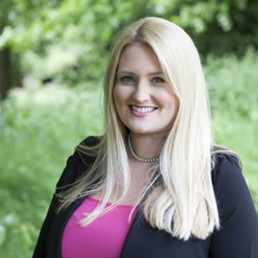
Written by Sarah Mullin
Deputy Headteacher and EdD student
When Chancellor Rachel Reeves appeared tearful during Prime Minister’s Questions, it became national news. Speculation followed. Some questioned her professionalism. Others expressed empathy. But what if her emotion wasn’t about weakness or pressure — what if it simply showed that she cared?
We may never know what Reeves was feeling, and that’s not the point. What matters is how society responded. In contrast, when Prime Minister Keir Starmer’s voice cracked with emotion moments earlier, many praised his sincerity. The double standard reminds us that we still judge emotional expression differently in men and women — and that’s something schools have the power to change.
In my doctoral research with women secondary headteachers, many shared the pressure to appear composed at all times. One told me:
“I’ve learned to hide my emotions because if I show them, people assume I’m not coping.”
Another said:
“I care deeply about my staff and pupils. But there’s still a sense that to be respected, you have to be hard.”
This expectation isn’t just unfair — it’s limiting. When we reduce leadership to stoicism, we ignore the relational skills that make leaders truly effective: empathy, emotional intelligence, and care.
That’s why these public moments of emotion matter. Because our young people are watching.
Girls need to see that leadership doesn’t require hiding your feelings or shrinking your identity. That you can be strong, successful, and still be yourself. And boys need to see that care and vulnerability aren’t weaknesses — they are part of responsible, emotionally mature leadership.
In schools, we have the chance to model a broader, healthier version of what leadership looks like — not just in what we say, but in how we lead. Staff and students alike benefit from environments where humanity is welcomed, not hidden.
Let’s create a culture where showing heart doesn’t undermine leadership — it defines it.