
The Importance of Accessibility in Schools for Pupils and Staff

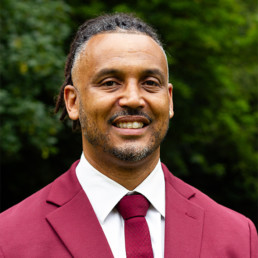
Written by Steve Morley
Stephen Morley, (He, Him). Member, The Institute for Equity. Member, International Association of Accessibility Professionals.
Accessibility in schools is more than just ramps, lifts, or larger print—it’s about ensuring that every pupil and staff member has equal opportunities to learn, teach, and thrive. An accessible environment removes barriers, both physical and digital, and fosters inclusion across the entire school community.
For pupils, accessibility means being able to participate fully in lessons, activities, and social life. Whether through assistive technology, adapted resources, or thoughtful classroom design, accessibility helps ensure that no child is left behind. It gives every student the confidence to contribute, grow, and succeed.
Recently my team and I carried out one of our accessibility building audits at the amazing The King’s School, Canterbury.
It was a pleasure to welcome a new member to our accessibility audit team in Abi James-Miller
Abi brought her lived experience as a visually impaired person and provided considerable insights into utilising AI and innovative technology to enhance the teaching and learning experience in schools and colleges.
Together with our regular team member Bryan, who is a wheelchair user, we were made incredibly welcome as we visited this wonderful historic school.
It is brilliant to see Kings so engaged in striving for inclusion. Working with us to identify barriers, physical, sensory, and physiological and ensuring that pupils, and visitors are made welcome and feel included.
For staff, accessibility matters just as much. Teachers and support staff who face barriers—whether due to mobility, hearing, vision, or neurodiversity—need inclusive workplaces that allow them to perform at their best. This not only supports their wellbeing but also enriches the school by valuing diverse perspectives and talents.
Ultimately, accessibility benefits everyone. When schools commit to designing inclusive environments, they create cultures of empathy, respect, and fairness. This isn’t just about compliance with regulations—it’s about building communities where everyone belongs and has the chance to reach their potential.

Whose Values Are They Anyway?
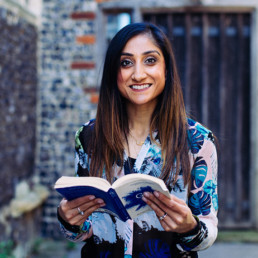
Written by Adrian McLean
Ambassador of Character, Executive Headteacher, TEDx Speaker, BE Associate Trainer & Coach, Governors for Schools Trustee, Positive Disruptor
This blog is based on a provocation I gave to the Practical Wisdom Network to the question of “Whose values are they anyway?” I approach the provocation through the character lens of practical wisdom.
Walk into any school or scroll through a Multi-Academy Trust’s website, and you’ll see them: Respect, Aspiration, Ambition, Integrity, Courage. Neatly framed, laminated and polished like a branding exercise.
But a question should haunt us: Whose values are they anyway? Who decided that these specific words should shape the daily culture, decisions and futures of an entire community? To answer this, we need to understand the difference between values and virtues and, most importantly, the practice of practical wisdom.
Practical wisdom isn’t just book smarts; it’s life smarts. It’s the ability to do the right thing, at the right time, in the right way, balancing rules with humanity. It’s the skill of making good decisions in messy, real-life situations – choosing what’s good, right, and true, not just what the rulebook says.
Values are the principles we declare we hold, like claiming to value our health. But virtues are the habits that make those values real. If health is the value, then virtues like self-discipline, perseverance, and temperance are what turn it into a daily practice. Self-discipline is choosing a walk over crashing out on the sofa; perseverance is showing up to the gym on the days you just don’t feel like it; temperance is enjoying food without swinging into excess. Put simply: values are what we say, but virtues are how we live, especially when it’s difficult.
Who Decides?
In practice, values are almost always handed down. A trust board. A group of senior leaders. Sometimes, one headteacher with a vision. But how often do we invite students, families, or associate staff into the process? How often do we open the doors to the community whose children will live with the weight of these words? Too rarely. Values are often written in a room by people who will not face their consequences. If that doesn’t unsettle us, it should.
Take, for example, “British Values.” They didn’t emerge from a national conversation; they were written into statutory guidance in 2014 following the “Trojan Horse” affair in Birmingham schools; a moment laced with political anxiety about extremism, identity and belonging. They were less the fruit of civic reflection and more a defensive assertion of national identity.
When one-size-fits-all national values are imposed on a plural, multicultural nation, the risk is that they flatten nuance and erase lived realities.
- What does “democracy” mean to a young person who has never seen their community represented in positions of power?
- What does “rule of law” mean to families who feel over-policed yet under-protected?
- What does “individual liberty” mean when opportunity is unevenly distributed and discrimination silently closes doors?
- What does “mutual respect and tolerance” mean when some identities are merely “put up with” (not representing the true meaning of tolerance), not celebrated or centred?
From a DEIB perspective, this is not neutral ground. British values often land less like a common commitment and more like a top-down script. Practical wisdom reminds us that to live well in community is not about repeating someone else’s script but cultivating the virtues to navigate complexity, difference and difficulty with integrity.
Values vs. Virtue
Aristotle taught that true flourishing wasn’t about abstract ideals but about virtues embodied in practice. As philosopher Alasdair MacIntyre notes, a value on the wall is just a word. A virtue lived out is a habit formed through struggle and character.
Integrity isn’t a poster; it’s the painful choice to tell the truth when it would be easier to conceal it. Empathy isn’t a slogan; it’s the practiced attention to the quiet child in the back row who carries the weight of the world. Without virtuous practice, values are just advertising, not meaning.
What’s Good, Right, and True?
Schools often claim they are places where children learn what is good, right, and true. But these words are slippery. What counts as good for one community may not for another. What is right in an affluent suburb may not be in a town hollowed out by unemployment. And truth, let’s be honest, is never neutral. Curricula are choices. Discipline policies are choices. Definitions of success are choices. Those choices reflect particular cultural and political traditions, not universal truths.
This is why DEIB cannot be an “add-on.” If our values exclude or silence the lived experiences of children from different racial, cultural, religious, or socioeconomic backgrounds, they are not values. They are exclusions dressed up in nice fonts. Belonging is not assimilation into someone else’s values; it is co-creating values that are genuinely shared.
Flourishing. Defined by Whom?
Too often, the system narrows flourishing to one measure: exam results. Grades are the currency of human worth, but here’s the paradox: the system itself is designed to prevent everyone from “succeeding.” Significant numbers of children will always be labelled “below standard” because that’s how exams are normed. The Department for Education’s media guidance is instructive:
- If results go up, its proof policy has raised standards.
- If results go down, its proof policy has raised standards.
A neat trick. But let’s be clear: nobody becomes better at maths simply by sitting a harder paper, especially if they ‘fail’ it. Yet this is the frame in which “flourishing” gets defined: harder benchmarks, narrower outcomes, national straplines.
So if flourishing is defined only by grades, or boxed into compliance with a centrally imposed set of British values, then flourishing is not about children at all. It is about alignment and fitting in. It is about living up to someone else’s story of what counts as good, right, and true.
That is not flourishing. That is conformity.
Pathways for Co-Creation
So, what is the alternative? Practical wisdom points us toward a different path:
- Co-creation with communities: Values forged through dialogue with students, parents, staff, and local voices; not handed down as final.
- Virtue in practice: Schools embedding habits of integrity, courage, empathy, and service in daily routines and structures; not as posters but as pedagogies.
- Flourishing as dignity and contribution: Schools are judged not only on exam results but on how their students leave with the capacity to live lives of meaning, purpose, and contribution to the common good.
- Local nuance, national honesty: Acknowledging that “British values” are not universal values, but one political frame; opening space for communities to shape how values are lived in their context.
The Dare
So here’s the provocation: Whose values are you really living by?
- Are they values chosen in Whitehall and laminated in your corridors?
- Are they values written in a boardroom and handed down like policy?
- Or are they values forged, tested, and lived in the daily practices of your community?
The dare is this: stop treating values as safe branding. Start treating them as dangerous commitments. Dangerous because they demand something of us. Dangerous because they unsettle power. Dangerous because they might actually make our schools places where all young people, not just the ones who fit the script, can truly flourish.
I’ll leave you with the question, not as comfort, but as a challenge:
Whose values are they anyway? Are you ready to change the answer?
Celebrating ESEA Heritage Month: Building belonging for every student – and why it matters right now

Written by Yasmina Koné
Yasmina is Deputy Lead of Hemisphere Education, a multi award-winning platform improving racial and cultural literacy in schools. She’s spearheading Hemisphere’s adoption in the UK, building partnerships with leading schools, education partnerships and multi academy trusts. Prior to Hemisphere, Yasmina held senior roles at one of London’s top 10 start-ups, Beam, and Magic Circle law firm Clifford Chance. Profiled by the BBC and The Lawyer, her work has also led her to speak in Parliament. She combines strategic acumen with a commitment to social justice and is passionate about the education sector’s role in creating a more inclusive society.
Originally shared by Hemisphere in the HMC blog on 18/09/2025.
School shapes our values. They’re places where young people learn how to treat one another, how to build community, how to agree and disagree respectfully, and how to challenge prejudice when they see it. At a time when division dominates the headlines, schools can help to foster understanding and empathy, creating safety and belonging.
With East and South East Asian Heritage Month underway and Black History Month around the corner, this is a timely opportunity to help every student to feel that they belong.
“Having exposure [to cultural celebrations] helps me to see people who are from the same background as me and feel less like the odd one out… [it helps me see] that it’s normal to celebrate these events and that I can be proud of them.” Source: Hemisphere research, 2024
This is what belonging feels like: being seen, celebrated, included and proud of who you are. Research consistently highlights four key areas where belonging makes a measurable difference to outcomes:
- Attainment: Pupils who feel they belong are more motivated, engaged, and achieve stronger grades.
- Wellbeing: Belonging boosts self-esteem and resilience while supporting better mental health.
- Attendance: Pupils with a sense of belonging are less likely to disengage, miss school, or drop out.
- Harm reduction: Belonging protects against bullying and social exclusion, helping pupils feel safe and valued.
Source: “School Belonging: A Literature Review” (March 2024). Commissioned by the National Children’s Bureau and conducted by researchers at Goldsmiths, University of London. A review of international and UK-based evidence on school belonging that synthesises research on how belonging is defined, measured, and influenced.
Belonging isn’t built by policy alone; it comes from understanding the specific experiences of different pupil groups. Small changes in everyday practice can make a powerful difference to pupils’ sense of belonging.
Hemisphere’s latest programme explores how you can support students of Chinese ethnicity to feel that they belong. The British Chinese population encompasses vast cultural, linguistic, socioeconomic, and generational differences. It includes people descended from mainland China, Hong Kong (‘Hong Kongers’), South East Asia, the Caribbean, and elsewhere. People who were born in the UK, and people who migrated here.
We share key insights from our research – and the simple actions you and your staff can take – below.
Research insights: Chinese heritage
While Chinese children are one of the highest achieving groups in the UK, they also face high levels of racist abuse and stereotyping. 86% of the students we interviewed had experienced racist banter and jokes. 41% told us that they felt overlooked by teachers who they thought assumed they were “fine” because of their ethnicity. “Positive” stereotyping can conceal real issues and result in unmet needs.
Here are three actions every member of staff can take to support Chinese students:
- Challenge assumptions: tackle the “model minority” myth so that no child’s needs are hidden behind stereotypes.
- Get to know the children you teach: take time to understand each child as an individual and recognise the diversity within the UK’s Chinese community.
- Strengthen representation: ensure your curriculum and resources reflect all pupils’ identities positively, so every child can see themselves in the classroom.
To support schools, we’ve created a one-minute clip from our film on the history of Chinese Britons. Understanding how this heritage is woven into our national story makes it easy to see why representation matters – and how recognising it can transform a pupil’s sense of belonging.
Watch this clip, read more about the actions you can take, and download a resource to share with colleagues here.
Schools that invest in belonging are investing in better outcomes both in and outside the classroom: stronger academic results, better wellbeing and relationships, wider opportunities – and a more cohesive, inclusive society.
Deficit Language: The Invisible Barrier We Do Not Talk About

Written by Hannah Wilson
Founder and Director of the Belonging Effect (formerly Diverse Educators).
We do not just describe people with our words – we define their possibilities. And sometimes, we unintentionally define them by what they lack. Too often, the language we use to describe communities puts the blame on individuals instead of the systems that fail them. This is what we call deficit language.
Why is Deficit Language Problematic?
As we strive to become more inclusive, we really need to consider the language we use and consider if it is a tool for inclusion or a weapon for exclusion. We choose our words to speak out loud our thoughts – language selection gives us agency and we need to be conscious about what we say and how it lands as there is often a gap between our intention and our impact.
In schools and workplaces we can fall into the trap of using deficit language to define and categorise people – it is problematic as it leads with what people are not, as opposed to leading with what they are. It highlights their barriers, instead of celebrating their strengths.
Definition: The word deficit comes from the Latin deficit meaning “it is wanting.” A deficit is characterised by the wanting of something missing – e.g. deficit (noun) is the property of being an amount by which something is less than expected or required.
How Do We Shape Intention into Impact?
When we talk about people, the words we choose matter. They do not just describe reality – they shape it. Deficit language is one of the most common, yet often overlooked, ways language reinforces stereotypes and limits opportunities.
Deficit-based language frames individuals, groups or communities in terms of what they lack rather than what they bring. It emphasises shortcomings, needs, or problems.
Asset-based language focuses on strengths, resources, and potential, using words and framing that promote dignity, confidence, and empowerment. It celebrates difference as a value-add.
Example 1:
It rattles me when I hear educators referring to people on their staff as ‘non-teachers’. This centres the voice and the experience of teachers at the expense of the support staff, the admin staff, the site staff, the catering staff who can be collectively referred to as the operations staff. To open a DEIB training session by welcoming everyone and naming who is in the room, it is both ironic and counter-intuitive, furthermore it undermines the commitment a school is striving to make, when the impact of the language contradicts the intention.
There is nothing ‘non’ about working in a school and being in the majority of the staff who are not the teachers.
Example 2:
It frustrates me when I hear people refer to others as ‘non-English speaking’. This assumes that everyone around the world speaks English and that there is a hierarchy of language. It makes the EAL learner or the multilingual family the problem and negates the value speaking a different language has.
There is nothing ‘non’ about being a linguist and being able to communicate in multiple languages.
Example 3:
It jars me when I hear people refer to others with a darker skin tone as ‘non-whites’. To me this smacks of racial segregation and categorisation. I can’t imagine anyone ever saying can the ‘non-boys’ come over here, or can the ‘non-parents’ go over there? It would get a reaction as it explicitly reduces people and erases their identity.
There is nothing ‘non’ about being racialised as being black, brown or biracial and belonging to the global majority.
Example 4:
It infuriates me on a personal level when people refer to me as being ‘non-married’ and a ‘non-parent’ or childless. This defines me by what I am not instead of what I am. It carries judgment about my lifestyle and my life choices. I am in fact very happy being ‘partner-free’ and ‘child-free’.
There is nothing ‘non’ about being independent, autonomous and self-sufficient.
Why is Deficit Language Harmful?
- It Perpetuates Stereotypes: Deficit framing positions people – especially marginalized communities – as inherently lacking. This reinforces harmful biases rather than dismantling them.
- It Shifts Blame to Individuals: Instead of addressing structural inequities (like underfunded schools, discriminatory hiring, or systemic racism), deficit language makes individuals appear responsible for circumstances beyond their control.
- It Limits Opportunities: Words influence perception. When people are described in deficit terms, decision-makers (teachers, employers, policymakers) may unconsciously lower expectations or overlook talent.
- It Shapes Identity: People internalise how they are described. Constantly hearing deficit-based narratives can impact self-esteem, confidence, and the way individuals see their own potential.
How Do We Move Beyond Deficit Language?
- We shift from “what’s wrong” to “what’s strong” – by replacing reductive phrases and by choosing our words more carefully.
- We highlight agency and resilience – by acknowledging the challenges people face, but also their strengths in navigating them.
- We name systems, not individuals – by focusing on the problem itself instead of focusing on the person who is facing the problem.
- We ask communities how they want to be described – by respecting that self-identification is key so we need to listen, unlearn and re-learn the language that we use.
The Bigger Picture
Moving away from deficit language is not about being “politically correct.” It is about shifting narratives to more accurately reflect reality, challenge harmful assumptions, and honour the dignity and resilience of individuals and communities.
When we change our words, we begin to change the systems they uphold. Asset-based language celebrates the value that difference brings, whereas deficit-based language puts the problem onto the person and others them.
This approach involves shifting the narrative from problems to opportunities, particularly in fields like education and social services, by recognising and valuing individual and community assets to achieve positive and equitable outcomes.
So as everyone strives to articulate their DEIB commitment, as we become more conscious of who we are and our own lived experience – can we please become more confident in modelling inclusive language and more competent in calling in and calling out language that diminishes others?
Racism is a Safeguarding Issue: Education as a Safe Haven

Written by Chloe Watterston
Chloe is an educator, athlete, and advocate for inclusive, curiosity-driven learning, dedicated to creating spaces where every young person feels safe, valued, and empowered. Her work across mainstream and SEND education, community projects, and curriculum reform is driven by a passion for amplifying marginalised voices and breaking down barriers to learning.
Schools often pride themselves on being safe spaces, yet for many students, they are anything but. Racism in education is not simply a matter of representation or curriculum – it is a safeguarding issue. Children are being radicalised online, marginalised in classrooms, and silenced when they try to speak out. Ignoring racism doesn’t protect students; it perpetuates harm.
When we talk about safeguarding, we picture child protection protocols, online safety lessons, and anti-bullying strategies. But racism is rarely given the same urgency, often treated as a ‘behavioural’ problem rather than a threat to wellbeing. This omission has consequences. Experiencing racism is traumatic: it damages mental health, erodes self-worth, and disrupts learning. And when schools fail to act, they can become complicit in further harm.
We should be challenged to confront that denial and reframe anti-racism as a fundamental safeguarding duty. Decolonising the curriculum isn’t about adding diverse content – it’s about telling the truth: truth about the roots of white supremacy, about global histories and contributions, and about the systemic barriers that harm marginalised children daily.
When schools silence conversations or refuse to acknowledge racism, they create unsafe spaces. Anti-racist practice must become part of safeguarding training, staff culture, and classroom discussions. Students should never feel their identity is ‘too political’ to discuss or their experiences are ignored.
The Scale of the Problem
The numbers are stark:
- In 2019, the NSPCC reported that incidents of racial abuse and racist bullying of children had risen by a fifth within four years.
- In 2021, the Guardian reported that UK schools recorded 60,177 racist incidents in a five-year period (Anti-bullying Alliance)
- A 2020 World Economic Forum report found 95% of young Black British people have witnessed racist language in education. (Forum)
- According to the Department for Education, Black Caribbean pupils are up to three times more likely to be excluded than their white peers (gov.uk).
Yet, many schools still treat racist incidents as isolated behaviour problems rather than safeguarding red flags.
Why Racism is a Safeguarding Concern
- Radicalisation Risk: Extremism targets isolated, angry, or vulnerable children, grooming them with online narratives that can spread through classrooms.
- Chronic Trauma: Racism’s impact isn’t a one-off bruise – it creates long-term psychological harm, raising rates of anxiety, depression, and physical health issues.
- Unsafe Environments: When students see racism dismissed or ignored, they stop reporting it. Silence doesn’t mean equality; it signals danger.
A child who doesn’t feel safe being themselves is not safeguarded. Schools must explicitly name racism in safeguarding policies and act with urgency.
Moving Beyond Performative Action
Assemblies and diversity displays are not enough. Anti-racist practice must be embedded into school culture. Senior leaders should model vulnerability, showing staff and students that it’s okay to feel uncomfortable when confronting prejudice. Teachers must be empowered to respond to racism confidently, while safeguarding teams must be trained to treat racist abuse with the same seriousness as other forms of harm.
Practical Steps for Schools & Teachers
- Embed Anti-Racism in Safeguarding Training
- Include racist bullying, harassment, and microaggressions in safeguarding protocols.
- Train staff on how to document, escalate, and resolve cases effectively.
- Create Anonymous Reporting Channels
- Allow students to report racism through secure, anonymous forms or ‘trusted adult’ programs.
- Ensure reporting leads to visible action to build trust.
- Audit School Culture and Discipline
- Analyse sanctions, exclusions, and behaviour logs for racial bias.
- Survey students on whether they feel safe and valued.
- Actively Celebrate Identity
- Representation shouldn’t be tokenistic or restricted to a single month. Displays, assemblies, and lessons should celebrate diversity all year round.
- Partner with Communities
- Collaborate with local advocacy groups, parents, and faith leaders to create a united, culturally competent safeguarding network.
Long-Term Steps to Discuss and Implement
- Mandatory Racial Literacy and Trauma-Informed Training
- Establish ongoing professional development for all staff, governors, and leadership teams.
- Include practical anti-bias strategies, restorative approaches, and equity-based leadership skills.
- Curriculum Reform and Decolonisation
- Conduct curriculum audits to identify gaps, Eurocentric bias, and opportunities to embed global histories and diverse voices across all subjects.
- Create working groups that include teachers, students, and parents to co-develop inclusive resources.
- Embed Equity into School Policies
- Ensure behaviour, uniform, and attendance policies are reviewed annually for cultural bias.
- Introduce an anti-racism charter, making equity a measurable school-wide goal.
- Equitable Recruitment and Retention
- Develop strategies to hire and support staff from marginalised backgrounds.
- Introduce mentorship programs and leadership pipelines to diversify senior leadership teams.
- Student Voice and Leadership Structures
- Formalise pupil-led diversity and equity councils with genuine decision-making power.
- Include students in policy discussions, curriculum planning, and cultural initiatives.
- Partnerships with Universities and Cultural Organisations
- Collaborate with museums, archives, and community-led organisations to integrate local and hidden histories into learning.
- Use these partnerships to expand professional development opportunities for staff.
- Data-Driven Accountability
- Track racial disparities in exclusions, attainment, and access to enrichment opportunities.
- Publish anonymised annual reports to maintain transparency and measure progress.
- Wellbeing Infrastructure
- Create a system of proactive pastoral care to address the emotional toll of racism on students and staff.
- Offer external counselling, mentoring, and safe spaces for reflection and healing.
Authors, Poets & Works to Teach
Bringing diverse voices into the curriculum is a powerful anti-racist action. Consider introducing:
- Akala – Natives: Race and Class in the Ruins of Empire (critical nonfiction for older students).
- Kayo Chingonyi – Kumukanda, a tender and nostalgic collection exploring Black identity, masculinity, and heritage.
- Malorie Blackman – Noughts & Crosses series, a compelling exploration of racism and justice.
- Claudia Rankine – Citizen, poetry that captures microaggressions and systemic inequality.
- Dean Atta – The Black Flamingo, a verse novel celebrating identity and self-expression.
- Benjamin Zephaniah – Poems such as The British, exploring multiculturalism and belonging.
- Patrice Lawrence – Orangeboy, a gripping novel about youth identity, loyalty, and race in the UK.
Did You Know?
Britain’s multicultural history long predates Windrush:
- John Blanke: A Black trumpeter in Henry VIII’s court, documented in royal artwork and paid a musician’s wage in the 1500s.
- Mary Prince: The first Black woman to publish an autobiography in Britain (1831), a pivotal voice in the abolition movement.
- Walter Tull: One of Britain’s first Black professional footballers and the first Black officer to lead white troops in WWI.
These stories remind us that diversity isn’t new – it is woven into Britain’s history.
Call for Support
Safeguarding means every child feels safe to exist as themselves. Parents, governors, and communities need to be part of this conversation. Anti-racism is not a ‘school initiative’; it goes beyond the gates. Schools should partner with grassroots organisations, listen to marginalised voices, and build trust that extends into families and local communities.
The stakes are too high to ignore. Racism must be treated with the same gravity as abuse or neglect, because its effects can be just as devastating. Schools are in a unique position to interrupt these cycles by becoming proactive, empathetic, and brave. Yet, policymakers must back this with funding, training, and clear frameworks, but every teacher already has the power to make a difference:
- Believe students when they share their experiences.
- Advocate for systemic change.
- Build safe, inclusive spaces where every voice is valued.
Schools are uniquely placed to break cycles of harm, disrupt extremism, and model empathy for the next generation.
A motto to guide your practice after this reading: Safety is not silence; true safeguarding starts with uncomfortable truth.
Belonging in the Classroom: responding to a divided world
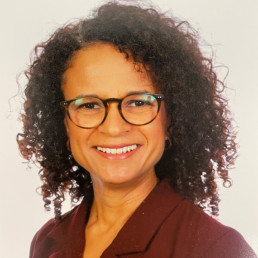
Written by Zahara Chowdhury
Zahara leads on equality, diversity and inclusive education in higher education. She has over a decade of experience in middle and senior positions in secondary education. Zahara is author of Creating Belonging in the Classroom: a Practical Guide to Having Brave and Difficult Conversations. She is founder of the School Should Be blog and podcast, a platform that amplifies diverse and current topics that impact secondary school classrooms, students and teachers.
It’s a Sunday morning—my favourite time of the week. Coffee in hand (with collagen and creatine, of course), I wander around the house while the kids are already asking for ice cream, Lego time, and the TV (yes, it’s only 8am). Usually, this part of the day comes with a little doom-scrolling, some memes, and a few oddly satisfying cleaning videos. But today feels different.
As I scroll, I’m pulled into two completely different worlds. On Instagram, images from Tommy Robinson’s Unite The Nation march flood my feed. The night before, I found myself double-checking the doors and windows—just in case. On LinkedIn, meanwhile, notifications are pinging from the brilliant Anti-Racism Conference, hosted by The Black Curriculum and Belonging Effect. Two events. Same time. Same city. Entirely different realities.
It’s hard to put into words what many of us—especially those who are ‘othered’—are carrying right now. When I speak to friends and colleagues, the feelings range from sadness and fear to resilience, resistance, and even indifference. For me, the world feels both tragic and surreal. I’m tired and frustrated. But I’m also hopeful.
One book that always grounds me is The Courage of Compassion by Robin Steinberg. It reminds us that courage means listening deeply, even to those who are different from us—or against us—and meeting that difference with compassion.
And yet, there’s an uncomfortable truth here. Too often, minoritised communities are expected to model empathy and moral “goodness,” as if our belonging depends on it. That expectation is unfair. Still, when I think about it, many of us would still choose courage, compassion, and calm clarity—because that’s who we are.
Yesterday’s conference reaffirmed why education matters so much in moments like this. Now more than ever, educators, schools, and communities need to unite and connect. This isn’t just about curriculum—it’s about safeguarding, wellbeing, and ensuring every student feels safe, included, and able to thrive.
How Schools Can Respond
Address the elephant in the room.
Some students and staff will feel anxious or upset about the march. Others may feel proud. Many won’t have noticed at all. But silence sends the wrong message. Even if only a few people are directly affected, everyone benefits when schools acknowledge what’s happening.
David Hermitt, former MAT CEO, once told me: teachers, at their core, want to do the right thing. They care about their students and about society. That care means opening the conversation.
You might:
- Share a short message with tutors, acknowledging the march and reiterating your school values—respect, inclusion, safety.
- Create space for discussion, whether through tutor time or optional drop-in sessions.
- Adapt to your context—no one knows your students better than you.
Keep parents in the loop
A simple message goes a long way. Reassure families that student safety remains your priority. Remind them of your school values. Invite them to share concerns—listening to parental voice is valuable, even if it feels daunting.
Harness parental representation
Cultural representation in schools makes a lasting difference. Pamela Aculey-Kosminsky recalls her mum coming into school in traditional Ghanaian dress, sharing food and heritage. My own mum did the same, later becoming a governor. These grassroots connections build community in powerful ways.
Connect with community leaders
Reach out to local faith leaders, organisers, and community champions. They can humanise difficult issues, counter misinformation, and build bridges between groups.
Invest in staff confidence
Staff need space to prepare for conversations around race, politics, and inclusion. It’s not always easy to make room for CPD, but it pays off in the long run—both for teachers and students.
Finding Hope in Difficult Times
The world feels overwhelming: the Unite The Nation march, the ongoing genocide in Gaza, violence in Sudan and Congo, the murder of Charlie Kirk, the sexual assault and attack on a Sikh woman told she “does not belong,” ICE raids, the memory of George Floyd and Sarah Everard. It feels dystopian.
But maybe hope isn’t naïve. On a global scale, things feel broken. But on a local scale, in our schools and communities, we still have power. We can create safe, compassionate spaces, even when the world feels anything but.
If you’re wondering where to start, here are a few resources that can help:
- https://amzn.eu/d/2Y6BY9e (The Diverse Curriculum)
- https://amzn.eu/d/adrYCr5 (Creating Belonging in the Classroom)
- https://amzn.eu/d/h35uFpN (what do you think?)
This is an ongoing conversation and work we need to do collaboratively. If you have any resources or best practice examples, please share them. If you have questions or need support, please reach out—we are here to support, advise, or simply to have a chat.
Fostering Hope and Resilience through Third-Wave Positive Psychology in Schools
Written by Melanie Gentles
Melanie Gentles is a Positive Psychology Practitioner and School Leader with a Master’s degree in Applied Positive Psychology from Buckinghamshire New University, UK. Her work bridges research and practice, focusing on how psychological resources such as hope can foster resilience, wellbeing and personal growth—particularly within Black communities and culturally diverse contexts.
As a co-author of the recent study Exploring the Experiences of Hope among Young Black British Female Adult Racial Justice Activists, published in the European Journal of Applied Positive Psychology, I’m deeply passionate about how our findings can illuminate the path forward for educational spaces. Our research explores hope not as a vague ideal, but as a powerful mechanism for recovery, action and growth. It captures the emotional complexity of activism and the vital role education plays in nurturing and sustaining hope.
This work resonates strongly with the principles of Third-Wave Positive Psychology (TWPP), which brings a more holistic, socially aware perspective to understanding human wellbeing. In this framework, schools are not just places of academic instruction but can become incubators of resilience, justice and community. They can offer students the tools to navigate the realities of racial discrimination with strength and purpose.
Looking Beyond the Individual to Understand Hope
Our study centered on the lived experiences of young Black British female racial justice activists and reflects the core values of TWPP. Unlike earlier approaches in positive psychology that often emphasised individual traits or isolated wellbeing, this third wave emphasises complexity. It recognises that wellbeing exists within cultural contexts, social systems and historical structures.
The hope we examined in our research did not emerge in spite of adversity, nor was it separate from feelings of pain, anger or exhaustion. Instead, it existed alongside them. These activists demonstrated a hope that was deeply rooted in a collective struggle. It was practical, forward-looking and responsive to the realities of racial injustice. Rather than denying hardship, it acknowledged it and used it as fuel for action.
This orientation toward action is a hallmark of TWPP. It moves beyond personal optimism to ask how individuals and communities can create meaningful change. In this way, our findings challenge schools to see hope not as a soft or sentimental emotion, but as a powerful, transformative force—especially for students facing systemic adversity.
Supporting Students Through a TWPP-Informed Lens
The implications of this work for schools are profound. When educators understand hope through the TWPP perspective, they gain new tools for supporting pupils who are grappling with the effects of racial discrimination. This begins with the recognition that healing and empowerment are inseparable from justice and agency.
Creating Space for Real Emotions
Students need to feel that their experiences are seen and taken seriously. TWPP urges us to validate young people’s emotional responses to discrimination. This includes acknowledging anger, grief and frustration, as well as celebrating their strength and defiance. By offering safe, respectful spaces for students to express themselves, schools help lay the groundwork for hope to take root.
Empowering Students to Act
Hope is more than a feeling—it’s a belief that change is possible and that one has the tools to pursue it. Schools can foster this belief by helping pupils recognise their own agency and develop strategies to navigate challenges. Some ways to do this include:
- Giving students meaningful opportunities to share their experiences and advocate for change within the school
- Teaching practical problem-solving and self-advocacy skills, including how to report discrimination and seek support
- Introducing students to role models—past and present—who have confronted injustice and inspired progress
Supporting Growth After Trauma
Our study also showed that hope can be a pathway to resilience and post-traumatic growth. For students who have experienced racism, recovery is not about erasing the trauma but about transforming it. Schools can play a vital role in this process by offering support that is both culturally aware and trauma informed. This includes mental health resources, mentorship and community connections that affirm students’ identities and experiences.
Reimagining Education as a Catalyst for Hope
Education, when approached intentionally, can be a powerful vehicle for hope. This means going beyond curriculum reform and embedding justice, dignity and belonging into the entire educational environment.
Developing Anti-Racist Curricula
Schools must commit to challenging dominant narratives and offering diverse, inclusive content. This helps students make sense of systemic injustice and strengthens their understanding of the broader world. An anti-racist curriculum celebrates marginalised voices and equips students with critical tools for analysis and empathy.
Building Advocacy Skills
Equipping pupils with the skills to advocate for themselves and their communities reinforces their sense of agency. This includes communication, critical thinking, civic engagement and organising skills. These are not extracurricular—they are essential for meaningful citizenship and long-term wellbeing.
Fostering a Sense of Belonging
Perhaps most crucially, schools must create environments where all students feel seen, valued and safe. Belonging is not a luxury; it is foundational for learning and thriving. When students know they matter, they are more likely to believe in their future and to act with purpose and confidence.
Hope as a Pathway to Justice and Flourishing
Through the lens of Third-Wave Positive Psychology, hope emerges as a deeply grounded and pragmatic force. It helps students navigate real challenges—not by ignoring injustice but by actively responding to it. Our study highlights how hope can support pupils in reclaiming power, building community and imagining new possibilities, even in the face of adversity.
In today’s schools, cultivating hope is not optional. It is a necessary part of helping all young people—especially those confronting systemic racism—find their voice, resilience and capacity for change.
Reference
Gentles, M. J., & Sims, C. (2025). Exploring the Experiences of Hope among Young Black British Female Adult Racial Justice Activists. European Journal of Applied Positive Psychology, 9(4).
What I’ve Learned About DEI and Education Since Founding Inclusion Labs

Written by Temi Akindele Barker
Temi Akindele Barker is the founder of Inclusion Labs, an organisation dedicated to amplifying every voice and co-creating a more inclusive future by using data as a foundation for change. Inclusion Labs partners with schools to gather, share, and activate insights from DEI surveys, driving meaningful and measurable change. Temi began her career as a consultant in Legal Executive Search, working in both the UK and internationally. She led senior teams serving US and UK law firms as well as financial institutions, helping local and multinational clients achieve their strategic goals.
Over the past few years, I’ve worked with schools across the UK (and beyond), collecting unfiltered experiences from every stakeholder – students, parents, staff, and leadership. We gather data across race/ethnicity, gender, sexual orientation, religion/belief, socio-economic status, disability, and more. No shortcuts. No hierarchy of oppression. It’s been eye-opening. Often heartbreaking. Occasionally enraging. Frequently hopeful. Always necessary.
Here’s some of what I’ve learned:
- Truth hurts. But it’s the only way forward
The flurry of statements after BLM and Everyone’s Invited felt urgent, but many faded fast. I’ve seen the sector swing from apathy to panic to action and back again. DEI work can’t solely be reactive. It must be rooted in truth, which is uncomfortable but essential. You can’t solve what you don’t understand. You can’t challenge what you don’t even know to question. You have to invite the conversations in (especially when uncomfortable) and create space to listen and learn. If you’re afraid to know the truth about your school’s culture, you’re not really being inclusive. - Passion > £££
Most school DEI leads have no budget. Many don’t even have ring-fenced time. What they do have in spades is passion and purpose. Some come from marginalised backgrounds, and most carry a personal “why.” It’s often a lonely, thankless task, yet they keep going. In our recent report, 20,000+ voices were gathered, supported by fewer than 30 DEI leads. Let that sink in. This work is fraught with differing opinions, often delivered unkindly. Yet these leads show up, time after time, with care and courage. They embody: it doesn’t have to happen to you for it to matter to you. - There’s joy and pain in having inclusion in your name
I named our organisation Inclusion Labs, and meant it. But it carries weight and expectations. “You call yourselves Inclusion Labs; you should have X as an option.” People assume your politics, your beliefs. Sometimes, you’re the only one in the room who sees the full picture. This work means accepting that you can never fully capture all the ways in which communities are diverse. And more importantly, it is not our job to decide whether someone’s identity is valid.
We are not here to judge or politicise – our role is to reflect back to schools who their community says they are right now. That comes with challenges. We might exclude someone by not including a category they feel represents them. Or offend someone else who believes listing too many categories is fundamentally wrong (“Why does sexual orientation have eight options?”)
But our job isn’t to gatekeep identity. It’s to hold space for both. And yes, that might mean someone gets offended. - Everyone must have a say. Even the ones you wish wouldn’t
DEI isn’t about echo chambers, so we don’t censor. We share every insight with schools – good, bad, ugly, bigoted. We’ve heard testimonies that are beautiful, funny, painful, hopeful, and some that are outright offensive. Everyone having a say means… everyone has a say. Some comments I’ll carry with me for life. Some made me laugh out loud (high five to primary students). Others made me cry with heartbreak. Doing this work has made me cry more in the past few years than in all the previous ones combined. I’ve said it once, I’ll say it again – doing this work, you see the best and worst of humanity. - Yes, there are (racist, homophobic, ableist…) teachers
Let’s just name it. Schools are a microcosm of society – they hold its brilliance and its bias. So yes, there are bigots in schools. It’s uncomfortable to admit. And yes, it’s disorienting to realise these individuals are tasked with teaching and supporting children. Sometimes you wonder: who among us is that person? But often the worst attitude comes from parents (who also choose to share views that are racist, homophobic, ableist…). Even inclusion surveys spark outrage – “Are you indoctrinating our children?” What they – in fact all of us – need to accept is that at any given moment, there might be one person that needs this work to be done – whether it’s for support, for correction, or for education (staff and parents included). - You will fail. You’re allowed to fail.
We need to stop demanding perfection. Schools aren’t DEI think tanks. They are made up of teachers trying to do their best with limited time, budget, and under incredible pressure. They will get it wrong. And that’s okay. We shouldn’t demand perfection – just passion and determination. Effort. Commitment. Willingness. That’s all we should ask. This work isn’t about perfection. It’s about progress. And mistakes will happen. We need to stop weaponising mistakes and start using them to fuel better choices. Because when a school gets it right, the wins feel that much better. - Same same, but different
Are the issues really that different from school to school? No – and yes. Same issues, different proportions. Every school has racism. Every school has sexism. Every school has kids struggling with identity, belonging, being “othered.” The difference lies in what schools do or have done with those truths. Our recent report highlighted the 15 most pressing themes from stakeholders themselves (what mattered most to them). Most schools will attempt to address some or all of them, but to varying degrees and success. - Sometimes you need to get out of the way
Those with lived experience: your voice matters. But anger (while valid) can create fear. And fear kills progress. If everyone’s too afraid to speak or try, if no one’s willing to step forward or take a risk, nothing changes and no one moves forward. Sometimes, we need to turn our pain into possibility and let clarity, not chaos, lead the way. - Sometimes it’s just a distraction tactic
Once at a school session, I told an anecdote about a maths teacher who asked if DEI work applied to them. They felt that certain subjects naturally fell under this area (English, History, PSHE) but they could not see this so clearly for their subject. I will not bore you with the details of our conversation, but needless to say, I shared this story to make the point that DEI is not reserved for English or PSHE. But I later heard that some maths teachers felt personally attacked, as they felt it positioned them as lacking empathy. A landmine I didn’t see coming. Dare I say, ridiculous to the fullest extent – and designed to be just that: a distraction. (And for clarification – maths teachers have empathy). - DEI awards are (mostly) nonsense
Let’s be honest: a lot of DEI awards are performative. Some are paid-for nonsense. I’ve had countless offers with no real understanding of our work – for a small fee, of course! If you want validation as a school? If you need to know who you can trust to do the work and do it well? Then word of mouth, every time.
Finally…
Inclusion is never about just schools. It’s always been about society. If we can embed inclusive values, attitudes and behaviours in our school communities – from 5-year-olds through to governors – then we stand a chance at changing the wider world. This sector has more work to do. So, continue listening. Continue telling the truth. Refuse to shut up. Keep calm and carry on.
Ten years of ‘No Outsiders’ assemblies: driving inclusion at a whole school level

Written by Andrew Moffat
Andrew Moffat has been teaching for 25 years and is currently PD Lead at Excelsior MAT. He is the author of “No Outsiders in our school: Teaching the Equality Act in Primary Schools” and “No Outsiders: everyone different, everyone welcome”. In 2017 Andrew was awarded a MBE for services to equality and diversity in education and in 2019 he was listed as a top ten finalist in the Varkey Foundation Global Teacher Prize.
No Outsiders assemblies are 10 years old this month! Hooray! This is amazing – it’s gone by in a flash and I can remember each one like it was only yesterday … all 693 of them and with over 300,000 views.
The point of a No Outsiders assembly is to make the ethos real. The No Outsiders scheme is based on 43 picture books with a progression of lesson plans written for children in Reception to Year 6. The picture books are great; I’m using some wonderful authors and classic reads in there. Some of the picture books are based on real life stories, but it’s still different to discussing a photo taken of a real person in the last week.
I realized in the early days of introducing the scheme in my school, that the lesson plans were not enough. You can’t build a whole school ethos on 6 lesson plans in each year group spread over the year; you need a weekly inclusion injection. Assemblies are the way to do this – everyone together discussing and driving the inclusive narrative. My aim was to find interesting current pictures to discuss with children and find ways to reach a ‘No Outsiders’ conclusion: “That’s why we say there are no outsiders here- everyone is welcome.” The assemblies became a key driver in our effort to develop the inclusive language and understanding. Everyone attended the weekly assemblies, and I encouraged staff to comment and relate to their own experiences in front of the children. Furthermore, as all the teachers were in the assembly, they would be referencing it throughout the week with their class.
I was worried when I first started doing the assemblies that we were summarising with the same sort of conclusion every week and I was reflecting whether children might get bored and start blandly replying, “No Outsiders” to every question, but it never happened. Even so, I started thinking about better questions and discussions; foster empathy skills and critical thinking; get a debate going with the children- ‘why does that person think that?’ and give them space to consider new and different ideas to their own.
Oracy changed everything. I remember attending an oracy inset at my school in about 2021 and it was a game changer. The oracy lead at the time suggested we worked together and used No Outsiders assemblies to teach oracy and it was a perfect solution to both our aims.
The aim in oracy is to teach children to speak; to use sentence stems and articulate their feelings; to agree and disagree. Disagreeing is ok as long as you disagree respectfully. This was key for No Outsiders because I could put in to practice this idea that different opinions were ok as long as you voiced them with respect and non-judgement. The ability to hold two points of view and balance opinions has always been central to a no outsiders ethos- I’m not teaching children what to think; rather I am teaching children to think. Now, using oracy, I had strategies and literally scripts (sentence stems) that I could use to encourage children to see other points of view and articulate those points of view in a reasoned manner, without necessarily agreeing with those points of view.
The first No Outsiders assembly was published on June 27th 2015. Looking back at my first attempt., it’s very different to the No Outsiders assemblies I am publishing today. It’s short, there are few questions and there is no attempt at recognising different points of view. Still, it’s a good first attempt and interesting to see how far we have come since June 2015.
Here it is (June 27th 2015): https://no-outsiders-assembly.blogspot.com/2015/06/assembly-picture-1-british-values.html
The picture shows a hand holding an old photo at chest height of an army squad. The focus is on the photo and the medals pinned to the jacket of the person holding up the photo. We can’t see their face.
Our activity:
Sword Beach, France Normandy veteran Alan King, from the Norwich and District NVA, holds a photo of himself (front second left) and his comrades from B Company taken on VE Day 1945, as dozens of British veterans made a cross-Channel pilgrimage to Normandy to honour the legacy of comrades killed in the D-Day landings 71 years ago. Photograph: Jonathan Brady/PA
- Who is this man?
- Why does he wear medals?
- Who do you think is in the photo he holds?
- What happened on June 6th 1944?
- Why does Alan King want this photo to be seen?
- What do you think are his feelings about that time?
The obvious change over the last 10 years is the development of questions. I would still use the photo today but if I were writing this assembly in 2025, the questioning would be completely different. Here’s a plan using the same picture but ten years on. The questions to ask the children use italics.
Our activity:
- What do you see in the picture? What do you think this story is about?
- There are two pictures here, how do you think they are related?
The photo shows Alan King who is a France Normandy Veteran.
- What is a Veteran?
- What does “France Normandy” mean – what famous event happened on the beaches at Normandy in WW2?
Alan holds a picture showing his comrades, taken on VE day in 1945. Alan is in the picture on the front row, second left.
- Why do you think Alan is holding this picture?
- What is VE day, what does it stand for and what happened on that day?
- We can’t see Alan’s face in the photo today; we just see his medals and the old Alan in the photo he holds. Why do you think the photographer chose to do this?
- Do you think the photographer should have sown Alan’s face? What are the arguments for and against this decision?
This photo of Alan was taken in 2015 as dozens of veterans crossed the English channel to Normandy to honour the legacy of comrades killed in the D-Day landings on June 6th 1944.
- What were the D-Day landings, what happened on that day?
- Why do you think veterans chose to make the crossing again 71 years later?
-
- On the day in 1944 how many people do you think were involved in the crossing? (there were 175,000 soldiers involved.) Why only dozens today?
- Why do we still remember that time when it was so long ago? Why not forget about it?
- What can we learn from Alan?
- Why is this about No Outsiders?
- Which British value is this about?
I love the questions about the focus of the image- why can’t we see Alan’s face? This is a great debate, and we can encourage pupils to think about and articulate both sides of the argument using sentence stems such as:
- “I would like to start by saying…”
- “I can see both sides: on the one hand, ___________, on the other…”
- “One argument might be…”
- “Building on…”
- “That’s an interesting point, have you thought about…”
Today I always end my assemblies with the two questions, “Why is this about No Outsiders?” and, “Which British value is this about?” to ground the discussion in our school and link it back to the experience of the children in school.
So, how should I finish this ten year anniversary blog post? It can only be to choose 5 of my favourite assemblies. It’s an impossible task to choose 5 out of over 500 so I will select 5 assemblies that reflected key events at the time. A key strength of these assemblies is I can write them quickly in response to any news event that I think schools need to talk about. I can respond right away, and schools can use the resource the next day.
1 – The death of Queen Elizabeth II
The photo shows thousands of people congregating outside Buckingham Palace.
I struggled at first to think of an angle that linked to No Outsiders and then when commentators kept referring to the stability and constant presence that the Queen represented in their lives, I realised my focus could be on how equality laws and attitudes have changed while she was on the throne and also how people from different backgrounds felt the same way about her. This assembly is by far the most viewed assembly of the last ten years. https://no-outsiders-assembly.blogspot.com/2022/09/queen-elizabeth-ii-1926-2022.html
I did meet the Queen in 2017 when I received a MBE. I had about one minute with her, and she asked what I did in school. I told her what No Outsiders was aiming for and how we taught it in schools – I got in the protected characteristics and British Values! I think she didn’t quite know what to say at first and my boyfriend in the audience who was watching said you could see her concentrating and thinking of a reply. Then she said, “Very important for all our futures, I should think.”
2 – England losing the Euros final 2024
The photo shows Gareth Southgate in a kit on a pitch cheering. The impression is he has just scored a goal.
The Euro final between England and Spain was held on a Sunday evening in July 2024 and I knew that the game was going to be the only topic of conversation in school the next day. It had to be the theme for the Monday morning assembly, but I didn’t want to be writing an assembly at 10:00 on a Sunday evening about the result. I needed an assembly that could be used in schools the next day regardless of the result.
I found a fantastic article on radio 4 about Gareth Southgate and a speech he gives to the players in the changing room before every match. In the speech, Gareth talks about what it means to be English and about Pride in the game. He also says this:
“I am the England men’s football team manager. I have a responsibility to the wider community to use my voice and so do the players. It’s their duty to interact with the public on matters such as equality, inclusivity, racial injustice, while using the power of their voices to help put debates on the table; to raise awareness and educate.”
A Head teacher contacted me after using this assembly to say it visibly lifted the children on Monday morning after they came in despondent and disappointed because of the result. That was exactly the response I hope for. This assembly became the third most viewed of the ten years.
3 – General elections
The photo shows Prime Minister Theresa May standing alongside Lord Bucket Head at the count in her constituency for the general election.
General elections give us a wonderful opportunity to talk about British values and this picture from 2017 says it all. It’s a perfect vehicle to get children discussing democracy and how it works.
The assembly also referenced Mr Fish Finger who stood in Westmorland and Lonsdale. Questions to consider included:
- 37,469 more people voted for Theresa May than voted for Lord Buckethead; why?
- Do you think Lord Buckethead and Mr Fishfinger wanted to win?
- Why do you think Mr Fishfinger and Lord Buckethead stood for election?
- Some people voted for either Mr Fishfinger or Lord Buckethead. Did their votes count? Why?
- Should Lord Buckethead and Mr Fishfinger be allowed to take part in elections? What would happen if they won?
- What does this story demonstrate about democracy in the UK?
- Why is this about No Outsiders?
4 – Fish and Chips
The photo shows Gary Lineker in a cafe tucking in to a plate of fish and chips.
When the horrific violence against refugees erupted last summer in Southport and across the country, I published assemblies for schools to use when they returned in September. In the autumn term 2024 I was invited by a school in Southport to deliver No Outsiders training to their staff. Five other local schools joined the training and the local police also came.
This assembly was a direct response to any voices arguing refugees are not welcome, by making clear how England has benefitted from refugees. In a short video, Gary Lineker celebrates National Fish and Chip day, by asking where all the food on his plate originates.
I recently asked the Head Teacher of the school where I delivered training to reflect on the impact of that training a year later and here is his response:
“The No Outsiders programme has had a huge impact at our school. The assemblies are fresh, relevant and provide wonderful opportunities for interactive assemblies that cover vital issues. In addition, the units of work for classrooms provide a depth of discussion that has really improved provision at our school. The programme has been embraced by the whole school community and is one of the most positive things we have undertaken in the last few years.”
5 – Start of a school year
The photo shows a sky dive formation involving 113 people making a flower shape in the sky.
The most re-used assembly of the last ten years has placed this one as the second most viewed overall. It’s perfect for the first assembly of a new school year. I find small ways to update it every time I repost, but the essence remains the same. It uses a photo of a world record flower formation skydive performed by an international crew and asks what is the impact when people of different nationality, gender, religion etc work together. Why don’t all the black sky divers stay together, and the white sky divers stay together? The flower formation took 13 attempts to get right; why didn’t they give up after 5?
There’s also a lone figure top left who is not part of the formation – who are they, what are they doing? What do you think people are shouting to them? My most recent update included questions about how the photo was taken- from what angle and form where? And how long would the divers have to make the formation? What can we learn from them?
https://ks1no-outsiders-assembly.blogspot.com/2024/09/start-of-school-year.html
I want to say thank you to anyone who has used a No Outsiders assembly over the last ten years and also to anyone who has got in touch to give feedback. I can’t see a time when I won’t be writing and publishing these assemblies; I think I’ll be writing them long after I am retired! The assemblies still give me joy both to write and deliver, and when things get challenging in the world outside, they give me hope. These assemblies are my way of saying “It’s going to be ok – we can get through this together. Together we are strong.”
Here’s to the next ten years. Cheers!
Signposting:
No Outsiders assemblies are published weekly free to access on the No Outsiders website www.no-outsiders.com
Andrew Moffat also sends assemblies in powerpoint form to schools on a mailing list each week. To join the free mailing list and receive the power points, contact Andrew on his school email a.moffat@excelsiormat.org
Diversifying School Lettings to Build a Connected Community

Written by School Space
School Space is a social enterprise and school lettings provider that is on a mission to build thriving schools at the centre of thriving communities. They help schools generate vital additional funds through lettings while strengthening their role as diverse and inclusive community hubs.
When people think of school lettings, they often picture a sports hall hosting a local badminton club or football teams using the pitches. However, schools can serve as much more than just sports venues—they have the potential to become vibrant community hubs that foster inclusion and accessibility for all.
Opening school spaces for community use is a powerful way to support local initiatives, celebrate diversity, and allow members of your surrounding community to build meaningful social connections.
With their accessible and versatile facilities, schools are uniquely positioned to accommodate a broad range of activities that reflect the needs of their local area.
The main question is—what’s missing from your current lettings programme?
Here are some ideas to get you started:
Challenging Gender Stereotypes and Access to Sport
Initiatives like Pro2Pro Academy, which creates opportunities for young girls to get into football, are a great example of how schools can use their facilities to break down barriers in traditionally male-dominated sports. But inclusivity in sports goes beyond football. Consider hosting women’s self-defence classes, male netball teams, or LGBTQ+ friendly fitness sessions. Partnering with existing hirers or reaching out to local organisations promoting equal engagement in sports can help broaden participation.
Supporting Local Parents and Caregivers
Lettings can be a lifeline for new parents seeking support and connection. Schools can offer space for pre and postnatal classes, parent-and-toddler groups, and early learning sessions, providing valuable social interaction for both children and caregivers. Facilitating these gatherings can help reduce social isolation and build a strong support network.
Celebrating Cultural Identity and Traditions
Cultural and faith-based groups are essential to a thriving, diverse community. Schools can ensure their lettings reflect and embrace the richness of their local area by welcoming groups from different cultural backgrounds. This might mean hosting a Pentecostal Church for Sunday services, providing classrooms for an Arabic School, or offering an activity studio for Bollywood dance classes. Likewise, a Turkish Language School running weekend sessions or a Jewish community group hosting cultural events can help ensure that local traditions, languages, and heritage are celebrated within the school environment so that all community members feel seen, valued, and represented.
Engaging with Initiatives Supporting Disadvantaged Groups
Schools can support vulnerable young people by offering space for skills development, educational opportunities, and social programs. This could include partnering with charities for mentorship, job readiness workshops, or creative activities that encourage self-expression. Ensuring all young people have access to resources that enhance their confidence, independence, and future prospects is a meaningful way for schools to make a lasting impact.
Generating Opportunities for All Age Groups
Finally, community lettings should extend beyond students and cater to people of all ages. Schools can become hubs for lifelong learning and hobbies by offering activities that cater to different life stages and interests. Schools should actively seek to diversify their lettings portfolio so that the whole community can benefit from the facilities on offer.
To create a more inclusive and engaging facility hire service, consider these practical steps:
- Establish a fair and transparent booking process to ensure equal access.
- Ensure spaces are wheelchair-friendly with flexible layouts to meet varied needs.
- Offer affordable pricing and charity discounts to encourage broader participation.
- Work with hirers to provide free or discounted sessions for low-income families.
- Make rental agreements clear and inclusive.
- Train staff in cultural competency to ensure all visitors feel welcome.
- Vet all hirers to align with inclusivity principles and British values.
- Promote available spaces through diverse channels, such as social media, local forums, print media, and displaying on-site banners.
Schools have the potential to do more than just provide spaces for activities—they can boost engagement, break down barriers, and create equal opportunities for all. By embracing a broader approach to lettings, they can strengthen community ties and drive meaningful social change.
At School Space, we’re proud to support schools in this journey—helping them generate essential funds to reinvest in education and advance their DEI initiatives. Discover School Space’s guide to marketing your facilities and take the first step toward attracting more diverse community partnerships.