
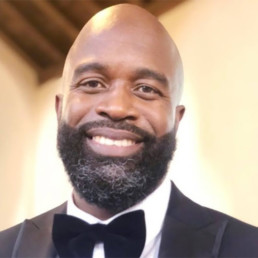
Written by Dwight Weir
Dwight is a Deputy Headteacher and Life Coach. He is also an inspector for British Schools Overseas. Dwight has a passion for coaching and leadership development.
Walk into many schools and you will see student leaders everywhere. Head students. Prefects. Ambassadors. School council representatives. The question is: who gets to lead?
Too often, student leadership reflects the same patterns we see elsewhere in society. The confident voices are heard. The popular students are selected. The pupils who already fit the image of a “leader” are given the opportunities. Representation starts here.
If we are serious about Diversity, Equity, Inclusion and Belonging (DEIB), we must rethink how we identify, develop and celebrate student leaders.
Leadership Is Not a Look
Many schools unintentionally reward visibility over potential. Students who are articulate, academically successful or naturally outgoing are often first in line for leadership opportunities. Meanwhile, quieter pupils, students with SEND, disadvantaged learners, multilingual pupils and those from underrepresented backgrounds can be overlooked.
The result?
Student leadership becomes exclusive rather than inclusive.
A DEIB approach asks a different question: Whose leadership are we missing?
Expanding the Definition of Leadership
Leadership is more than standing on a stage or speaking into a microphone.
Leadership can be:
- The student who welcomes a new classmate.
- The pupil who advocates for accessibility.
- The young person who challenges injustice.
- The learner who quietly supports others every day.
- The student who demonstrates resilience in the face of adversity.
When schools broaden their definition of leadership, more students can see themselves reflected in leadership roles. And when students can see it, they can believe it is possible.
Equity Over Equality
Giving every student the same opportunity is not always enough. Some students need encouragement, coaching, mentoring or targeted development before they feel confident enough to step forward. An equitable approach recognises that leadership pathways should not simply be open; they should be accessible.
This might mean:
- Creating leadership programmes for underrepresented groups.
- Actively encouraging applications from students who would not normally put themselves forward.
- Providing coaching and mentoring.
- Removing unnecessary barriers to participation.
Equity is not lowering standards. It is widening access.
Representation Matters
Students are constantly scanning their environment for signals.
- Who gets chosen?
- Who gets listened to?
- Who gets celebrated?
- Who gets promoted?
When leadership teams reflect the diversity of the student population, powerful messages are sent. Students begin to see that leadership is not reserved for a particular gender, ethnicity, social background, ability level or personality type.
They see possibility…They see belonging…They see themselves…
Moving Beyond Tokenism
Representation alone is not enough. A diverse student leadership team without influence changes very little. Student leaders must have genuine opportunities to shape decisions, influence policy and improve school culture. Their voices should not simply be heard. They should be acted upon.
The most effective schools move from student voice to student influence.
The Leadership Legacy
Student leadership is not just about organising events or leading assemblies. It is about preparing young people for the world they will inherit. When schools develop leadership through a DEIB lens, they cultivate empathy, courage, advocacy, collaboration and social responsibility. They create young people who understand that leadership is not about power over others. It is about creating opportunities for others. Because representation does not begin in the boardroom. It does not begin in parliament. It does not begin in the workplace.
Representation starts here.
In our classrooms. In our corridors. In our student leadership programmes.
And in the belief that every young person has the potential to lead.