Written by Yvonne Eba
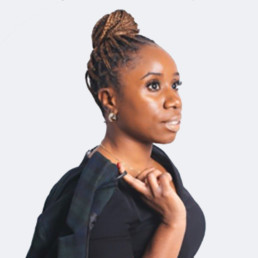
Yvonne Eba is a current head of English in a Catholic school and PhD student who is studying Education. She is currently writing a thesis based around race, racism, masculinity within the student experiences of British Nigerian men. Within her role as head of department she has transformed the curriculum by intentionally adding more diverse texts and poems. She is focused on building a rich, ambitious and holistic curriculum in a school which is predominantly black. She has dedicated the last decade developing young people through workshops, fellowships, tuition and mentoring.
At the tender age of 15 I was uniquely passionate about being able to teach kids life transforming lessons within the confinements of a classroom or lecture hall. I found it odd that kids weren’t being taught the purpose behind their subject or life long learning skills attached. i.e Why are kids not taught in Maths the art of saving, investment and tithing or taught in English how to write and compose an effective CV. This passion consistently grew and when I started my company at 21 ( shout out to Life Creations) we created sessions and packages which did exactly that – taught kids things they could use outside the classroom.
But this wasn’t enough.
As I became a Head of English I finally saw this dream come to life again but I had no idea how much work, brain power, focus and buy-in from a team it would take to actually manifest it. I have been watching and reading numerous articles by Dena Eden ( Director of Secondary English curriculum) who states the importance of consistency in curriculum starts with ” texts studied, sequencing of units and lessons and the pace of lessons”
So flash back with me and picture this – I was in a new school, new role and I had heaps of ambition and zeal to:
” transform the lives of young people through the power of challenging , ambitious texts and units which were personal to them“.
I was passionate about:
” ensuring ideas around marginalising black people or the discussions around who can say the N word or not when reading out an extract were no longer normalised or championed through texts like Of Mice and Men. Which were branded outdated yet needed?”
and I wanted students
“to see and read authors and poets from diverse backgrounds within the context of: race, gender and class”
whilst
“still getting them GCSE ready and abiding by the demands of the national curriculum”.
It’s been a journey, tussle and challenging but with some giants and shakers on the team and the never-ending grace of God we have made some shifts and changes. The last HOD I spoke to reassured me that her curriculum changes and the seamless nature of its delivery took five years inclusive of assessments and consistency.
It’s important on this journey that you pace yourself and get feedback from your team and students on how they feel it is going.
Here’s five things I have learnt so far :
- Make the curriculum ambitious: it is absolutely imperative regardless of the demographics of students you have that the texts you choose challenge and enrich them. This can be intentionally captured through the tier of language used and the content within the chosen text/ unit and the big ideas and questions which are evoked.
- Make it accessible for your team : getting a buy in isn’t always the easiest thing and resistance is inevitable at first. But don’t take it personal; as human beings we are creatures of habit and it’s a natural reaction for people to feel underprepared or scared of change. However ensuring the lessons provided along with the new units, week by week plans and DO NOWs are of a high quality will often make the process swifter for your team. It is important that there is unification of moral purpose as we teach according to our experience, beliefs and morals which could often add to the complexity of running a team. So providing strategic resources would help each teacher feel confident to approach and teach the new text. This is your time as a HOD to overcommunicate, overcommunicate and overcommunicate again. Also be transparent with your team that this is NEW to you too!
- Make purposeful assessments : it is important that when building your curriculum you are intentional about what you are testing the students on during your lessons and at the end of the unit. It is imperative that students are being tested on the skills and knowledge you have taught them throughout the set time. i.e If you have been teaching them Frankenstein (play version) and analysing the purpose of language in key extracts the end of unit test will not be an imaginative writing piece from the scientist if these skills haven’t been taught. I always think about what we are assessing the students and how this is preparing them for their greatest assessments in y11 which are their GCSEs. From year 7 we look at language analysis which will help them in the Language Papers and analysis of extracts whilst providing them questions in an exam style layout which helps them for literature
- Make it personal : don’t just follow trends ensure your curriculum represents the cohort of your kids you are teaching. Ask yourself genuine questions : can they relate to these characters? Is this personal to them? Will they feel represented? Will they be inspired? What type of learners would you like them to leave as?
- Make it literacy and oracy inclusive : ensure you provide space for students to discuss their thoughts and demonstrate their understanding of the new topic at hand. It is good to address misconceptions consistently during DO NOW tasks, live marking and through plenaries however it is even better when the kids can articulate their understanding or lack of it themselves
I still have a long way to go but my word for the year to my team was this will become “seamless” in fact the word for the year is “seamless” ( by fire and force!).
I have taken out a lot of texts, bought new texts, returned some texts, changed some units and its content, revised, redrafted, dipped into the budget, took advice, listened a lot, spoke a lot, asked a lot, vented a lot and finally realised this isn’t about what I want to teach them its about what is best FOR their academic development.
So I am in an honourable position to be able to be part of history – I am currently speaking with other HODs on ways they can get the best English curriculum for their kids.
Do connect with me to see our latest curriculum map and to discuss ways to help shape English together!