
Written by Marie Manley
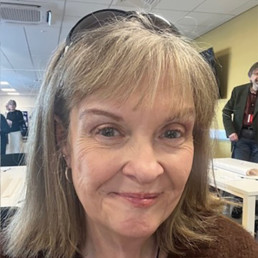
Marie Manley works for SEE Change Happens. She is an advocate for families and friends of Transgender individuals. She loves talking to customers about their DEIB requirements, explaining how SEE Change Happen can enhance organisations with all things DEIB-related. She comes from an administration and compliance background, she has strong analytical thinking, a love of processes, and a strict attention to detail.
Allyship is something I used to think of as a value – something you believe in. But over time, and through personal experience, I’ve come to understand that allyship is really about what you do. It’s how you show up, how you listen, and how you stand alongside others, especially when it matters most.
For me, this became deeply personal when my husband became my wife. That journey shifted not only how I see the world, but how I experience it. It opened my eyes to the quiet, everyday moments where allyship is either present or absent – in conversations, in systems, and in relationships. It also helped me recognise just how powerful true allies can be.
What I’ve learned is that allyship isn’t confined to one space. It travels with us – through education, into our workplaces, and into our closest relationships. And in each of those spaces, we have the opportunity to both find allies and become one.
Allyship in Education: Where It Often Begins
Education is often where we first encounter difference – different identities, perspectives, and lived experiences. It’s also where many of our beliefs about fairness and belonging start to form.
I’ve seen how powerful it can be when educators create spaces where people feel safe to be themselves. Allyship in education isn’t just about policies or statements; it’s about the everyday behaviours. It’s the teacher who challenges exclusion. The student who speaks up when something doesn’t feel right. The environment that makes space for everyone to be heard.
Finding allies in education often starts with noticing those small but important actions. Who is curious rather than judgmental? Who is willing to challenge bias? Who makes room for others?
But we can’t leave allyship to chance. It needs to be nurtured intentionally. When inclusion is embedded into how education works – from curriculum to culture – allyship becomes part of the norm, not the exception.
Allyship at Work: Moving Beyond Good Intentions
In the workplace, allyship becomes even more visible – and, if I’m honest, sometimes more challenging.
Many organisations talk about diversity and inclusion, but without active allyship, those words can feel hollow. Allyship at work is about what happens in the moments that aren’t scripted – who gets heard in meetings, who is advocated for, who is challenged when something isn’t fair.
Through my own work, I’ve seen that allies are not always the loudest voices. Often, they are the most consistent. They are the people who quietly but firmly stand for fairness, who follow through, and who are willing to learn and adapt.
When my own family experience changed, I noticed these allies more clearly. The colleague who checked in. The leader who made space. The friend who didn’t assume but asked. Those moments mattered more than any formal policy ever could.
That said, organisations do have a responsibility. Allyship shouldn’t rely on individuals alone. It needs to be supported by leadership, embedded into systems, and reinforced through accountability. When that happens, allyship becomes part of how work gets done – not an extra.
Allyship in Family and Friendships: Where It Gets Real
If I’m honest, the most complex space for allyship is often our personal lives.
Family and friendships are where we feel safest – but they are also where bias can go unchallenged. When my husband became my wife, I saw this firsthand.
SEE Change Happen – Fireside chat is an example of finding Allyship:
https://seechangehappen.co.uk/speaking-library/the-making-of-me-joanne-maries-story/
Some people leaned in with openness, curiosity, and love. Others struggled, sometimes without realising the impact of their words or assumptions.
Allyship in these spaces isn’t about having all the right answers. It’s about being willing. Willing to listen. Willing to learn. Willing to say, “I might not fully understand, but I’m here.”
It’s also about courage. Speaking up when something doesn’t sit right. Gently challenging language or behaviour. Choosing connection over comfort.
Resources from organisations like Stonewall (https://www.stonewall.org.uk/) can be incredibly helpful in guiding those first steps, especially for people who want to be supportive but aren’t sure how.
What I’ve come to appreciate is that allies in our personal lives don’t need to be perfect. They just need to be present, open, and committed to growing.
Growing Allyship – Together
Across all these spaces, one thing stands out to me: allyship is deeply human. It’s built on trust, consistency, and care.
It’s not about getting everything right. It’s about being willing to try, to learn, and to keep showing up.
If we want to grow allyship, we need to create environments where people feel safe to ask questions, to reflect, and to be challenged. We need to recognise and value inclusive behaviours. And we need to hold ourselves – and each other – accountable.
This is something I’m incredibly passionate about in my work, and it’s why organisations like SEE Change Happen (https://seechangehappen.co.uk/) exist – to support people and organisations in turning intention into meaningful, lasting change.
A Final Reflection
Allyship has become something very real to me. It’s not theoretical. It’s not abstract. It’s personal, and it’s ongoing.
It shows up in the colleague who creates space. The friend who listens. The family member who is willing to learn. And sometimes, it starts with us – choosing to be that person for someone else.
So, I often come back to a simple question: How am I showing up for others today?
Because when we ask that – and act on it – allyship stops being something we talk about and becomes something we live.